

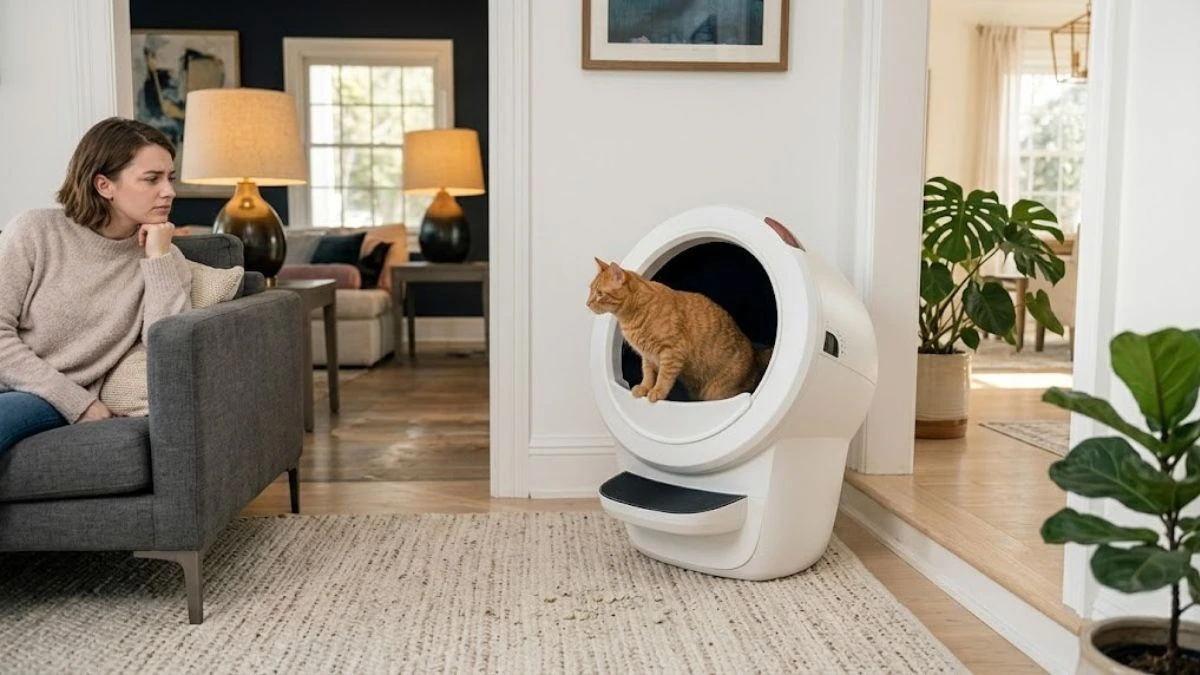
7 Automatic Litter Box Mistakes Most Cat Owners Make
Are you a cat owner wondering if you’re unknowingly causing problems with your self-cleaning setup? Many people invest in automatic litter boxes expecting less odor, easier cleaning, and less daily maintenance — only to end up dealing with frustrating issues like strong smells, litter tracking, sensor problems, or even cats refusing to use the box altogether.
One of the biggest mistakes owners make is assuming the machine itself is the problem. In reality, small daily errors are usually what turn a convenient setup into a stressful experience for both cats and owners.
Understanding these common mistakes is essential if you want your automatic setup to work properly long-term. Cats are extremely sensitive to noise, cleanliness, location, and routine changes, and even small problems can quickly lead to stress, avoidance behavior, or hygiene issues inside the home.
The good news is that most of these problems are completely preventable. By avoiding a few common mistakes, you can create a cleaner, quieter, and more comfortable environment while helping your automatic litter box perform the way it was designed to.
Key Takeaways
- Using the wrong litter can cause jams, sticky residue, and poor cleaning performance.
- Overfilling the litter box may strain the motor and interfere with sensor accuracy.
- Poor placement can make cats feel unsafe and avoid the box entirely.
- Ignoring odor buildup often leads to stronger smells and hygiene problems over time.
- Dirty sensors and moving parts can trigger cleaning failures and mechanical issues.
- Introducing the box too quickly may create fear, anxiety, and long-term avoidance behavior.
- Choosing the wrong size for multi-cat homes can increase stress, odor, and territorial problems.
Choosing the Wrong Litter and Overfilling the Box
Your cat’s comfort — and the overall performance of your self-cleaning system — depends heavily on choosing the right litter. One of the most common automatic litter box mistakes owners make is using litter that the machine was never designed to handle. Lightweight pellets, crystal litter, or low-quality formulas can easily interfere with sensors, clog the rake, or create sticky buildup inside the unit.
Many owners blame the machine when the real issue is actually the litter itself.
Most automatic litter boxes perform best with high-quality clumping clay litter because it forms firmer clumps that move through the cleaning cycle more efficiently. Using the wrong type can lead to jams, poor odor control, messy residue, and cleaning cycles that stop working properly over time.
Many cleaning problems actually begin with litter compatibility issues, especially when owners use lightweight crystals or low-quality formulas that interfere with clumping performance. Choosing the best litter for automatic litter boxes can prevent jams, sticky residue, and odor buildup before they become long-term problems.
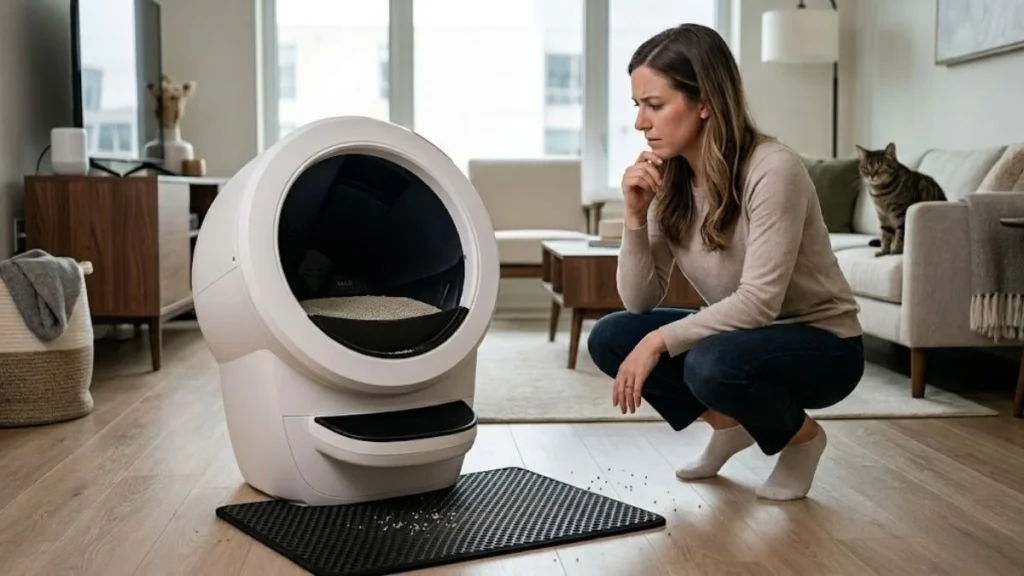
Another major mistake is overfilling the box beyond the recommended fill line. While many owners think adding extra litter reduces cleaning frequency, it often creates the opposite problem. Excess litter weight can strain the motor, slow down the cleaning cycle, interfere with sensor accuracy, and increase the risk of mechanical failure.
Maintaining the correct litter level is also essential for keeping the interior clean. When the box is overloaded, sticky waste residue can remain attached to the liner after each cycle, eventually leading to stronger odors and hygiene issues inside the home.
Many owners also ignore the manufacturer’s recommended litter depth, which can create inconsistent cleaning cycles and poor waste separation. In smaller apartments or busy multi-cat homes, these problems usually become noticeable much faster because the system is working harder throughout the day.
- Using the wrong litter can cause jams, sticky buildup, and poor cleaning performance.
- Clumping clay litter is usually the safest and most compatible option.
- Overfilling the litter box may strain the motor and reduce sensor accuracy.
- Ignoring fill lines can interfere with proper cleaning cycles.
- Choosing the right litter helps prevent odor buildup and long-term mechanical issues.
Poor Placement: Why Environment Matters
Have you considered how the placement of your cat’s setup impacts their comfort and behavior? The location of an automatic litter box plays a much bigger role than many owners realize. Cats naturally prefer quiet, predictable, and low-stress environments, and placing the box in the wrong area can quickly lead to avoidance behavior, anxiety, and inconsistent litter box use.
Many owners place automatic litter boxes in busy hallways, laundry rooms, or near loud appliances without realizing how stressful constant movement and noise can feel for cats. In many homes, this alone is enough to make a cat stop using the box consistently.
Proper automatic litter box placement often makes a bigger difference than the machine itself.
Cats need a space where they feel safe, calm, and protected while using the litter box. Loud environments — especially areas near washing machines, dryers, televisions, or heavily used hallways — can interrupt your cat’s sense of security and create long-term stress around the cleaning cycle.
In smaller apartments, placement becomes even more important because noise and movement are harder to avoid. Many owners try hiding the litter box in cramped corners or tight closets, but limited space can make the setup uncomfortable, especially for larger or older cats.
In multi-cat households, poor placement can also create territorial tension between cats. If one cat feels trapped or cornered while using the litter box, avoidance issues can appear very quickly.
Keeping the litter box in a quiet, accessible, and low-traffic area helps reduce stress, encourages consistent use, and improves your cat’s overall comfort with the automatic system.
- Busy or noisy locations can increase stress and avoidance behavior.
- Laundry rooms and hallways are often poor placement choices.
- Small apartments require extra attention to noise and accessibility.
- Multi-cat homes may experience territorial problems with poor placement.
- Quiet, accessible spaces help cats feel safer using automatic litter boxes.
Ignoring Odor Buildup and Maintenance Practices
Did you know that poor maintenance habits are one of the biggest reasons automatic litter boxes start developing strong odors over time? Many owners expect self-cleaning systems to completely eliminate smells, but without proper upkeep, even the best units can quickly become unpleasant for both cats and humans.
Keeping a clean environment is essential for your cat’s comfort, hygiene, and long-term health. Regular upkeep of your self-cleaning litter box helps prevent odor buildup, sticky residue, bacteria accumulation, and poor cleaning performance before they become serious problems.
One of the most common frustrations owners face is believing automatic systems are completely maintenance-free. In reality, odor problems usually appear when deeper cleaning routines are ignored for too long, especially in multi-cat homes where waste accumulates much faster.
Establishing a routine for daily checks and regular deep cleaning can dramatically improve both odor control and overall system performance. Even models with large waste compartments still require consistent emptying to prevent smells from spreading throughout the home.
Many owners also forget that odor buildup often happens gradually. Because the cleaning cycle removes waste automatically, small hygiene issues can go unnoticed until the smell becomes much harder to control.
Regular deep cleaning is equally important. Over time, residue can build up inside the liner, waste drawer, sensors, and moving parts. Without proper maintenance, these hidden areas often become the main source of persistent odor problems.
If strong smells continue even after regular cleaning, these automatic litter box odor fixes can help identify hidden causes many cat owners overlook.
Another common mistake is waiting too long to replace filters or clean the waste drawer. Once odor becomes deeply trapped inside the system, basic cleaning routines may no longer be enough to fully eliminate the smell.
- Ignoring maintenance routines often leads to stronger odors and hygiene problems.
- Daily inspections help prevent waste buildup and cleaning failures.
- Deep cleaning the system regularly helps reduce bacteria and sticky residue.
- Dirty liners, filters, and waste drawers are common hidden odor sources.
- Consistent maintenance routines help automatic litter boxes perform more effectively long-term.
Failing to Clean Sensors and Maintain Moving Parts

Do you realize that neglecting sensors and moving parts can seriously affect how well your automatic litter box performs? Many owners focus only on removing waste while forgetting that the internal components also require regular attention to keep the system working properly.
When sensors become covered with dust, litter particles, or sticky residue, the machine may start triggering false alerts, interrupted cleaning cycles, or detection failures. In many cases, owners think the unit is defective when the real problem is simply poor maintenance.
Regular sensor cleaning is essential for maintaining accurate detection, smoother cleaning cycles, and reliable performance. Even small amounts of debris can interfere with the system’s ability to recognize when your cat enters or leaves the box.
Moving parts also require consistent maintenance. Over time, litter dust and waste residue can build up around the rake, liner, rotating mechanisms, or waste drawer. If ignored for too long, this buildup may cause mechanical jams, louder cleaning cycles, motor strain, and reduced cleaning performance.
Many owners overlook these problems because they develop gradually. The system may continue functioning for weeks before small issues turn into more serious failures that affect both hygiene and reliability.
Keeping sensors clean with a dry cloth or soft brush helps prevent detection problems and unnecessary interruptions during the cleaning cycle. It’s also important to inspect moving parts regularly for trapped litter, sticky residue, or signs of excessive wear.
Proper care of the system not only improves daily performance but can also help extend the overall lifespan of the machine. In many homes, simple maintenance habits are what separate a reliable automatic litter box from one that constantly develops problems.
If your unit starts missing cleaning cycles, stopping unexpectedly, or struggling with waste removal, deeper maintenance may already be necessary.
- Dirty sensors can trigger false alerts and inconsistent cleaning cycles.
- Litter dust and residue often build up around moving components over time.
- Ignoring moving parts may lead to jams, motor strain, and louder operation.
- Regular inspections help prevent long-term mechanical problems.
- Simple maintenance routines can significantly improve performance and reliability.
Introducing the Litter Box Too Quickly
Could rushing your cat into a new cleaning system create unnecessary stress and long-term avoidance behavior? Transitioning to an automatic litter box requires patience, consistency, and gradual adaptation, especially for cats that are sensitive to noise or environmental changes.
Many owners expect their cat to immediately accept the new system, but sudden changes in movement, sound, and cleaning cycles can feel intimidating at first. If introduced too quickly, some cats may completely avoid the litter box or develop anxiety around using it.
This is one of the biggest reasons cats suddenly stop using automatic litter boxes.
A slower transition process usually creates far better long-term results, especially for older cats, anxious cats, or pets that dislike sudden changes. Giving your cat time to observe the machine before fully using it helps reduce fear and creates a more positive experience.
Keeping the old litter box nearby during the first several days can make the adjustment process feel much safer and more familiar. Many cats prefer slowly exploring the new setup at their own pace instead of being forced into an immediate transition.
Some owners also disable the automatic cleaning cycle temporarily during the first week. This helps prevent the machine’s movement or motor noise from startling the cat during the adjustment period.
Avoid forcing your cat into the new setup or placing them directly inside the machine. Negative experiences during the first introduction can create long-term stress, fear, and litter box avoidance problems.
Managing your cat’s stress levels is essential throughout the transition. Positive reinforcement, calm environments, and patience usually lead to much better long-term success with automatic systems.
Following a step-by-step guide on how to introduce a cat to an automatic litter box can make the entire transition process smoother and far less stressful for both cats and owners.
- Fast transitions often create fear and avoidance behavior.
- Motor noise and sudden movement can overwhelm sensitive cats.
- Keeping the old litter box nearby helps cats adjust more comfortably.
- Positive reinforcement and patience improve long-term adaptation.
- Gradual introductions usually lead to better long-term success.
Understanding Automatic Litter Box Mistakes and Their Impact

Could your daily litter box habits be affecting your cat’s comfort, behavior, and long-term health without you even realizing it? Many owners focus only on convenience while overlooking the hidden problems that poor maintenance, bad placement, or incorrect setup choices can create over time.
One of the biggest risks with automatic litter boxes is that owners may stop paying close attention to their cat’s waste habits and health signals. Because the system removes waste automatically, small warning signs like blood, unusual stool consistency, stronger odors, or changes in bathroom frequency can become much easier to miss.
Many owners also ignore early warning signs when the machine starts behaving differently. If your automatic litter box begins missing cleaning cycles, stopping unexpectedly, or struggling with waste removal, deeper maintenance problems may already be developing inside the system.
Ignoring these issues for too long can create both hygiene problems and behavioral issues. Cats are extremely sensitive to dirty environments, loud noises, and sudden routine changes. Once stress builds up around the litter box, some cats may begin avoiding it completely.
Proper maintenance is not just about keeping the machine clean — it’s also about protecting your cat’s overall well-being, comfort, and long-term health. Even advanced self-cleaning systems still require regular inspections, deep cleaning, and consistent monitoring to remain safe and effective long-term.
Many modern systems include safety sensors and automated cleaning features, but no automatic litter box is completely maintenance-free. Owners who regularly inspect the unit, monitor their cat’s behavior, and stay consistent with cleaning routines usually experience far fewer long-term problems.
Understanding these common automatic litter box mistakes helps create a cleaner home, a healthier environment, and a far less stressful experience for both cats and owners.
- Hidden health issues can become harder to notice with fully automatic cleaning systems.
- Poor maintenance habits often lead to odor buildup and behavioral problems.
- Ignoring warning signs may increase the risk of mechanical failures over time.
- Cats are highly sensitive to stress, noise, and dirty litter environments.
- Regular inspections and cleaning routines help improve long-term reliability and safety.
Choosing the Wrong Size for Multi-Cat Households
Could the size of your automatic litter box be affecting your cats’ comfort, stress levels, and willingness to use it? Many owners underestimate how important space becomes in multi-cat homes, especially when several cats are sharing the same cleaning system every day.
A litter box that feels too small, cramped, or difficult to enter can quickly create stress and territorial behavior between cats. In many households, this leads to avoidance issues, stronger odors, and cleaning cycles that struggle to keep up with constant daily use.
Assessing both your available space and your cats’ size is essential before choosing a unit. Larger cats often need more interior room, easier entry access, and additional turning space to feel comfortable using an automatic litter box consistently.
In busy multi-cat homes, limited interior space can also increase the likelihood of territorial tension and hygiene problems. If one cat feels trapped, cornered, or uncomfortable while using the box, litter box avoidance can appear surprisingly fast.
Another common mistake is assuming one small automatic litter box can easily handle multiple cats long-term. Even high-capacity systems still require more frequent waste drawer emptying, deeper cleaning, and closer maintenance routines in heavier-use households.
Choosing one of the best automatic litter boxes for multiple cats can significantly improve odor control, reduce territorial stress, and handle daily cleaning demands much more efficiently.
Tips for Sizing the Box Correctly
- Choose a litter box with enough interior space for all cats to move comfortably.
- Larger cats often require more room and easier entry access.
- Multi-cat homes usually need more frequent cleaning and waste removal.
- Small litter boxes may increase territorial behavior and stress.
- Measuring your available space and your cats’ size helps prevent long-term problems.
By selecting a system that properly matches your household’s needs, you can create a cleaner, less stressful, and more comfortable environment for every cat in the home.
| Model | Interior Space (L) | Max Cat Weight (lbs) |
|---|---|---|
| Homerunpet CS106 | 106 | 25 |
| Standard Model A | 70 | 15 |
| Compact Model B | 50 | 10 |
Conclusion
Avoiding these common automatic litter box mistakes can make a huge difference in your cat’s comfort, hygiene, and overall experience with the system. Many problems that owners blame on the machine are actually caused by poor placement, inconsistent maintenance, incorrect litter choices, or rushed transitions.
Choosing the right litter, maintaining proper cleaning routines, and placing the litter box in a quiet, low-stress environment can dramatically improve both performance and long-term reliability. Even advanced self-cleaning systems still require regular inspections, deep cleaning, and attention to your cat’s behavior to work properly over time.
It’s also important to remember that every cat reacts differently to automatic litter boxes. Some cats adapt quickly, while others need more patience, gradual introductions, and a calmer transition process before they feel fully comfortable.
With the right setup and consistent maintenance habits, automatic litter boxes can become a cleaner, more convenient, and far less stressful solution for both cats and owners — especially in busy homes, apartments, and multi-cat households.
- Proper litter choices help prevent jams, odors, and cleaning failures.
- Consistent maintenance routines improve hygiene and long-term performance.
- Quiet placement and gradual introductions help reduce stress and avoidance behavior.
- Regular inspections help owners catch problems before they become serious.
- A well-maintained automatic litter box creates a healthier and more comfortable environment for cats.
Automatic Litter Box FAQ
What litter works best in automatic litter boxes?
Most automatic litter boxes work best with high-quality clumping clay litter because it creates firmer clumps, improves cleaning performance, and helps reduce odor buildup. Lightweight crystals, pellets, and low-quality litter may interfere with sensors and moving parts over time.
Why does my automatic litter box still smell?
Strong odors are usually caused by dirty waste drawers, old filters, sticky residue, or inconsistent deep cleaning. Even self-cleaning systems still require regular maintenance to control smells properly long-term.
Can the wrong litter damage an automatic litter box?
Yes. Incompatible litter can clog the rake, interfere with sensors, create sticky buildup, and increase motor strain. Over time, this may reduce cleaning performance and lead to mechanical problems.
Why is my cat suddenly avoiding the litter box?
Cats may avoid automatic litter boxes because of loud motor noise, stressful placement, dirty conditions, or fast transitions. Sensitive cats often need more time and a slower introduction process to feel comfortable using the system.
How often should I deep clean an automatic litter box?
Most automatic litter boxes should be deep cleaned every few weeks, but multi-cat homes usually require more frequent maintenance. Regular deep cleaning helps reduce bacteria, sticky residue, and persistent odor problems.
Are automatic litter boxes safe for multiple cats?
Yes, many automatic litter boxes are designed for multi-cat households. However, choosing the right size, proper cleaning routines, and good odor control is essential for long-term success.
Can poor placement make cats stop using the litter box?
Absolutely. Placing the litter box near loud appliances, busy hallways, or stressful environments can make cats feel unsafe while using it. Quiet, low-traffic areas usually help cats feel much more comfortable and secure.