Automatic Litter Box Maintenance Guide (Step-by-Step for 2026)
This article may contain affiliate links. We may earn a commission at no extra cost to you.
Quick Answer:
Automatic litter boxes still require simple weekly maintenance to prevent odor, avoid mechanical issues, and extend their lifespan. A quick routine—checking the waste drawer, cleaning sensors, and maintaining proper litter levels—keeps the system running smoothly for years.
Think your self-cleaning litter box is truly hands-off?
Here’s the reality: even the most advanced systems can develop persistent odor, sensor errors, and mechanical strain within months if basic maintenance is ignored.
In real-world use, this is one of the most common mistakes cat owners make—assuming automation means zero upkeep.
Even premium models like the Litter-Robot 4, known for their smart design, still rely on consistent, simple care to perform at their best. Without it, waste buildup can clog the system, strain moving parts, and reduce overall efficiency much faster than expected.
If you’re new to these systems, understanding how automatic litter boxes actually work helps you avoid most maintenance mistakes from day one.
The good news? You don’t need complicated routines.
A small weekly habit is enough to:
- prevent clogs in the waste drawer
- protect sensors and moving components
- keep odor under control
- extend the lifespan of your unit
This guide gives you a clear, practical step-by-step plan so you can spot issues early, manage waste efficiently, and keep clean litter available for your cat at all times.
Follow these steps, and your system will stay cleaner, last longer, and work exactly the way it was designed to.

Key Takeaways
- Weekly waste drawer checks prevent odor buildup and avoid system jams before they start.
- Understanding how each part of your unit works makes it much easier to spot and fix small issues early.
- Short, consistent maintenance routines are far more effective than occasional deep cleaning sessions.
- High-end systems like the Litter-Robot 4 set a strong benchmark for maintenance best practices and efficiency.
- Proper cleaning isn’t just about performance — it directly impacts your cat’s health, comfort, and hygiene.
Quick Verdict on Automatic Litter Box Care
Automatic litter boxes reduce daily scooping, but they are not maintenance-free.
To keep them working properly, you still need a simple weekly routine to manage waste, protect sensors, and prevent odor buildup.
In real-world use, this is where many owners get it wrong.
These systems do reduce day-to-day effort, but without basic upkeep, the waste drawer can overflow, sensors may misread, and performance drops quickly.
The trade-off, however, is absolutely worth it.
Automated cleaning keeps your cat’s area consistently cleaner, and with just a few minutes of weekly care, you can avoid the most common problems—like jams, persistent odors, and unnecessary wear on internal components.
- Regular checks prevent overflow and reduce unnecessary strain on moving parts, helping your system operate more efficiently over time.
- In practice, higher-quality units tend to require less effort, since they are designed with fewer exposed components and more efficient cleaning cycles.
- If you consistently monitor waste levels and keep sensor areas clean, your system can run smoothly for years without major issues.
Bottom line: if you want a consistently clean home without constant hassle, a few minutes of weekly maintenance is all it takes.
Follow the manufacturer’s care guidelines, and your automatic litter box will deliver reliable performance, better hygiene, and a more comfortable environment for your cat.
Why Consistent Automatic Litter Box Maintenance Matters
Consistent maintenance is what separates a system that works flawlessly from one that quickly develops odor, buildup, and performance issues.
In real-world use, neglecting basic care is one of the main reasons automatic litter boxes start to smell or lose efficiency over time.
Regular upkeep prevents residue from accumulating in hidden areas where bacteria and mold can develop, which directly impacts both your cat’s health and your home environment.
More importantly, keeping the system clean protects internal components, reduces mechanical strain, and ensures the unit continues operating as intended.
Hygiene and Health
Waste residue doesn’t just sit in the drawer — it creates the perfect environment for bacteria, moisture buildup, and persistent odor if left unchecked.
In real-world use, this is one of the main reasons owners start noticing smells even when the unit seems to be working properly.
If you’re dealing with that issue, understanding why automatic litter boxes start to smell and how to fix it can help you solve the root cause instead of masking it.
Regular cleaning of internal surfaces, combined with timely filter replacement, significantly reduces odor and lowers the risk of bacterial growth that can impact your cat’s health.
Sensor and Motor Stability
Fine dust doesn’t just make your unit look dirty — it can interfere with sensor accuracy and internal movement, leading to missed cycles and unnecessary strain on the motor.
In real-world use, this is one of the most common causes of performance issues.
If sensors can’t read properly, the system may skip cleaning cycles, stop mid-process, or leave waste behind.
If that starts happening, it’s often not a defect — it’s a maintenance issue. Here’s what to check when your automatic litter box is not cleaning properly.
Keeping sensors clean and internal components free of debris ensures smooth operation, prevents early mechanical wear, and helps avoid costly repairs over time.
- Replace carbon filters regularly to maintain effective odor control.
- Keep internal parts free of dust and debris to protect the motor and moving mechanisms.
- Monitor the waste drawer level so the system can accurately detect usage and trigger cleaning cycles
Here’s a quick breakdown of the most common maintenance issues and how to fix them:
| Issue | Impact | Quick Action |
|---|---|---|
| Residue buildup | Persistent odors, bacteria growth | Wipe internal surfaces; replace carbon filter |
| Dust on sensors | Missed cycles, system errors | Clean sensors gently with a dry cloth weekly |
| Clogged parts | Motor strain, potential failure | Remove debris; inspect and clear moving parts |
A simple weekly routine can save you hours of repairs—and keep your cat consistently comfortable and healthy.

Daily and Weekly Upkeep Routines
A quick daily check is often the difference between a system that runs smoothly and one that starts developing clogs, odor, and performance issues.
In real-world use, most problems don’t happen suddenly—they build up from small, overlooked details.
Each morning, take a few seconds to check the waste drawer and confirm the litter level is within the recommended range.
This simple habit keeps the cleaning cycle efficient and prevents clumps from settling or sticking to internal surfaces.
One common mistake is using the wrong material, which can affect how well the system separates waste. Choosing the best litter for automatic litter boxes helps maintain proper clumping, reduce dust, and improve overall performance.
Managing Waste Drawers and Litter Levels
On a daily basis, make sure the waste drawer isn’t full and that your cat always has enough clean litter available.
In real-world use, overfilled drawers are one of the fastest ways to trigger odor buildup and system inefficiency—especially in multi-cat households.
If you have more than one cat, you may need to empty the drawer every few days to prevent overflow and maintain proper function.
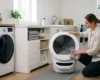
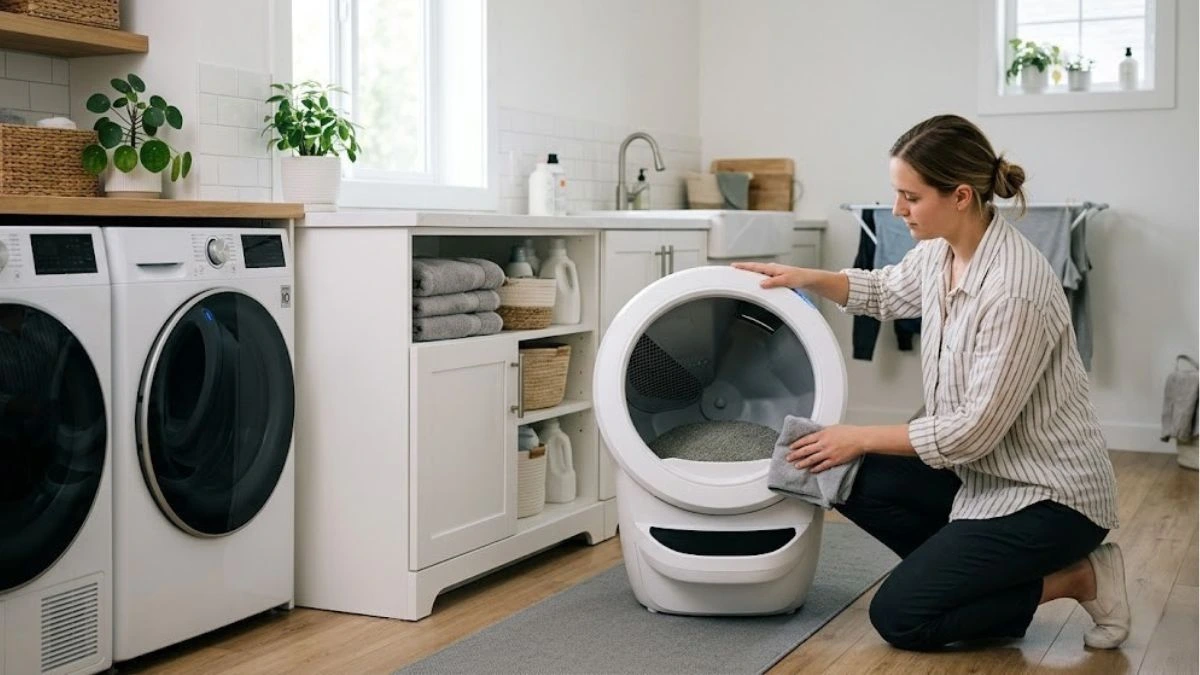
Once a week, wipe down the exterior and any reachable internal surfaces using a damp cloth and mild soap.
Pay close attention to leftover clumps that the rake or rotation system may have missed, as these can accumulate and affect performance over time.
Simple routine to follow:
- Daily: check the waste drawer and top up litter as needed
- Weekly: replace waste bags or liners and wipe down surfaces
Tip: always use the litter type recommended by the manufacturer.
Using the wrong material is one of the most common causes of clogs, sensor issues, and reduced efficiency.
| Task | Frequency | Why it matters |
|---|---|---|
| Check waste drawer | Daily / every few days (multi-cat) | Prevents overflow, odor buildup, and system errors |
| Top up cat litter | Daily check | Maintains proper sifting and consistent performance |
| Wipe exterior and tray | Weekly | Removes dust, residue, and stray litter particles |
| Replace bag/liners | Weekly | Preserves hygiene and prevents odor accumulation |

Deep Cleaning Procedures for Your Unit
Even with regular upkeep, every automatic litter box needs a thorough deep cleaning to maintain performance and prevent long-term issues.
In real-world use, skipping this step is one of the main reasons systems start developing persistent odor, residue buildup, and sensor malfunctions over time.
A proper deep clean every few months removes hidden waste, protects internal components, and helps your unit run like new.
Follow this step-by-step process to safely clean your system while protecting sensors, electronics, and moving parts from damage.
Preparation and Safety
Before starting, always unplug the unit and completely empty the waste drawer to avoid spills and accidental activation.
Gather the basic supplies you’ll need:
- a soft cloth
- mild soap
- a clean towel
- a 1:1 vinegar and water solution for stubborn residue
In real-world use, skipping proper preparation is one of the most common mistakes—and it often leads to water damage or sensor issues.
Important: remove any power-connected components and set them aside before cleaning.
Keeping electronics away from moisture is essential to prevent permanent damage and ensure the system continues to function properly.
Washing Removable Components
Wash the globe, tray, and all removable plastic parts using mild soap and warm water.
For stubborn urine residue, apply a 1:1 vinegar and water solution to help break down buildup and eliminate lingering odor.
In real-world use, this step is essential for removing hidden residue that regular cleaning routines can’t reach.
Important: never submerge the motor or any electronic components.
Always keep the circuit board and internal electronics dry—wipe these areas gently with a clean, dry cloth only.
Drying and Reassembly
After washing, dry every component thoroughly using a clean towel.
Make sure the waste drawer, filters, and all internal parts are completely dry before reassembly.
In real-world use, leftover moisture is one of the leading causes of sensor malfunctions and electrical issues, which can affect performance immediately.
Once everything is dry, replace the carbon filters and install a new bag or liners.
Add fresh litter and run a short test cycle to ensure the system is operating correctly.
Always dry all components completely—moisture is one of the most common causes of sensor errors and long-term damage.
| Step | Action | Why it matters |
|---|---|---|
| Unplug & empty | Disconnect power and clear the waste drawer | Prevents spills and protects electronic components |
| Clean parts | Wash plastics with soap and a 1:1 vinegar mix | Removes urine residue, buildup, and persistent odor |
| Protect electronics | Wipe motors and sensors with a dry cloth | Prevents water damage and avoids sensor malfunctions |
| Dry & test | Fully dry parts, replace filters, run test cycle | Ensures proper operation and long-term performance |
Common Mistakes and Mechanical Preservation
Small mistakes during routine care are one of the fastest ways to reduce performance and shorten the lifespan of your unit.
In real-world use, most mechanical issues don’t come from defects—they come from avoidable habits that build up over time, leading to clogs, sensor errors, and persistent odor.
To keep your system running efficiently, focus on avoiding these common mistakes:
- Use the correct litter type.
- The wrong particle size or material can clog the sifting mechanism and strain the motor. Choosing the best litter for automatic litter boxes helps maintain proper performance and prevents buildup issues.
- Always unplug the unit before cleaning.
- This prevents accidental activation and protects you from electrical hazards.
- Avoid harsh chemicals and abrasive tools.
- Mild soap or a vinegar solution is enough to clean effectively without damaging plastic parts or leaving strong odors that may deter your cat.
- Clean sensors carefully.
- Use a dry cloth only—moisture or cleaning products can cause permanent sensor faults.
- Dispose of waste properly.
- Always seal waste in a bag and never flush it, to prevent plumbing issues.
- Inspect components regularly.
- Check filters, seals, and moving parts for wear and replace them as needed to maintain performance.
- Never reassemble while parts are damp.
- Trapped moisture can lead to mold growth, electrical issues, and long-term damage.
Avoiding these common mistakes is one of the easiest ways to extend your unit’s lifespan and keep your cat’s environment clean, safe, and comfortable.
Conclusion
Keeping your automatic litter box running reliably doesn’t require complex routines—just a simple, consistent care plan that fits into your weekly schedule.
A few seconds each day and a short weekly check are enough to prevent most issues before they start.
Simple maintenance schedule:
- Single cat: deep cleaning every 4–6 weeks
- 2–3 cats: deep cleaning every 3–4 weeks
- 4+ cats: deep cleaning every 2–3 weeks
In real-world use, following this kind of routine dramatically reduces odor, prevents mechanical strain, and keeps the entire system working efficiently over time.
More importantly, it creates a cleaner, healthier environment for your cat—without adding extra effort to your day.
Set a reminder for your next deep cleaning, keep your supplies ready, and stick to a consistent routine.
With just a few minutes of regular care, your litter box will stay cleaner, last longer, and make daily life at home noticeably easier.
Automatic Litter Box Maintenance FAQ
How often should you empty the waste drawer in a self-cleaning unit?
Empty the waste drawer every 2–4 days for one cat. In multi-cat homes, check it daily to prevent overflow, odor buildup, and sensor errors. Always keep the drawer below the fill line and dispose of waste in a sealed bag to reduce bacteria and smells.
How do you perform a safe deep clean without damaging sensors or motors?
Always unplug the unit first. Remove the waste drawer, trays, and filters. Clean removable parts with mild soap and warm water, and wipe electronic components with a dry cloth only. Let everything dry completely before reassembling to protect sensors and moving parts.
Which cleaning products are safe to use on the tray and plastic parts?
Use mild dish soap or a pet-safe cleaner. Avoid bleach or ammonia-based products, as they can damage plastic and leave strong odors that may deter your cat. For stubborn residue, use a soft cloth or brush and rinse thoroughly.
How should you maintain filters and odor-control components?
Replace carbon or charcoal filters every 1–3 months, depending on usage. Check washable filters weekly, rinse them if needed, and let them dry completely. Clean filters help reduce odor and keep airflow systems working efficiently.
What routine prevents clogs and keeps the rake or sifting mechanism working?
Remove stuck clumps regularly and clean the rake or sifter at least once a week. Keep litter levels within the recommended range and use a compatible clumping material to prevent buildup and mechanical strain.
How do you handle multiple cats with a single unit?
Increase maintenance frequency. Check the waste drawer daily, clean more often, and replace filters more frequently. For heavy use, consider a larger-capacity unit or adding a second box to maintain hygiene and performance.
Can you use liners or bags in the waste compartment?
Yes, many owners use liners to simplify cleaning. Choose durable, well-fitted bags that don’t interfere with sensors or seals. Always test new liners to ensure smooth operation.
What causes false alerts or sensor failures, and how do you fix them?
Common causes include dusty sensors, full drawers, or residue buildup. Clean sensors gently with a dry microfiber cloth, reset the unit if needed, and ensure the drawer isn’t overfilled. Persistent issues may require manufacturer support.
How often should you do a full disassembly and inspection?
Perform a full deep clean and inspection every 4–8 weeks, depending on usage. Check seals, moving parts, and components for wear, and replace parts as needed to maintain long-term reliability.
What are best practices for drying components after washing?
Dry all parts with a towel and let them air-dry completely before reassembly. Pay special attention to vents and hidden areas. Avoid heat sources like hair dryers, as they can damage sensitive components.