

Tired of Smelly Litter Boxes? 3 Models That Actually Fix It (2026)
This article may contain affiliate links. We may earn a commission at no extra cost to you.
If you’re tired of scooping litter every single day — and your home still doesn’t smell as clean as it should — you’re not alone.
Automatic litter boxes promise convenience, but not all of them deliver where it actually matters: odor control, safety, and real daily use.
Quick Answer:
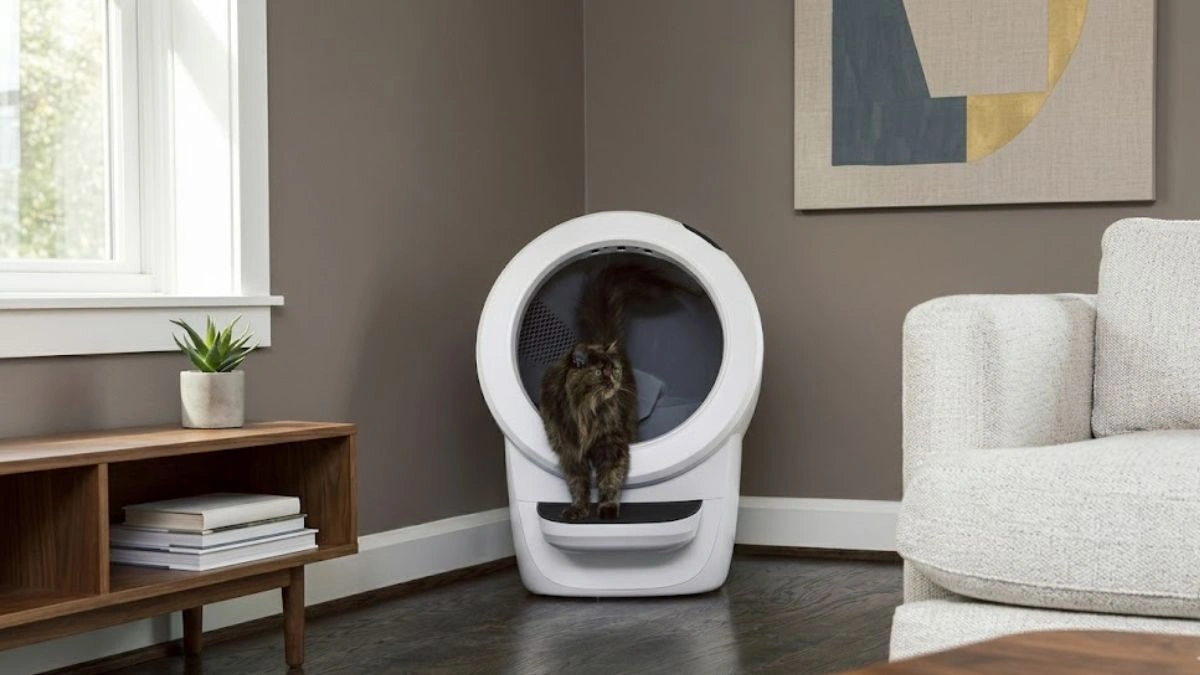
The best automatic litter box for most homes in 2026 is the Litter-Robot 4 thanks to its strong odor control, quiet operation, and smart tracking. PETKIT Pura Max is a better fit for smaller spaces, while PetSafe ScoopFree offers the simplest cleaning routine with disposable trays.
To give you a clear, realistic answer, we tested the top premium models under real home conditions — focusing on what actually impacts daily life, not just specs.
In this guide, we compare the Litter-Robot 4, PETKIT Pura Max, and PetSafe ScoopFree, focusing on safety sensors, odor control, and smart features that prevent everyday frustrations.
Our goal is simple: help you choose a model that fits your routine — balancing performance, pet safety, and long-term maintenance instead of just upfront price.
Key Takeaways
- Premium units reduce daily scooping, but shift the work to periodic emptying and deep cleaning.
- The Litter-Robot 4 stands out for its advanced sensors, smart app tracking, and whisper-quiet operation.
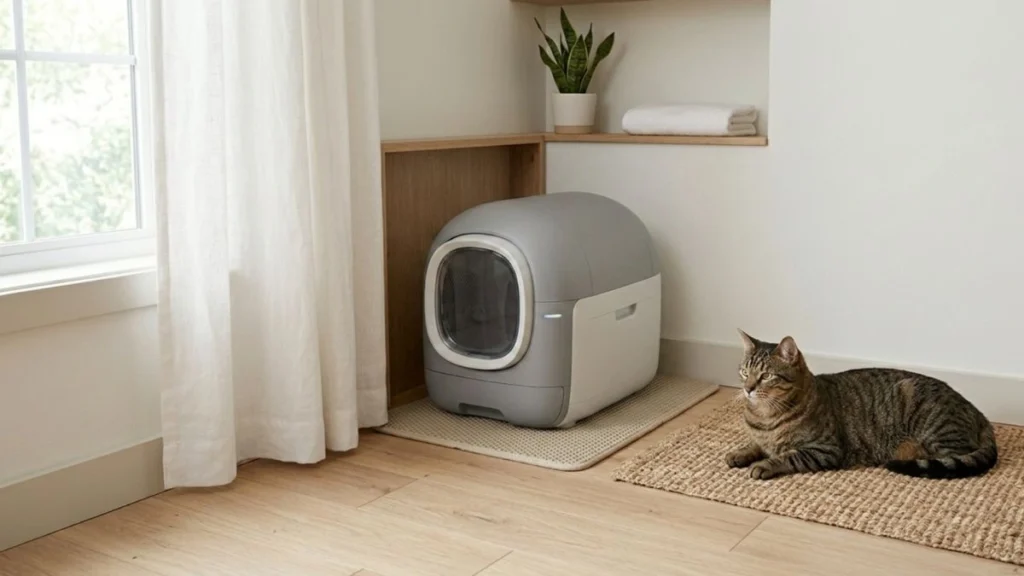
- PETKIT Pura Max is a strong choice for small spaces, offering compact design with smart features.
- PetSafe ScoopFree simplifies cleaning with disposable trays and crystal litter for moisture control.
- The best choice depends on safety, odor control, and ease of maintenance — not just the upfront price.
Why we’re comparing premium self-cleaning litter boxes for US homes
We compared premium self-cleaning litter boxes to understand how they actually impact daily routines and long-term maintenance in real US homes.
In simple terms, an automatic unit runs a cleaning cycle after your cat leaves — separating waste automatically so you don’t have to scoop multiple times a day.
That said, these systems don’t eliminate work completely. Instead, they replace daily scooping with periodic tasks like emptying a waste drawer or tray, refilling litter, and doing a scheduled deep clean every few weeks.
Who benefits most
- Multi-cat homes need higher capacity and stronger odor control
- Small apartments benefit from compact designs and quiet operation
- Homes with kittens or senior cats require low entry points and reliable safety sensors
What we prioritized
- Safety: sensors that pause cycles when a pet is detected
- Odor control: sealed storage, filters, and absorbent materials that reduce smells between cleanings
- Quiet operation: suitable for living spaces without disruption
- Cleaning effort: total maintenance over time — not just the first week
We built this comparison around what actually matters in daily use: cat safety, odor control, and ease of maintenance, focusing on the rotating system used by the Litter-Robot and the rake-and-crystal approach found in models like the PetSafe ScoopFree.
Quick comparison snapshot of our top picks
Use this quick overview to match the right model to your home. We focus on daily workflow, space requirements, and safety, so you can decide faster with less guesswork.
Automation + data: Litter-Robot 4
One of the most advanced options available right now.
Why pick it:
The Litter-Robot 4 combines advanced sensors, smart app tracking, and whisper-quiet operation to reduce daily effort. Its pullout waste drawer keeps cleanup simple while giving you real-time insights into your cat’s habits.
Who it suits:
Perfect for multi-cat homes or owners who want less daily maintenance and more control through data.
Safety note:
Built-in sensors pause cleaning cycles if a pet is detected. Always check entry height for kittens and senior cats to ensure safe access.
Hands-off disposable system: PetSafe ScoopFree
A very simple, low-maintenance option for daily use.
Why pick it:
The ScoopFree is designed for maximum simplicity. Instead of dealing with waste drawers, you simply swap out a disposable tray when it’s full — making cleanup fast and low-contact.
Who it suits:
Ideal for apartment living or owners who prefer minimal interaction with waste, trading daily effort for an easy monthly routine.
Safety note:
The rake system pauses if your cat returns mid-cycle. The crystal litter absorbs moisture effectively, but some cats may need time to adjust to the different texture.
Compact smart option: PETKIT Pura Max
A smart compact solution for small spaces.
Why pick it:
The PETKIT Pura Max stands out for its compact design and smart app control, making it ideal for tight spaces where larger units won’t fit. It delivers a good balance between automation and space efficiency.
Who it suits:
Best for single-cat homes or setups where space, design, and app control matter more than maximum capacity.
Safety note:
The unit includes built-in safety sensors to reduce pinch risk. However, its smaller capacity may require more frequent maintenance in busy or multi-cat households.
Quick tip:
Choose a model that fits your daily routine — drawer-based systems reduce daily effort, while tray-based systems simplify disposal with quick monthly swaps.
How to choose the best automatic litter box for cats
Choosing the right model comes down to three things: safety, odor control, and daily maintenance.
Start by identifying what matters most in your home — whether it’s handling multiple cats, fitting into a small space, or reducing hands-on cleaning as much as possible.
The key is understanding that each system solves a different problem. Some prioritize automation and data tracking, while others focus on simplicity and low interaction.
If you want a deeper breakdown of performance, hidden features, and real-world behavior, check our comprehensive Litter-Robot 4 review with detailed testing insights.
Safety features that matter
Sensor-based pause and stop functions are essential. A reliable automatic litter box should never start a cleaning cycle while a cat is inside.
In real-world use, premium models rely on a combination of motion and weight sensors to detect when a pet is present and automatically pause operation.
For example, the Litter-Robot uses entrance motion detection and internal weight sensing to prevent unsafe cycling. However, kittens under about 3 pounds may not always trigger sensors reliably, so extra caution is recommended during the adjustment period.
Odor control approaches
When it comes to odor control, three main systems make the biggest difference: sealed waste drawers with carbon filters, absorbent crystal litter, and ventilation-based designs.
A sealed waste drawer helps trap odors between emptying cycles, keeping the smell contained instead of spreading into your home.
If odor is a constant issue in your home, it’s worth understanding the root cause — here’s a breakdown of why automatic litter boxes smell and how to fix it effectively.
Crystal litter works differently — it absorbs moisture quickly, which reduces odor over time. However, it can feel different under your cat’s paws, and not every cat adapts immediately.
Noise and placement
Quieter cleaning cycles make a big difference in daily life, allowing you to place the unit near bedrooms or living areas without disruption.
Louder systems, on the other hand, often force you to move the litter box to more isolated spaces — which can add inconvenience and reduce how consistently it gets maintained.
Cleaning workload and access
Expect three main recurring tasks: emptying waste (drawer or disposable tray), refilling litter, and performing a scheduled deep clean.
Different systems handle this in different ways. Drawer-based models use pull-out waste compartments, while tray systems like ScoopFree rely on full tray swaps. Some units also require occasional full teardown cleaning to maintain performance.
If you want to keep your unit running efficiently long-term, following a consistent routine makes a big difference — this automatic litter box maintenance guide shows exactly how to keep everything clean and working properly.
| Requirement | What to check | Why it matters |
|---|---|---|
| Safety | Motion + weight sensors; minimum weight threshold | Ensures the unit won’t cycle while a cat is inside, reducing injury risk |
| Odor control | Sealed drawer, carbon filter, or crystal media | Determines how effectively the system controls smell between cleanings |
| Space & entry | Footprint (inches) and entry height | Helps ensure easy access for kittens, seniors, and mobility-limited cats |
| Cleaning style | Waste drawer vs disposable tray vs full deep clean | Impacts long-term effort, cost, and overall convenience |
Practical checklist
- Measure the available space, including extra clearance to easily pull out a waste drawer or replace a tray.
- Confirm access to a nearby power outlet, especially for plug-in models like the Litter-Robot (approximately 29.5 x 22 x 27 inches).
- Check litter compatibility, including whether the unit supports clumping, crystal, or specific litter types
Litter-Robot 4 overview: odor trap technology, multi-cat weight tracking, and quiet operation
The Litter-Robot 4 combines a rotating drum system with smart app tracking to significantly reduce daily scooping while helping control surface-level odor.
Its front-loading, washer-style design automatically separates clean litter from waste. As the drum rotates, usable litter is filtered back into the unit, while solid clumps are directed into a sealed pullout waste drawer — keeping cleanup simple and more contained.
How the rotating cleaning cycle separates clumps into a waste drawer
After your cat leaves, the unit waits briefly before starting a slow cleaning cycle. The rotating drum then separates clean litter from waste, allowing usable litter to fall back through the grate while solid clumps move into a sealed waste drawer below.
Odor management and the waste drawer system
By isolating waste inside a covered, sealed drawer, the system helps reduce ongoing odor between emptying sessions. Keeping the drawer at a manageable level ensures more consistent odor control and predictable maintenance.
Multi-cat weight tracking and visit monitoring in the Whisker app
The Whisker app tracks visit frequency, weight trends, and waste levels, helping you monitor changes across multiple cats. In real-world use, this kind of tracking can help identify early behavior or health changes in busy households
Whisper-quiet operation and real-world performance
In real home environments, testers consistently noted how quiet the cleaning cycle is — often compared to a low background appliance. This makes it possible to place the unit near living areas without disruption.
Safety sensors: motion and weight detection
Built-in motion and weight sensors ensure the unit won’t start a cycle while a cat is inside, and will pause if a pet re-enters mid-cycle. As a precaution, kittens under about 3 pounds may require supervision during initial use.
Litter-Robot 4 pros and cons based on customer feedback and technical specs
Here’s a clear breakdown of what owners and testers consistently report in real-world use, so you can better evaluate safety, maintenance, and space requirements before making a decision.
Pros
- Significantly reduces daily scooping, turning it into quick, periodic maintenance
- Advanced sensors and safety features prevent unsafe cycling
- Smart app tracking provides insights into usage, weight, and habits
- Whisper-quiet operation, suitable for living areas
- Sealed waste drawer helps control odor more effectively
Cons
- Higher upfront cost compared to simpler models
- Large footprint, which may not fit smaller spaces
- Monthly deep cleaning required to maintain optimal performance
- Learning curve with the app for first-time users
Safety and cat confidence
Built-in motion and weight sensors ensure the unit stops or won’t start a cleaning cycle if a cat is inside or re-enters mid-cycle. This behavior helps reduce pinch risk and build confidence, especially for more sensitive or skittish cats.
Low-weight caution: kittens under about 3 pounds may not reliably trigger sensors, so supervised use is recommended during the initial adjustment period.
Owner convenience and daily workflow
The Litter-Robot 4 follows a “set-and-forget” routine, turning daily scooping into simple, periodic maintenance. The rotating drum handles cleanup automatically, while the pullout waste drawer makes disposal quick and mess-free.
Smart alerts also make a noticeable difference in daily use. The app sends notifications for full drawer levels, cycle issues, and maintenance needs, helping you avoid unexpected problems and reduce hands-on time.
Size, placement, and visual impact
The Litter-Robot 4 has a larger footprint (approximately 29.5 x 22 x 27 inches), so it’s important to measure your space, doorways, and proximity to a power outlet before committing.
Its open-entry design can also make litter more visible compared to fully enclosed boxes — something to consider if you plan to place it in living areas or shared spaces
Performance quirks and upkeep
Some litter types can stick to the inner drum, which may affect sensor accuracy and lead to occasional false “full” alerts. To avoid this, it’s important to use compatible litter and maintain proper levels.
A monthly deep cleaning routine is also recommended to keep performance consistent. While the initial disassembly may take some time to learn, most users find that reassembly becomes much quicker with practice.
Ownership notes
Standard grocery bags are often too small for the waste drawer, so many owners prefer larger liners or the brand’s official bags to make disposal easier and less messy.
App learning curve: while the app adds real value, it may take a few days to fine-tune alerts and get comfortable with the data tracking features.
| Aspect | What we observed | Owner action |
|---|---|---|
| Safety | Motion + weight sensors; pauses if pet present | Supervise small kittens and verify sensor thresholds |
| Footprint | ~29.5 x 22 x 27 inches; requires power outlet | Measure doorways and ensure proper placement space |
| Waste handling | Pullout drawer; supports liners | Use larger bags or brand liners to avoid spills |
| Maintenance | Monthly teardown recommended; occasional sticking | Plan regular deep cleaning and test litter compatibility |
PETKIT Pura Max overview: compact design, xSecure safety system, and smart app control
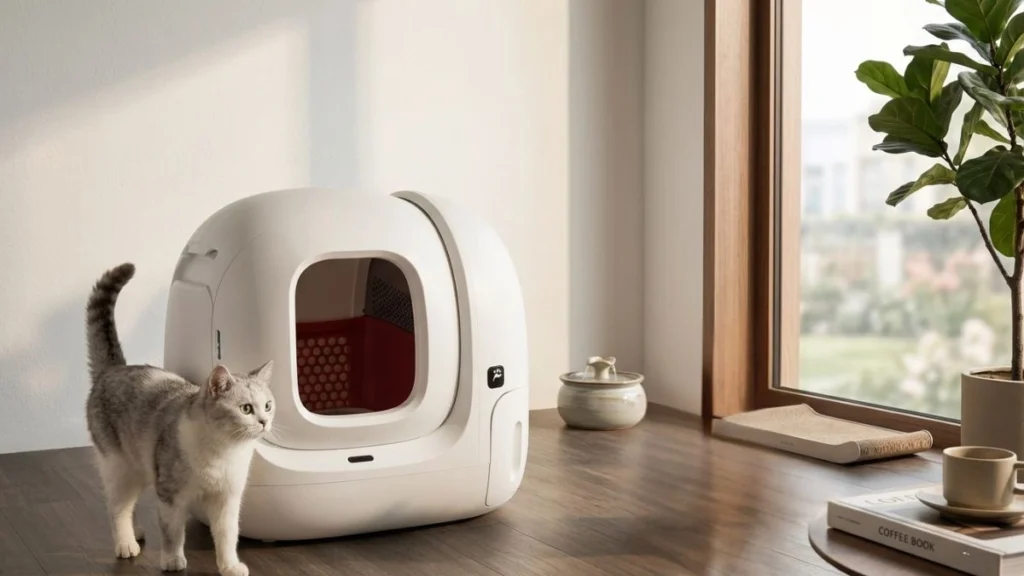
The PETKIT Pura Max is designed to balance a compact footprint with smart features, making it a strong option for smaller homes or limited spaces.
In real-world use, it combines reliable safety systems with app-driven control, helping simplify daily care while still offering useful monitoring and automation.
Compact design advantages for tight spaces and modern home setups
The PETKIT Pura Max is built for tight spaces, fitting easily into corners, closets, or next to furniture where larger units simply won’t work. Its smaller footprint makes it especially practical for apartments and narrow layouts.
Even with a compact design, it’s important to leave enough space for easy access and routine maintenance, such as removing panels or cleaning components. Planning placement in advance helps keep daily use simple and hassle-free.
xSecure safety system and anti-pinching/anti-trap protections
The xSecure system is designed to prevent pinch and trap risks by automatically pausing movement when motion is detected near sensitive areas.
In real-world use, this means the unit will stop if a curious pet approaches or returns mid-cycle — helping reduce injury risk and build confidence, especially for more cautious cats.
Even in a compact design, reliable pause-on-approach behavior is essential to ensure safe, stress-free use over time.
Smart app control for cleaning cycle timing, alerts, and monitoring
The PETKIT app gives you full control over when cleaning cycles run, along with real-time alerts for maintenance needs.
These notifications help reduce unexpected chores by letting you know exactly when it’s time to empty the unit or refill litter — making daily care more predictable.
You can also track basic usage patterns, which is especially useful in multi-cat homes or when monitoring changes in a single cat’s routine.
PETKIT Pura Max pros and cons based on customer feedback and technical specs
Here’s a clear breakdown of what owners and testers consistently report in real-world use, so you can better understand where the Pura Max stands out — and where it may fall short.
Pros
- Space-saving design with app-first control
Its compact footprint fits easily into tight corners, small rooms, and apartment setups, making placement much more flexible. - Smart app control and real-time alerts
Configurable cleaning cycles and notifications give you better control over maintenance and usage patterns. - Safety-focused design
The xSecure system pauses movement when motion is detected, helping reduce pinch risk and protect curious pets. - Reliable sensor system
Motion and weight detection help ensure the unit won’t start while a cat is inside.
Cons
- Limited capacity for larger cats or heavy use
The interior works well for average-sized cats but may feel tight for large breeds or struggle in multi-cat households. - Cleaning access can be more restrictive
Some areas may be harder to reach during wipe-downs, requiring more attention during maintenance. - App and Wi-Fi dependency
Since many features rely on connectivity, performance may be affected if the app or internet connection is unstable.
| Area | What we observed | Owner action |
|---|---|---|
| Design | Compact size; small footprint | Measure interior space and test entry for larger cats |
| App | Scheduling, alerts, and remote monitoring | Ensure stable Wi-Fi and review alert settings |
| Cleaning & parts | Tight access points; occasional part checks | Plan regular wipe-downs and keep spare parts ready |
| Safety | Motion and weight-based pause features | Supervise small kittens and verify sensor thresholds |
In real-world use, we found the Pura Max to be ideal when space and app control matter most. However, larger households should carefully consider capacity and cleaning access before choosing this model.
Ownership reality check: setup usually takes a few sessions to properly fine-tune alerts and sensor thresholds. Expect a short learning curve, along with occasional maintenance, especially with heavier use.
PetSafe ScoopFree overview: crystal litter convenience and disposable tray system
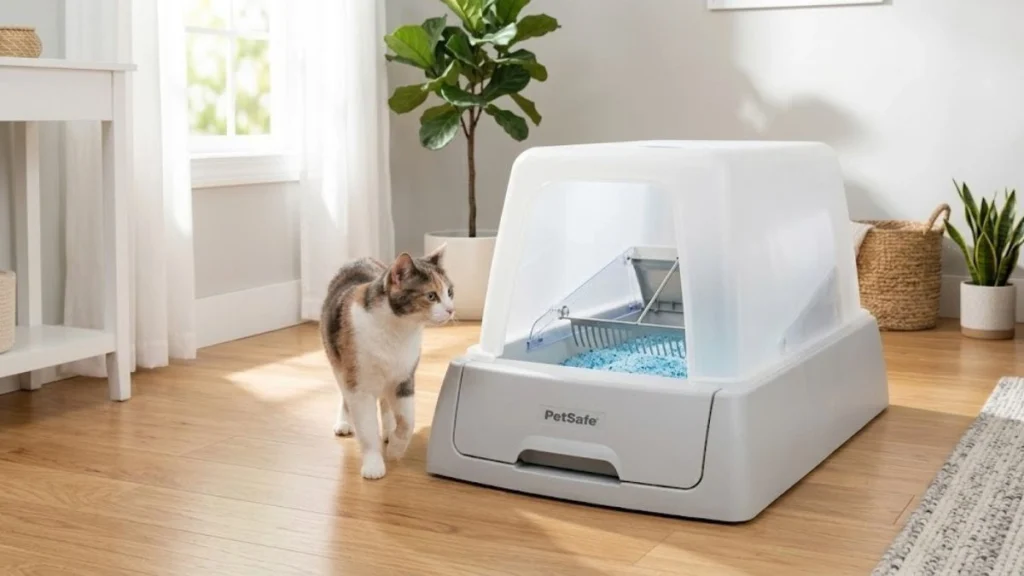
The PetSafe ScoopFree is designed for low-maintenance cleaning, using crystal litter and a rake-based system to reduce daily hands-on work.
In real-world use, it focuses on simplicity and convenience, making it a strong option for owners who want to minimize direct contact with waste.
How the rake-driven cleaning cycle moves solid waste
After your cat leaves, the unit waits briefly before a sensor triggers a slow, quiet cleaning cycle. A rake then moves through the litter bed, pushing solid waste into a covered compartment, keeping the surface clean.
Why crystal cat litter matters in this design
Crystal litter is non-clumping and highly absorbent, meaning urine is captured rather than formed into clumps. This helps keep the tray drier for longer and reduces odor between replacements.
Disposable tray workflow and monthly upkeep
Instead of handling loose waste, owners simply slide out the disposable tray, seal it, and discard it. For a single-cat household, one tray can last around a month — significantly reducing direct contact with mess.
Apartment-friendly footprint and cat comfort
The ScoopFree has a compact footprint (approximately 27.6 x 19.1 x 15.7 inches), making it easier to place in small spaces like closets, bathrooms, or apartments.
Comfort note: crystal litter has a firmer texture under paws, so some cats may need time to adjust.
PetSafe ScoopFree pros and cons based on customer feedback and technical specs
Here’s a clear breakdown of what owners and testers report in real-world use, highlighting the trade-offs between low-maintenance cleaning and recurring consumable costs.
Pros
- Low-touch cleaning system
A covered waste compartment keeps mess out of sight while helping reduce visible odor between cleanings. - Quiet operation
The rake system runs smoothly, so cleaning cycles are unlikely to disturb your home environment. - Simplest disposal method
The tray-based system allows you to remove and discard waste without direct contact, making routine cleaning fast and convenient.
Cons
- Ongoing cost of disposable trays
Regular tray replacements can increase long-term expenses and generate more waste compared to drawer-based systems. - Crystal litter comfort and tracking
The texture may feel firmer for sensitive cats, and some tracking outside the box can occur. - Low wall height for larger cats
The lower sides may lead to urine overspray with bigger pets, unless additional accessories are used.
| Pro / Con | What we observed | Owner action |
|---|---|---|
| Low-touch cleaning | Covered waste; quiet rake system | Ideal for single-cat homes with minimal upkeep |
| Disposal | Disposable tray system | Swap monthly with minimal daily effort |
| Recurring cost | Ongoing tray purchases | Factor into long-term ownership cost |
| Comfort & tracking | Crystal texture; tracking risk | Test pet comfort and consider using litter mats |
In short, the ScoopFree is quiet and low-touch, but disposable trays add ongoing cost, and crystal litter may cause some tracking.
Safety comparison across all three automatic litter boxes
Our testing focused on how each model keeps moving parts safely away from pets, while remaining accessible for kittens, seniors, and smaller cats.
We evaluated sensor behavior, entry design, and real-world usability to determine how each unit performs in everyday conditions.
Sensor-based pausing and “no-cycle-with-cat-inside” protections
Each model uses a slightly different approach to prevent unsafe operation. The Litter-Robot 4 combines motion and weight sensors, ensuring it won’t start a cycle if a cat is detected inside. ScoopFree-style units rely on occupant detection with a delayed rake system, while the PETKIT Pura Max pauses movement when motion is detected near moving parts.
In real-world use, this often results in paused or delayed cleaning cycles when a curious pet approaches. While it may seem slower at times, this behavior is essential — it helps prevent injury and reduces startle reactions, making the unit safer and more comfortable for cats.
Special caution for kittens and minimum weight thresholds
Most systems rely on weight-based sensors to detect when a cat is inside. Kittens under about 3 pounds may not consistently trigger these sensors, especially during early use.
To ensure safety, it’s best to use manual mode or supervise initial use until the kitten reliably registers on the system.
Entry height, step design, and accessibility for seniors
Entry height and step design matter, especially for senior, injured, or mobility-limited cats. A high step or slippery surface can make entry difficult and may push some pets back to a traditional litter box.
At-home checklist:
- Allow your cat to enter freely
- Watch for hesitation or avoidance
- Confirm that moving parts and pinch points are safely covered
Acclimation tip:
Start with the power off so your cat can explore comfortably before activating automatic cycles
Introduce the unit gradually
In short, safety combines sensors, thoughtful design, and a gradual introduction — helping pets feel confident over time.
| Risk area | What to check | Action |
|---|---|---|
| Cycle start | Motion + weight response | Test with your pet present and observe pause behavior |
| Small pets | Minimum weight threshold | Use manual mode until detection is reliable |
| Accessibility | Entry height & step texture | Measure and test with senior or mobility-limited cats |
Odor control and “odor trap” performance: what to expect in real homes
Odor control is often what determines whether a space feels clean and comfortable or quickly becomes noticeable.
In this section, we compare how each system manages smell in real-world conditions — and which design choices and daily habits help keep your home fresh between cleanings.
Carbon filters, sealed drawers, and absorbent crystals compared
Three factors make the biggest difference in odor control: how quickly waste is separated, how well it’s sealed, and how the litter handles moisture.
Rotating drum systems that drop clumps into a sealed pullout drawer tend to isolate solid waste effectively, which helps limit direct odor near the unit.
Crystal litter works differently — it absorbs urine and keeps the bed drier, reducing moisture buildup. When combined with a covered compartment, it controls odor by locking in moisture rather than separating clumps.
How waste storage design impacts odors between emptying days
Real-world odor control depends on capacity and timing. Even the best systems will start to smell if a full drawer or tray is left too long without emptying.
Placement also plays a key role. While sealed compartments help contain odor, poor airflow or tight spaces can cause smells to build up over time.
| Approach | How it controls smell | Owner action |
|---|---|---|
| Sealed waste drawer | Isolates solids and reduces surface odor | Empty weekly or biweekly depending on usage |
| Crystal litter + covered system | Absorbs urine and keeps the litter bed drier | Replace trays as recommended and use mats to reduce tracking |
| Filters & carbon | Helps reduce airborne odors around the unit | Replace filters regularly and monitor system alerts |
Reality check: in multi-cat homes, waste storage fills up faster, so odor control depends as much on capacity as it does on technology.
Keep litter at recommended levels and act on full-drawer or tray alerts promptly to maintain a consistently fresh environment.
Ease of cleaning for owners: waste drawer vs disposable tray vs deep clean
Real-world effort comes down to how each system handles cleaning over time — whether through drawer emptying, tray swaps, or periodic deep cleaning.
Emptying and swapping
With the Litter-Robot 4, we used a pullout waste drawer with bag liners, making disposal faster and reducing direct contact with waste. Larger bags or proprietary liners helped keep the process cleaner and more convenient.
ScoopFree takes a different approach with a disposable tray system, typically replaced monthly in single-cat homes. This method minimizes direct contact, but comes with ongoing cost and more disposable waste over time.
PETKIT Pura Max sits between both approaches, using a hybrid drawer system. In real-world use, this means smaller but more frequent emptying, especially in busy or multi-cat homes.
Wipe-down vs full teardown
Routine wipe-downs handle most surface buildup, keeping the unit clean day to day. For the Litter-Robot 4, a monthly full teardown is still recommended to prevent residue buildup and maintain sensor accuracy.
Tray-based systems generally require less frequent deep cleaning, but proper sealing when discarding used trays is essential to avoid odor and mess.
Mess management and daily reality
Litter tracking can be reduced with simple adjustments, such as using a litter fence or a textured step design. Placing a mat at the entrance also helps trap loose litter, especially in smaller spaces like apartments.
In short, “hands-off” means less daily scooping — not zero maintenance. Expect periodic disposal and a monthly deep clean.
| Workflow | Owner action | Why it matters |
|---|---|---|
| Waste drawer | Swap bag or liner; perform monthly teardown | Lower ongoing cost but requires some handling |
| Disposable tray | Swap and discard monthly | Minimal contact with waste but higher consumable cost |
| Compact unit | Frequent small empties; occasional wipe-downs | Great for tight spaces but requires closer monitoring |
Smart features that matter: app controls, tracking, and notifications
App-driven monitoring helps turn daily care from guesswork into clear, actionable data. The right smart features should reduce mental load and make maintenance feel like a predictable, scheduled routine.
In multi-cat homes, these insights become even more valuable. The Whisker app tracks visit frequency and weight trends over time, helping identify changes in behavior or early signs like sudden weight loss.
While weight tracking is useful, it’s important to note that similar-sized cats can be harder to distinguish, so data should be used as a guide rather than a precise identifier.
Alerts that cut surprise maintenance
Timely alerts help you avoid overflows and odor buildup by notifying you before issues appear.
The most useful systems track full drawer levels, low litter, and cycle status, so you can act early and keep performance consistent without surprises.
When the unit must still work without the app
Reliable core functions are essential. The unit should continue to run cleaning cycles and respond to basic controls even without app access.
In real-world use, the Litter-Robot 4 maintains full manual operation, while PETKIT models are more app-dependent and rely on Wi-Fi for certain features.
“Good smart features reduce daily effort — but core cleaning should always work, even without a stable connection.”
Space, noise, and placement: making an automatic litter box work at home
Proper placement can make a big difference in how your home feels day to day. A well-positioned unit helps reduce noise, limit odor spread, and keep cleaning routines simple.
In this section, we break down space requirements, power needs, noise levels, and practical placement tips so you can set up your unit in a way that actually works in real life.
Measuring footprint and planning for outlets
Start by measuring the unit’s footprint and adding enough clearance to pull out a waste drawer or swap a tray comfortably. For the Litter-Robot 4, plan around 29.5 x 22 x 27 inches, plus extra space for easy access.
Also confirm a nearby power outlet before buying. A short extension cord can work, but avoid running cables across walkways to keep the setup safe and clean.
Quiet operation benchmarks and where noise still shows up
Even the quietest units produce brief, occasional sounds, such as motor start/stop, rake movement, or litter shifting during cycles.
In real-world testing, the Litter-Robot 4 is often described as quieter than a dishwasher, while rake-based systems like ScoopFree also maintain low ambient noise, though the sweeping action can still be noticeable in very quiet rooms.
If you’re sensitive to sound, it’s best to place the unit away from bedrooms or sleeping areas to avoid disruption during automatic cleaning cycles.
Choosing a location to minimize odors and tracking
Avoid placing the unit in tight, poorly ventilated corners, where odors can build up quickly. Keep it in an accessible spot so you can empty the drawer or swap trays on time, since delays are a major cause of lingering smells.
To reduce tracking, use simple solutions like a litter mat, low step, or small fence. Positioning the unit on hard flooring instead of carpet also makes cleanup faster and more effective.
“Measure in inches, plan for outlets, and use simple accessories to make the unit fit your space and daily routine.”
| Placement factor | What to check | Quick tip |
|---|---|---|
| Footprint | Measure unit in inches + clearance | Add 6–12 inches for easy access and movement |
| Outlets | Proximity to power source | Confirm nearby outlet; avoid cords across walkways |
| Noise | Motor, rake, and litter movement | Place away from bedrooms; test placement at night |
| Odors & tracking | Ventilation and flooring | Use mats, fences, and maintain regular emptying |
Troubleshooting:
If your cat startles during cleaning cycles, try moving the unit slightly farther from resting or sleeping areas.
When available, schedule cleaning cycles for daytime hours to reduce unexpected noise at night.
Small placement adjustments often make a big difference and can improve adoption quickly.
Which self-cleaning litter box should we buy for our cats?
To make your decision easier, here’s how each model fits different needs in real-world use. Choose based on what matters most to you: advanced tracking and quiet performance, compact smart design, or the simplest cleaning routine.
Choose Litter‑Robot 4 if you want data, quiet cycling, and premium automation
Why this model: it delivers detailed tracking, weight monitoring, and waste alerts, all combined with exceptionally quiet operation. This makes it ideal for multi-cat homes and owners who want deeper health insights.
Cleaning style: uses a pullout waste drawer, reducing daily scooping while requiring periodic emptying and a monthly deep clean.
Note: supervise very small kittens during setup, as minimum weight thresholds may not trigger sensors reliably.
Choose PETKIT Pura Max if you want compact design, advanced safety, and app control
Why this model: it offers a compact footprint with strong safety features, including reliable pause-on-motion protection. The app provides cycle scheduling and real-time alerts, making daily care more controlled and predictable.
Cleaning style: involves smaller but more frequent emptying, along with occasional part checks. Make sure your Wi-Fi connection is stable and that capacity fits your household’s usage.
Choose PetSafe ScoopFree if you want crystal media and the simplest disposal routine
Why this model: it uses crystal litter that absorbs moisture and a disposable tray system, minimizing direct contact with waste. This makes it ideal for apartments and low-maintenance routines.
Trade-off: expect ongoing consumable costs and some litter tracking, especially with crystal media underfoot.
Final safety reminder: whichever model you choose, supervise the transition, confirm your cat’s entry comfort, and test pause behavior to ensure safe and confident adaptation.
Still unsure? For most homes, the Litter-Robot 4 offers the best balance of performance, odor control, and long-term convenience.
Conclusion
In short, choose the workflow you can realistically maintain. If you want automation with data and quiet performance, go for a model with strong app tracking. If space and design matter most, a compact smart unit fits better. If your priority is minimal daily handling, a disposable tray system reduces contact at the cost of ongoing consumables.
Safety should never be optional. Always test sensor pause behavior, check minimum weight thresholds for kittens, and confirm easy entry for senior cats.
Odor control depends on the full system — waste storage, litter type, and consistent maintenance all work together to keep your home fresh.
Automatic litter boxes reduce daily scooping, but they don’t eliminate upkeep. Compare initial cost, recurring supplies, and maintenance time, then choose the model that keeps your cat comfortable and your home consistently clean.
Automatic Litter Box FAQ
What is an automatic self-cleaning litter box?
An automatic self-cleaning litter box removes waste without manual scooping. It detects when a cat leaves and separates waste into a sealed drawer or disposable tray to reduce odor and daily maintenance.
Are automatic litter boxes safe for cats?
Yes, most automatic litter boxes are safe when equipped with motion and weight sensors. These systems stop or prevent cleaning cycles if a cat is detected inside, reducing the risk of injury.
How often should you empty an automatic litter box?
For one cat, empty the waste drawer every 1–2 weeks. In multi-cat homes, check it weekly or more often. Disposable tray systems usually need replacement every 2–4 weeks
Do automatic litter boxes smell?
They can smell if not maintained properly. Odor depends on waste storage, litter type, and how often the unit is emptied. Sealed drawers and crystal litter help reduce smell between cleanings.
Are automatic litter boxes worth it?
Yes, they are worth it for most owners. They reduce daily scooping and improve odor control, but still require regular maintenance and have higher upfront costs.