

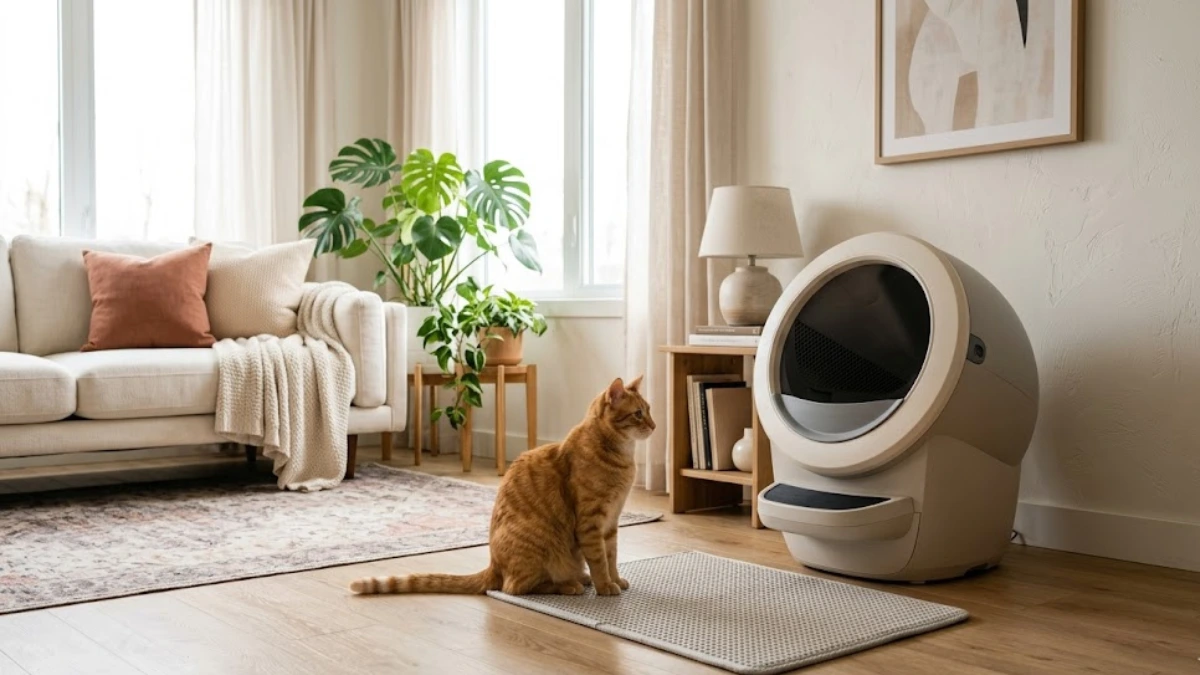
Are Automatic Litter Boxes Too Noisy? What Most Cat Owners Don’t Expect (2026)
Everything feels quiet until the cleaning cycle suddenly starts in the middle of the night.
For many cat owners, automatic litter boxes seem almost perfect at first — less scooping, better odor control, and a cleaner home overall. But after a few days of real use, some owners start noticing something they never expected: the noise.
In small apartments, bedrooms, or quiet homes, even a short cleaning cycle can feel surprisingly loud at night. Some cats ignore it completely, while others run away the moment the motor starts moving.
The truth is that not all automatic litter boxes sound the same. Some models are quiet enough to blend into the background, while others can become frustrating over time, especially for light sleepers or noise-sensitive cats.
In this guide, we’ll break down what automatic litter boxes actually sound like in real homes, which systems tend to be quieter, and what you can do to reduce noise without giving up the convenience of self-cleaning technology.
Introduction: Why Noise Matters in Automatic Litter Boxes
For some cat owners, the noise from an automatic litter box becomes noticeable faster than expected — especially at night.
During the day, the cleaning cycle may seem minor. But in a quiet bedroom or small apartment, even a short motor sound can suddenly feel much louder than it did in the store or online videos.
Some cats completely ignore the sound after a few days. Others become cautious around the box, especially if the cleaning cycle starts unexpectedly while they are nearby.
This matters more than many people realize because noise affects both comfort and consistency. A loud cleaning cycle can disturb sleep, interrupt quiet environments, and even make sensitive cats avoid the litter box over time.
Here are a few important things many owners notice after daily use:
- Even small increases in sound can feel disruptive in bedrooms or studio apartments.
- Multi-cat homes often experience more noise overall because the cleaning cycle activates more frequently.
- Placement makes a huge difference, especially in empty rooms with hard floors or strong echo.
In general, most owners notice a major difference once noise levels move above the low-40 dB range:
| Decibel Level | Effect on Sleep | Cat Behavior |
|---|---|---|
| 35 dB | Undisturbed Sleep | Normal Usage |
| 50 dB | Sleep Disruption | Avoidance Behavior |
| Above 50 dB | Severe Disruption | Increased Anxiety |
Automatic Litter Box Design and Basic Technology
Could the mechanics behind your litter box be contributing to unexpected sounds? Understanding the design is essential for selecting a quieter model. Two common systems are the rotating drum and the rake system.
Rotating drum designs generally provide smoother and quieter operation. In contrast, rake systems can scrape against the litter box base, creating additional mechanical noise during the cleaning cycle. This fundamental design difference has a major impact on how each model performs in real homes.
When it comes to motor technology, brushless motors usually stand out. These systems reduce friction and vibration, helping some automatic litter boxes operate much more quietly than older gear-driven models. Traditional motors, however, often create more noticeable sound through constant mechanical contact points.
Choosing the right motor technology is crucial for keeping your automatic litter box quiet over time. If you want to better understand how different self-cleaning systems actually work, read our guide on how automatic litter boxes work.
Understanding Decibel Measurements and Noise Ratings
What is the actual sound level you can expect from an automatic litter box during daily use? Understanding decibel levels helps set realistic expectations, especially if you plan to place the unit near a bedroom or in a small apartment.
A quiet library usually measures around 30 dB, which is why many owners use that range as a reference point when looking for a quieter automatic litter box. In real homes, however, the perceived sound can feel louder depending on room size, flooring, and distance from the unit.
Generally, anything around 40 dB or lower is considered comfortable for bedrooms and quieter living spaces. Once noise levels move higher, the cleaning cycle becomes much more noticeable — especially late at night.
The sound can also vary depending on the type of motor, the cleaning system, and even the litter being used inside the box.
| Decibel Level | Example Environment | Perceived Loudness |
|---|---|---|
| 30 dB | Quiet Library | Whisper-Quiet |
| 40 dB | Refrigerator Hum | Moderate Noise |
| 50 dB | Normal Conversation | Noticeable Noise |
Compare the Real-World Noise Levels of Automatic Litter Boxes in Apartments
Have you considered how different automatic litter boxes actually sound in small living spaces? In apartments or bedrooms, even a short cleaning cycle can feel surprisingly noticeable — especially late at night when everything else is quiet.
In general, models that stay closer to the low-30 dB range tend to work much better for bedrooms and studio apartments. Once the sound moves into the mid or high-40 dB range, the cleaning cycle becomes much harder to ignore.
For example, the Petpivot AutoScooper 11 operates quietly between 32 and 38 dB, making it a solid option for light sleepers or smaller homes. Meanwhile, the Neakasa M1 operates closer to 45–50 dB, which may be better suited for laundry rooms or areas farther away from sleeping spaces.
The Litter-Robot 4 falls somewhere in between, with quieter low-intensity cycles but more noticeable sound during heavier cleaning activity. If you want a deeper breakdown of its real-world performance, check out our Litter-Robot 4 review.
| Model | Noise Level (dB) | Best Placement |
|---|---|---|
| Petpivot AutoScooper 11 | 32-38 | Bedroom |
| Litter-Robot 4 | 33-48 | Versatile |
| Neakasa M1 | 45-50 | Laundry Room |
Noise Performance Across Various Models Categories
Not all automatic litter boxes sound the same in daily use. Some models blend quietly into the background, while others become very noticeable every time the cleaning cycle starts.
In general, ultra-quiet models with brushless motors tend to stay below the 40 dB range, making them much more comfortable for bedrooms, offices, or smaller apartments. These models usually produce smoother movement with less vibration during operation.
Mid-range models often operate somewhere between 40 and 48 dB. For many homes, that level is still manageable during the day, but it can become more noticeable at night when the environment is completely quiet.
Budget models, however, usually rely on older gear-driven systems that create more friction and vibration. In some cases, the sound can feel closer to a small appliance running nearby, especially in rooms with hard flooring or echo.
Another important difference is vibration control. Premium models typically include better insulation and internal dampening, helping reduce rattling and sudden mechanical sounds over time.
Impact of Living Environment on Measured Noise
The same automatic litter box can sound completely different depending on where it’s placed. In smaller homes or apartments, the environment itself often makes the noise feel louder than expected.
Hardwood floors, empty rooms, and thin walls can all amplify vibration and mechanical sound during the cleaning cycle. In contrast, carpeted areas and soft surfaces usually absorb part of the noise, making the unit feel quieter overall.
Placement also matters more than many owners realize. A litter box pushed tightly into a corner may create extra echo, while placing it on a rubber mat can noticeably reduce vibration and rattling sounds.
In apartments, low-frequency motor vibrations can sometimes travel through walls or flooring — especially with older gear-driven systems. That’s why even a relatively quiet unit may still feel disruptive in certain spaces.
Here are a few important environmental factors that can affect perceived noise levels:
- Hardwood floors can amplify vibration and echo during the cleaning cycle.
- Thin apartment walls may carry low-frequency motor sounds into nearby rooms.
- Corner placement often increases sound reflection, making the unit seem louder.
- Rubber mats and carpeted surfaces help absorb vibration and reduce mechanical noise.
- Large empty rooms usually create more echo than furnished spaces with softer materials.
| Factor | Impact on Noise | Recommendation |
|---|---|---|
| Floor Type | Increases by 2-4 dB on hard surfaces | Use carpets or mats |
| Wall Thickness | Allows vibrations to travel | Choose quieter models |
| Room Acoustics | Affects sound amplification | Avoid corners for placement |
Practical Factors Affecting Noise Perception
Have you noticed how the type of litter can change the sound of an automatic litter box? Small details like litter texture, fill level, and placement often make a bigger difference than many owners expect.
For example, fine-grain clumping clay litter usually creates less impact noise during the cleaning cycle, while pellets and lightweight substrates tend to produce more rattling against the plastic walls.
The fill level also matters. Overfilling the box can increase motor strain and vibration, while underfilling may cause litter to fall more loudly during rotation or sifting cycles.
Even proper placement can help reduce unwanted sound. Keeping the litter box away from corners and hard reflective surfaces often prevents extra echo and sound amplification.
Here are a few practical things that can noticeably affect perceived noise levels:
- Pellet litter usually creates more rattling noise during the cleaning cycle.
- Fine-grain clumping clay tends to provide quieter overall operation.
- Overfilling the box can increase vibration and motor strain.
- Corner placement may amplify sound reflection in smaller rooms.
- Regular automatic litter box maintenance helps prevent friction and mechanical noise caused by debris buildup over time.
| Factor | Impact on Noise | Recommendation |
|---|---|---|
| Litter Type | Pellets rattle more | Use fine-grain clumping clay |
| Fill Level | Overfilling increases strain | Maintain optimal fill level |
| Placement | Affects sound amplification | Avoid corners |
Noise Considerations for Light Sleepers and Sensitive Cats
Could the sounds from your cat’s litter box be affecting their comfort at home? For light sleepers and noise-sensitive cats, even a short cleaning cycle can feel surprisingly disruptive in a quiet environment.
Many owners barely notice the sound during the day. But at night, sudden motor activation or mechanical movement can become much more noticeable — especially in bedrooms, studio apartments, or smaller living spaces.
Some cats adapt quickly to automatic litter boxes, while others need a slower adjustment period — especially when sudden sounds and movement are involved. Learning ____ properly can make the transition much less stressful for sensitive cats.
Creating a calmer environment matters for both sleep quality and long-term litter box consistency. Here are a few important things many owners notice over time:
- Models under 40 dB usually feel much less disruptive at night.
- Sudden mechanical sounds may cause nervous cats to avoid the litter box.
- Steady low-volume operation is often easier for sensitive cats to tolerate.
- Choosing a quieter unit can help cats feel more comfortable and confident using the box regularly.
Comparing Rotating Models, Rake Systems, and Other Self-Cleaning Designs

Could the design of an automatic litter box affect how loud it feels during daily use? In many homes, the answer is yes. Different self-cleaning systems create very different sound patterns during the cleaning cycle.
In general, rotating drum systems tend to operate more smoothly and quietly because they avoid the scraping motion common in traditional rake-style models. Instead of dragging waste across the litter bed, the rotation process usually creates softer and more consistent movement.
Rake systems, on the other hand, often rely on multiple moving parts that can create extra friction, vibration, and mechanical sound while sifting through the litter. In smaller apartments or quiet bedrooms, that difference can become much more noticeable over time.
Premium rotating models also tend to include better vibration control and insulation, helping reduce rattling and sudden mechanical noise during operation. That’s one reason many owners carefully compare systems like the Litter-Robot 4 vs other automatic litter boxes before choosing a quieter model for their home.
Here are a few key differences many cat owners notice after daily use:
- Rotating drum systems usually produce smoother and quieter cleaning cycles.
- Rake systems often create more scraping and vibration noise during operation.
- Fewer moving parts generally help reduce long-term mechanical sound.
- Premium models typically include better vibration dampening and insulation.
| Model | Design Type | Noise Level (dB) |
|---|---|---|
| CATLINK Scoop Robot Pro | Rotating Drum | 38 |
| Traditional Rake System | Rake | 45 |
| Premium Self-Cleaning Box | Rotating Drum | 35 |
Tips and Tricks for Noise Reduction
Reducing the noise from an automatic litter box is often easier than many owners expect. In many cases, a few small adjustments can make the cleaning cycle feel much quieter without replacing the entire unit.
Using Anti-Vibration Mats and Scheduling Features
One of the simplest upgrades is placing the litter box on a thick anti-vibration mat. Soft rubber surfaces help absorb movement and reduce rattling sounds caused by hard flooring.
Many modern models also include app-based scheduling features, allowing owners to run cleaning cycles during daytime hours instead of late at night. This can make a huge difference for light sleepers and smaller apartments.
Regular Maintenance to Improve Performance
Regular cleaning also plays a major role in long-term noise control. Dust buildup, trapped debris, and dirty sensors can force the motor to work harder during each cleaning cycle.
Cleaning sensors and removing trapped debris regularly can also help keep the motor running more smoothly and quietly over time
Keeping the unit level is equally important. Even a slight wobble on uneven flooring can create extra vibration and noticeable rattling during operation.
Simple adjustments like these can dramatically improve the daily experience without needing to replace your current litter box system.
| Tip | Impact on Noise | Recommendation |
|---|---|---|
| Anti-Vibration Mat | Reduces by 3-8 dB | Use a thick mat |
| Scheduling Features | Preserves quiet time | Set for daytime |
| Regular Maintenance | Improves performance | Clean sensors regularly |
Placing Your Litter Box for Optimal Noise Control
Could the placement of your automatic litter box be making the noise feel worse than it actually is? In many homes, the location of the unit has a bigger impact on perceived sound than the motor itself.
Placing a litter box in a tight corner or directly against a wall can amplify vibration and echo during the cleaning cycle. In smaller apartments or bedrooms, that extra sound reflection often makes the unit feel much louder than expected.
Many cat owners also overlook how placement affects their cat’s comfort. A cramped or noisy location may cause some cats to become hesitant around the box, especially if sudden movement or sound occurs during use.
Keeping a small amount of open space around the unit usually helps reduce stress, improve accessibility, and minimize sound buildup in enclosed areas. Learning proper automatic litter box placement can make a noticeable difference in both comfort and noise control.
Here are a few important placement tips many owners find helpful:
- Avoid placing the litter box tightly against walls or corners.
- Open space around the unit helps reduce echo and sound reflection.
- Rubber mats and softer flooring can help absorb vibration.
- Bedroom walls may carry low-frequency motor sounds into nearby areas.
- Proper placement helps many cats feel more comfortable and less anxious around the unit.
Real-World Comparison: Luxury vs. Budget Models

The difference between luxury and budget automatic litter boxes becomes much more noticeable after a few weeks of daily use — especially when it comes to noise and overall comfort.
Premium models usually include better insulation, smoother motors, and improved vibration control, helping the cleaning cycle feel quieter and less disruptive in smaller homes or bedrooms.
Budget models can still work well for basic cleaning needs, but they often rely on simpler gear-driven systems that create more rattling, vibration, and mechanical sound during operation.
In many cases, the biggest difference is consistency. Higher-end models tend to produce smoother movement with fewer sudden noises, while cheaper units may become louder over time as components loosen or debris builds up inside the system.
That’s one reason many owners compare systems like the Litter-Robot 4 vs 3 before investing in a quieter long-term setup.
Here are a few common differences owners notice between premium and budget models:
- Premium models usually offer quieter and smoother cleaning cycles.
- Budget units often create more vibration and mechanical noise.
- Better insulation helps reduce rattling and sound reflection over time.
- Higher-end models often feel more consistent during daily operation.
- Budget systems may become louder faster as parts wear down.
| Model | Price | Noise Performance |
|---|---|---|
| Litter-Robot 4 | $699 | Excellent |
| AutoScooper 11 | $179 | Basic |
| Premium Self-Cleaning Box | $499 | Very Good |
Future Trends in Self-Cleaning Litter Box Noise Reduction
Automatic litter boxes are gradually becoming quieter as newer models improve motor efficiency, vibration control, and internal insulation.
In recent years, many premium systems have started focusing more on noise reduction and smoother operation, especially for apartment owners and light sleepers who use these devices near bedrooms or shared spaces.
Innovations in Noise Dampening Technologies
Newer self-cleaning litter boxes are beginning to use better vibration-dampening materials, quieter brushless motors, and improved internal padding to reduce rattling and mechanical sound during the cleaning cycle.
Some modern designs also create smoother movement patterns, helping the unit operate more quietly without sudden scraping or harsh motor activation.
Integrating Smart Monitoring Solutions
Smart scheduling features are also becoming more common. Many newer models now allow owners to control cleaning times through mobile apps, making it easier to avoid loud cleaning cycles during the night.
As self-cleaning litter technology continues to improve, quieter operation is quickly becoming an expected feature rather than a luxury upgrade.
Here are a few changes many owners are likely to see in future models:
- Quieter brushless motor systems
- Better vibration and sound insulation
- Smarter scheduling controls through mobile apps
- Smoother and less abrupt cleaning cycles
- More focus on apartment-friendly and bedroom-safe operation
Conclusion
Automatic litter boxes are not always as loud as many people expect — but the overall experience depends heavily on the design, motor system, placement, and living environment.
For some homes, the cleaning cycle quickly fades into the background. In smaller apartments or quiet bedrooms, however, even moderate motor noise can become much more noticeable over time.
The good news is that many noise-related problems can be improved with better placement, proper maintenance, quieter litter choices, and smoother self-cleaning systems. In many cases, simple adjustments make a bigger difference than owners initially expect.
Premium models usually provide quieter and more consistent operation, but even budget-friendly systems can work well when properly maintained and placed in the right environment.
For many owners, the real goal is not complete silence — it’s finding a system quiet enough to keep the home clean without constantly interrupting sleep, comfort, or daily routines.
If you’re still comparing options, understanding the differences between models can make choosing the right setup much easier. That’s why many owners research the best automatic litter boxes 2026 before investing in a quieter long-term solution.
Quiet Litter Box FAQ
Are automatic litter boxes noisy at night?
Some models can become noticeable at night, especially in small apartments or quiet bedrooms. Units with quieter motors and smoother cleaning cycles are usually much less disruptive for light sleepers.
What type of automatic litter box is usually the quietest?
In general, rotating drum systems with brushless motors tend to operate more quietly than traditional rake-style models because they create less scraping and vibration during the cleaning cycle.
Can automatic litter boxes scare sensitive cats?
Yes. Some cats become nervous around sudden movement or loud mechanical sounds, especially during the adjustment period. Quieter operation and gradual introduction usually help reduce stress.
Does litter type affect automatic litter box noise?
Absolutely. Fine-grain clumping litter usually creates less rattling and impact noise than pellets or lightweight substrates during cleaning cycles.
How can I make my automatic litter box quieter?
Using a rubber anti-vibration mat, proper placement, regular cleaning, and quieter litter can noticeably reduce sound and vibration without replacing the entire unit.
Are expensive automatic litter boxes quieter?
In many cases, yes. Premium models often include better insulation, smoother motors, and improved vibration control, helping reduce rattling and mechanical noise over time.
Where should I place an automatic litter box to reduce noise?
Avoid placing the unit tightly against walls or corners. Open spaces, softer flooring, and rubber mats usually help reduce echo, vibration, and sound reflection.