

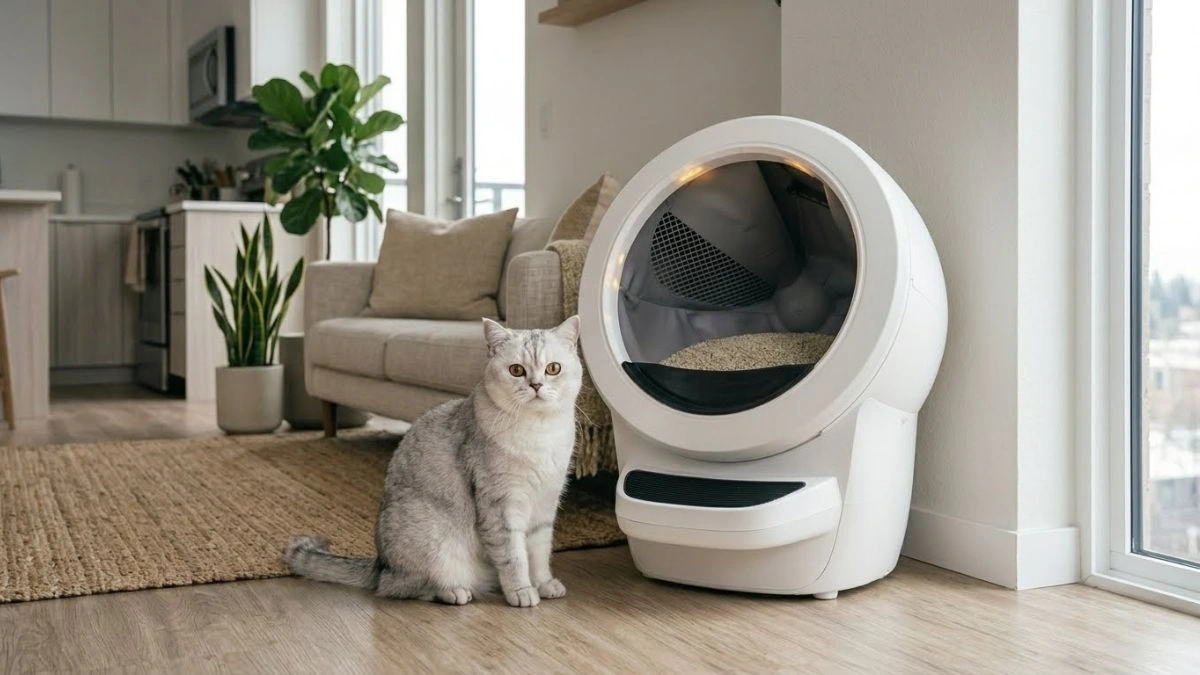
Best Automatic Litter Box for Small Apartments (2026): Compact Picks That Save Space and Control Odor
Can a self-cleaning litter box really keep a small apartment fresh, quiet, and clutter-free?
Living in a small apartment means every square foot matters. The right automatic litter box should save space, control odor, operate quietly, and make daily maintenance easier without taking over your living area.
Choosing the wrong model can lead to unpleasant smells, excessive litter tracking, noisy cleaning cycles, and a bulky footprint that makes your home feel even smaller. That’s why selecting a compact unit designed specifically for apartment living is so important.
Experts agree that interior space matters just as much as external dimensions. A cat should be able to enter, turn around comfortably, and use the litter box naturally. At the same time, apartment owners need reliable odor control, quiet operation, and simple maintenance routines.
The good news is that several modern self-cleaning litter boxes now offer all three. Models like the Litter-Robot 4, PetSafe ScoopFree Crystal Pro, and PetSafe SmartSpin combine compact designs with advanced cleaning systems that help keep small living spaces cleaner and more comfortable.
Key Takeaways
- Measure both your available floor space and your cat’s size before choosing a model.
- Prioritize strong odor control if the litter box is located near living or sleeping areas.
- Quiet operation is essential in apartments with shared walls or limited separation between rooms.
- Larger waste drawers reduce maintenance and help prevent odors from building up.
- Proper placement can improve both cat acceptance and long-term odor management.
Quick Answer: Top Picks for Small Spaces
If floor space is limited, you still have several excellent automatic litter box options that can keep odors under control while reducing daily cleaning.

The Litter-Robot 4 is the best overall choice thanks to its exceptional odor control, quiet operation, spacious interior, and large waste drawer.
For budget-conscious buyers, the PetSafe ScoopFree Crystal Pro offers reliable performance and simple maintenance.
If you want smart features without paying premium prices, the PetSafe SmartSpin provides an excellent balance between technology, convenience, and value.
Best Automatic Litter Box for Small Apartments at a Glance
- Best Overall: Litter-Robot 4
- Best Budget Pick: PetSafe ScoopFree Crystal Pro
- Best Smart Features: PetSafe SmartSpin
- Best Odor Control: Litter-Robot 4
- Best for Tight Corners: PetSafe ScoopFree Crystal Pro
These models help reduce scooping, improve odor control, and fit comfortably into smaller homes without sacrificing your cat’s comfort.
| Model | Space | Noise | Strength |
|---|---|---|---|
| Litter-Robot 4 | Compact footprint | Very quiet | Advanced sensors, large waste drawer |
| PetSafe Crystal Pro | Low profile | Low | Affordable, crystal tray system |
| PetSafe SmartSpin | Moderate | Moderate | Smart features at a mid-range price |
Pros
- Major time savings compared to manual scooping.
- Better odor control than traditional litter boxes.
- Ideal for apartments, condos, and small homes.
- Available options for single-cat and multi-cat households.
Cons
- Higher upfront cost on premium models.
- Some systems require proprietary consumables or replacement trays.
- Larger units may still require careful placement in very small apartments.
Esse formato está muito mais próximo do padrão que usamos nos seus artigos que costumam ficar com aparência de conteúdo de primeira página.
Why Apartment Living Requires Specialized Litter Solutions
In studio apartments, condos, and smaller homes, your cat’s litter box is often located just a few feet from where you sleep, work, or relax. That makes odor control, noise levels, and space efficiency far more important than they would be in a larger house.
Limited floor space makes every inch count. A bulky litter box can block walkways, clutter a room, and make a small apartment feel even more cramped. Choosing a compact automatic litter box helps maximize usable space while keeping daily maintenance simple.
Noise is another major concern for apartment owners. If a self-cleaning litter box runs loudly during the day or night, it can disturb your sleep, interrupt work-from-home routines, and even become noticeable through shared walls.
Effective cleaning matters even more in small living spaces. Poor ventilation allows odors to linger longer, making regular waste removal essential. Automatic litter boxes help reduce odor buildup by removing waste shortly after each use, helping keep the surrounding area fresher.
Why Automatic Litter Boxes Work Better in Apartments
- Compact footprints save valuable floor space.
- Automatic cleaning helps reduce odor buildup.
- Quiet operation improves comfort in shared living environments.
- Sealed waste drawers help contain smells.
- Less daily maintenance means more convenience.
Tip: If you have multiple cats, an automatic litter box can dramatically reduce the amount of daily cleaning required while helping maintain a fresher-smelling apartment. Choosing a compact, quiet, and odor-resistant model is often the best long-term solution.
Key Factors for Choosing the Best Automatic Litter Box for Small Apartments
Before buying an automatic litter box, it’s important to evaluate space, noise levels, odor control, and maintenance requirements. The best model for a small apartment should fit comfortably into your available space while keeping your home cleaner and fresher every day.
Start by measuring the area where the unit will sit. Consider floor space, clearance requirements, nearby furniture, and walking paths. Even a few extra inches can make a big difference in a studio apartment or condo.
Size Constraints and Footprint
A compact exterior is important, but so is the interior space. Your cat should be able to enter, turn around comfortably, and use the litter box naturally. A model that is too small may cause discomfort and reduce acceptance.
If you have multiple cats, prioritize units that offer a larger interior capacity without taking up excessive floor space.
Noise and Daily Life
Noise is often overlooked until the first cleaning cycle starts in the middle of the night.
Look for models with quiet motors, smooth cleaning mechanisms, and low operating noise levels. This is especially important if you work from home, live in a studio apartment, or share walls with neighbors.
The Litter-Robot 4, for example, is widely recognized for its quiet operation and advanced safety sensors, which automatically pause cleaning cycles if a cat re-enters the unit.
If noise is one of your biggest concerns, understanding the most common automatic litter box noise issues can help you choose a quieter model that better fits apartment living.
Odor, Tracking, and Maintenance
Strong odor control is one of the biggest advantages of an automatic litter box, especially in smaller living spaces.
- Odor Control: Sealed waste drawers and effective filtration systems help contain unpleasant smells.
- Litter Tracking: Low-tracking litter and well-designed entry areas help keep floors cleaner.
- Maintenance: Easy-empty waste drawers and simple cleaning routines reduce the amount of work required each week.
- Waste Capacity: Larger waste drawers require less frequent emptying and help prevent odor buildup.
Safety Matters Too
Modern automatic litter boxes should include responsive safety sensors, weight detection systems, and anti-pinch technology. These features help prevent accidents and provide peace of mind when you’re away from home.
Choosing a model that balances size, comfort, odor control, noise reduction, and safety will provide the best long-term experience for both you and your cat.
Comparing Leading Models for Compact Living
Not all automatic litter boxes are equally suited for apartment living. While many models advertise a compact footprint, entry size, waste capacity, noise levels, and odor control often have a much bigger impact on everyday use.
The Litter-Robot 4 stands out because it combines a relatively compact footprint with a spacious interior, large waste drawer, and exceptionally quiet operation. For many apartment owners, this balance makes it one of the easiest models to live with long term.
The PETKIT PuraMax 2 takes a different approach. Its footprint works well in tighter spaces, and the app-based controls provide added convenience. However, its smaller entry opening may feel restrictive for larger cats that prefer extra room when entering or turning around.
The PetSafe ScoopFree Crystal Pro remains a popular option for smaller homes because of its low-profile design, simple maintenance routine, and effective crystal litter system. It is particularly attractive for owners who want a straightforward solution without advanced smart features.
“Entry size and interior space often matter more than overall dimensions when choosing an automatic litter box.”
Quick Comparison
- Best Overall: Litter-Robot 4
- Best for Tight Spaces: PETKIT PuraMax 2
- Best Budget-Friendly Option: PetSafe ScoopFree Crystal Pro
- Best Odor Control: Litter-Robot 4
- Best Low-Maintenance Choice: PetSafe ScoopFree Crystal Pro
What Matters Most?
- Entry Size: Larger openings help cats feel more comfortable and reduce adjustment issues.
- Waste Capacity: Larger drawers require less frequent emptying and help control odors.
- Noise Levels: Quiet operation is especially important in apartments and condos.
- Odor Management: Sealed waste compartments and filtration systems improve indoor air quality.
- Long-Term Convenience: Smart monitoring and larger waste storage can significantly reduce maintenance.
If you’re still comparing premium models, our detailed Litter-Robot 4 vs other automatic litter boxes comparison breaks down the biggest differences in performance, odor control, noise levels, and overall value.
Deep Dive into the Litter-Robot 4
The Litter-Robot 4 is widely considered one of the best automatic litter boxes for apartment living because it combines excellent odor control, quiet operation, advanced safety features, and a spacious interior in a relatively compact footprint.
For apartment owners, the biggest advantage is convenience. The system automatically separates waste after each use, reducing daily scooping while helping keep odors under control in smaller living spaces.
If you want a complete breakdown of features, performance, and real-world experience, our detailed Litter-Robot 4 review covers everything you need to know before buying.
Smart Features
The Whisker app allows you to monitor usage, receive waste drawer notifications, and track activity directly from your phone.
One particularly useful feature is the ability to monitor visit frequency and weight trends, which may help identify changes in your cat’s routine over time.
The system also receives firmware updates, helping improve performance and reliability without requiring additional hardware upgrades.
Advanced Safety Technology
The Litter-Robot 4 uses multiple sensors and safety mechanisms designed to protect your cat during operation.
Responsive sensors immediately pause a cleaning cycle if a cat re-enters the unit, while advanced monitoring systems help prevent accidental movement when the litter box is occupied.
This combination of safety and automation makes it one of the most trusted options available today.
Waste Drawer Capacity
One of the biggest advantages of the Litter-Robot 4 is its large 10-liter waste drawer.
Compared with smaller automatic litter boxes, the larger capacity means less frequent emptying, reduced maintenance, and better odor management, especially for households with multiple cats.
Why It Works Well in Apartments
- Large 10-liter waste drawer reduces maintenance.
- Quiet cleaning cycles help minimize disruption.
- Advanced sensors improve safety and reliability.
- Spacious entry allows cats to enter and turn comfortably.
- Strong odor control helps keep small spaces fresher.
“The combination of smart monitoring, quiet operation, and excellent odor control makes the Litter-Robot 4 one of the strongest long-term investments for apartment owners.”
Evaluating the PetSafe ScoopFree Crystal Pro
The PetSafe ScoopFree Crystal Pro takes a different approach from most automatic litter boxes by using crystal litter instead of traditional clumping litter. This system is designed to absorb moisture quickly while helping reduce odors and daily maintenance.
For apartment owners, one of the biggest advantages is its low-profile design and simple operation. The unit takes up relatively little space and requires minimal interaction compared to traditional litter boxes.
How It Works
Instead of forming clumps, the crystal litter absorbs urine and helps dry solid waste. A timed rake automatically moves waste into a covered compartment approximately 20 minutes after your cat leaves the box, helping reduce odor while avoiding sudden movement that could startle your pet.
This simple cleaning mechanism makes the ScoopFree Crystal Pro one of the easiest automatic litter boxes to use for first-time buyers.
Crystal Litter Benefits
Crystal litter offers several advantages for apartment living:
- Excellent moisture absorption helps reduce odor buildup.
- Lower tracking compared to many clay-based litters.
- Less daily maintenance for busy owners.
- Disposable trays make cleanup quick and simple.
- Compact design fits well in smaller homes and apartments.
The system also includes safety sensors that ensure cleaning cycles only occur when your cat is no longer using the litter box.
Is It a Good Choice for Small Apartments?
For owners who prioritize simplicity, odor control, and easy maintenance, the PetSafe ScoopFree Crystal Pro remains one of the strongest budget-friendly options available.
While it lacks some of the advanced smart features found in premium models, its straightforward design and reliable performance make it particularly attractive for smaller living spaces.
If you’re wondering whether automatic systems are actually worth the investment, our guide on do automatic litter boxes really work explains the real-world benefits, limitations, and long-term value of these systems.
Performance of the PETKIT PuraMax 2
The PETKIT PuraMax 2 is one of the most popular automatic litter boxes for apartment owners who want a combination of smart features, compact design, and effective odor management.
Its relatively space-efficient footprint makes it easier to place in apartments, condos, and smaller homes where every square foot matters. At the same time, the built-in app allows owners to monitor cleaning cycles, waste levels, and usage patterns remotely.
Odor Control Performance
One of the PuraMax 2’s standout features is its odor eliminator system, which helps reduce ammonia and urine odors before they spread throughout the room.
This feature can be especially valuable in apartments where litter boxes are often located close to living rooms, bedrooms, or workspaces.
Litter Compatibility
Unlike systems that require proprietary litter, the PuraMax 2 works with most high-quality clumping litters, giving owners greater flexibility when choosing products based on odor control, dust levels, and budget.
However, it is not designed for crystal litter systems, so users should follow PETKIT’s recommended litter guidelines for optimal performance.
Smart Features and Safety
The PETKIT app provides real-time monitoring and notifications, allowing you to check cleaning activity even when you’re away from home.
Advanced sensors continuously monitor the unit and automatically pause cleaning cycles whenever a cat is detected inside or near the litter box. This helps improve both safety and reliability.
Potential Limitation
While the PuraMax 2 performs well in compact spaces, its entry opening is smaller than some competing models.
For smaller and average-sized cats, this is rarely a problem. However, owners of larger breeds may prefer a model with a more spacious entry and interior chamber.
| Feature | Benefit | Best For |
|---|---|---|
| Odor Eliminator | Helps reduce ammonia odors | Small apartments and condos |
| Clumping Litter Compatible | Greater litter flexibility | Owners who prefer clumping litter |
| Smart App Monitoring | Remote notifications and tracking | Busy owners |
| Advanced Safety Sensors | Safer automated cleaning | Multi-cat households |
| Compact Footprint | Easier placement | Smaller living spaces |
Bottom Line
If you’re looking for a compact, app-connected automatic litter box with strong odor control and modern smart features, the PETKIT PuraMax 2 is a strong choice for apartment living.
However, if you own a larger cat, you may want to compare entry sizes and interior space before making a final decision. Our guide to the best automatic litter box for large cats can help you determine which models provide the most comfortable experience.
Understanding Safety Sensors and Anti-Pinch Technology

Modern automatic litter boxes are significantly safer than older designs thanks to advanced sensors, weight detection systems, and anti-pinch technology.
For apartment owners, these safety features provide peace of mind by ensuring the litter box only operates when it is safe to do so. A well-designed system can automatically detect your cat’s presence and pause cleaning cycles whenever necessary.
How Safety Sensors Work
Most premium automatic litter boxes use weight sensors, motion sensors, or infrared detection systems to monitor activity around the unit.
When a cat enters the litter box, the sensors detect its presence and prevent the cleaning cycle from starting. Once the cat leaves and the area is clear, the system waits for a preset period before beginning the cleaning process.
This helps reduce stress while ensuring waste is removed efficiently.
What Is Anti-Pinch Technology?
Anti-pinch technology acts as an additional layer of protection.
If the system detects unexpected resistance during movement, such as a paw, tail, or other obstruction, the motor immediately stops and reverses direction.
This feature is especially important in households with curious cats that may approach the unit while it is cycling.
Why These Features Matter
Modern safety systems provide several important benefits:
- Prevent accidental contact during cleaning cycles.
- Reduce the risk of injury or trapping.
- Improve reliability and user confidence.
- Allow automated cleaning without constant supervision.
- Create a safer experience for kittens, adults, and senior cats.
Safety Features to Look For
Before purchasing any automatic litter box, make sure it includes:
- Weight detection sensors.
- Anti-pinch protection.
- Automatic cycle interruption.
- Emergency stop mechanisms.
- Reliable safety certifications.
Bottom Line
Safety sensors and anti-pinch technology are no longer optional features—they are essential components of a high-quality automatic litter box.
If safety is one of your top concerns, our detailed guide on are automatic litter boxes safe for cats explains the most important safety features, common misconceptions, and what owners should know before buying.
Managing Odor Control in Shared Walls and Tight Quarters
In apartments, condos, and other compact living spaces, odor control is often the biggest concern for cat owners. Even minor litter box odors can spread quickly through bedrooms, living areas, ventilation systems, and shared walls.
That’s why choosing an automatic litter box with effective filtration, sealed waste storage, and consistent cleaning cycles can make a significant difference in everyday comfort.
Carbon Filters and Odor Reduction
Carbon filters are one of the most effective tools for controlling litter box odors.
They help capture ammonia, urine odors, and airborne particles before they spread throughout your home. However, filters gradually lose effectiveness over time and should be replaced according to the manufacturer’s recommendations.
A neglected filter can quickly reduce the overall odor-control performance of even the best automatic litter box.
Carbon Filters and Seal Integrity
While filters play an important role, seal quality is equally important.
A tightly sealed waste drawer helps prevent odors from escaping into the room between cleaning cycles. Premium automatic litter boxes often use enclosed waste compartments specifically designed to contain odors more effectively.
Inspect seals, gaskets, and waste drawer components periodically to ensure they remain in good condition.
Additional Ways to Reduce Odors
For the best results:
- Use a high-quality clumping litter designed for automatic litter boxes.
- Choose models with enclosed waste compartments.
- Replace carbon filters regularly.
- Empty the waste drawer before it becomes completely full.
- Place the unit in a well-ventilated area whenever possible.
- Follow a consistent cleaning schedule.
Why Odor Control Matters More in Apartments
In larger homes, odors often dissipate naturally. In smaller apartments, however, smells can linger for much longer and become noticeable throughout the entire living space.
A combination of strong filtration, sealed waste storage, regular maintenance, and proper litter selection provides the most effective long-term odor control.
“The best odor-control strategy isn’t a single feature—it’s the combination of filtration, waste containment, quality litter, and regular maintenance.”
Bottom Line
If persistent odor is one of your biggest frustrations, understanding the most common automatic litter box odor problems and how to fix them can dramatically improve your experience with any automatic litter box.
Strategies for Reducing Litter Tracking on Small Floors
In small apartments, even a small amount of litter tracking can quickly become noticeable. Granules that stick to your cat’s paws often spread across floors, rugs, and furniture, making your living space feel less clean.
Fortunately, a few simple strategies can dramatically reduce litter tracking and help keep your apartment tidier.
Start with a Quality Litter Mat
A large textured litter mat is one of the most effective ways to trap loose litter before it spreads throughout your home.
Look for mats with deep grooves, raised patterns, or dual-layer designs that capture granules as your cat exits the litter box.
Choose a Low-Tracking Litter
Not all litters perform the same when it comes to tracking.
High-quality low-dust, low-tracking clumping litters are generally less likely to stick to paws and scatter throughout your apartment. Heavier granules also tend to stay closer to the litter box area.
If you’re unsure which litter performs best, our guide to the best cat litter for automatic litter boxes compares some of the most effective options for odor control, dust reduction, and tracking prevention.
Keep the Area Clean
Small messes become larger problems when ignored.
A quick daily sweep, handheld vacuum session, or spot cleanup around the litter box can prevent litter from accumulating and spreading to other areas of your apartment.
Additional Tracking Reduction Tips
- Choose litter boxes with ramps or larger exit areas.
- Keep litter levels within the manufacturer’s recommended range.
- Adjust placement if your cat tends to kick litter outside the box.
- Trim excess fur around paw pads if recommended by your veterinarian.
- Clean the surrounding area regularly to prevent buildup.
| Strategy | Why It Works | Best For |
|---|---|---|
| Textured Litter Mat | Captures litter at the exit | All apartment sizes |
| Low-Tracking Litter | Reduces litter stuck to paws | Small apartments |
| Daily Quick Cleanup | Prevents litter accumulation | High-traffic homes |
| Proper Litter Depth | Reduces excessive digging | Active cats |
| Ramp or Step Entry | Helps remove loose granules | Tracking-prone cats |
“Consistent daily habits often reduce litter tracking more effectively than changing litter boxes alone.”
Bottom Line
Reducing tracking starts with choosing the right litter, maintaining a clean exit area, and creating a simple maintenance routine that fits your lifestyle.
Optimal Placement Options for Studio Apartments and Condos
Choosing the right location is just as important as choosing the right automatic litter box. Even the best model can perform poorly if it is placed in an area that is too noisy, too crowded, or difficult for your cat to access.
In apartments and condos, the goal is to balance privacy, odor control, convenience, and available space while ensuring your cat feels comfortable using the litter box every day.
Best Locations for an Automatic Litter Box
Bathrooms, laundry rooms, and low-traffic utility spaces are often the best choices.
These areas help contain odors, provide easy access to power outlets, and keep the litter box away from the busiest parts of the home.
Whenever possible, choose a location where your cat can access the litter box without interruptions or excessive noise.
Avoid High-Traffic Areas
Cats generally prefer quiet and predictable environments.
Placing a litter box in a busy hallway, near a frequently used doorway, or in a noisy entertainment area can discourage use and increase stress.
A quiet corner often works better than a central location, especially in studio apartments where space is limited.
Leave Enough Clearance
Before finalizing placement, make sure there is enough room for:
- The litter box to complete cleaning cycles safely.
- The waste drawer to open fully.
- Your cat to enter and exit comfortably.
- Routine cleaning and maintenance access.
Even a few inches of extra clearance can improve usability and long-term convenience.
Test Different Locations
If you’re unsure where to place the unit, try a location for several days and monitor your cat’s behavior.
Most app-connected litter boxes allow you to track usage patterns, helping you identify whether your cat is comfortable with the chosen location.
If usage decreases after moving the litter box, the placement may need adjustment.
Quick Placement Checklist
- Near a power outlet.
- Away from high-traffic areas.
- Good ventilation when possible.
- Enough clearance for drawer access.
- Easy access for your cat.
- Away from food and water stations
“The best location is one that provides privacy for your cat, convenience for you, and enough space for the system to operate properly.”
Bottom Line
Finding the right location can significantly improve odor control, reduce stress, and increase the likelihood that your cat will consistently use the litter box.
If you’re still deciding where to place your unit, our detailed guide on automatic litter box placement covers the most common mistakes and the best locations for every type of home.
How to Acclimate Your Cat to a New Automatic System

Introducing an automatic litter box too quickly is one of the most common reasons cats reject it. The transition should be gradual, allowing your cat to become comfortable with the new environment before the automatic cleaning features are activated.
Most cats adapt successfully when the process is slow, predictable, and positive.
Keep the Old Litter Box Available
Do not remove your cat’s existing litter box immediately.
Keep both litter boxes available for at least one to two weeks so your cat can explore the new system at its own pace. This reduces stress and helps prevent accidents during the transition period.
Use Familiar Scents
Cats rely heavily on scent when deciding whether a litter box feels safe.
Place a small amount of used litter from the old box into the new automatic litter box. The familiar smell helps your cat recognize the new unit as an appropriate bathroom location.
Start with the Automatic Features Turned Off
For the first few days, leave the automatic cleaning function disabled.
This allows your cat to become comfortable entering and exiting the unit without being startled by movement or noise.
Once your cat is using the litter box consistently, gradually enable the automatic cleaning cycle.
Monitor Your Cat’s Behavior
Pay attention to signs of hesitation, stress, or avoidance.
Most modern automatic litter boxes include app monitoring features that allow you to track usage patterns and identify changes during the adjustment period.
If your cat stops using the litter box after a change, slow down the transition and give them more time.
Helpful Transition Tips
- Reward successful visits with praise or treats.
- Place the litter box in a quiet, low-traffic area.
- Avoid changing litter types during the transition.
- Maintain a consistent routine whenever possible.
- Be patient and allow your cat to adjust at its own pace.
Common Adjustment Mistakes
Many owners accidentally make the transition harder by:
- Removing the old litter box too soon.
- Activating automatic cleaning immediately.
- Frequently changing the litter box location.
- Using unfamiliar litter during the adjustment period.
- Forcing interactions with the new unit.
“Patience, consistency, and familiarity are the three most important factors when introducing an automatic litter box.”
Bottom Line
Most cats can successfully adapt to an automatic litter box when introduced gradually. The key is allowing your cat to build confidence before expecting them to fully embrace the new system.
If you’re planning to switch your cat to an automatic litter box, our complete guide on how to introduce a cat to an automatic litter box provides a step-by-step transition plan that minimizes stress and improves acceptance.
Maintenance Routines for Long-Term Reliability
Regular maintenance is the key to keeping an automatic litter box running efficiently, controlling odors, and avoiding costly repairs. Even the most advanced models require routine care to maintain peak performance over the long term.
A simple maintenance routine not only improves reliability but also helps extend the lifespan of the unit while reducing unexpected issues.
Weekly Cleaning Routine
The easiest way to prevent problems is through consistent weekly maintenance.
Wipe down interior and exterior surfaces to remove dust, litter residue, and waste buildup. This helps prevent false sensor readings, unpleasant odors, and reduced cleaning performance.
Pay special attention to:
- Entry areas
- Waste drawer openings
- Sensor locations
- High-contact surfaces
Small weekly cleanings are often enough to prevent larger problems later.
Deep Cleaning Protocols
Even self-cleaning litter boxes require occasional deep cleaning.
Every one to three months, empty the waste drawer, remove washable components, and clean all recommended surfaces using warm water and mild soap.
Allow every component to dry completely before reassembly to avoid:
- Odor buildup
- Mold growth
- Sensor malfunctions
- Mechanical issues
Inspect Seals and Filters
Many owners focus on cleaning but forget about seals and filters.
Over time, worn seals can allow odors to escape, while old carbon filters gradually lose effectiveness.
Regularly inspecting these components helps maintain strong odor control and overall system performance.
Sensor Recalibration
If the unit begins reporting incorrect waste levels, weight measurements, or cleaning status, recalibration may be necessary.
Most modern systems allow recalibration through the mobile app or by following manufacturer instructions.
To improve accuracy:
- Clean weight sensors monthly.
- Wipe motion sensors regularly.
- Install firmware updates when available.
- Check calibration settings after deep cleaning.
Create a Simple Maintenance Schedule
One of the easiest ways to prevent neglect is by following a consistent maintenance routine.
A simple schedule can include:
✔ Weekly surface cleaning
✔ Monthly sensor inspection
✔ Monthly filter check
✔ Quarterly deep cleaning
✔ Regular firmware updates
Why Maintenance Matters
Many automatic litter box problems are caused by delayed cleaning, neglected sensors, or poor maintenance habits rather than actual mechanical failures.
Following a consistent routine helps improve reliability, odor control, and long-term performance.
“Small maintenance tasks performed regularly are often the difference between years of reliable operation and frequent troubleshooting.”
Bottom Line
A well-maintained automatic litter box will stay cleaner, operate more reliably, and provide better odor control over time.
If you want a complete maintenance schedule, troubleshooting checklist, and cleaning recommendations, our guide on automatic litter box maintenance covers everything you need to keep your system running smoothly.
Comparing Features and Footprints
When choosing an automatic litter box for a small apartment, footprint size is only part of the equation. A compact unit may save floor space, but factors like waste capacity, odor control, noise levels, and maintenance requirements often have a greater impact on daily life.
Before buying, measure not only the unit itself but also the surrounding clearance needed for cleaning cycles, waste drawer access, and routine maintenance.
Why Footprint Matters
In apartments and condos, even a few extra inches can affect how comfortably a litter box fits into your available space.
The Litter-Robot 4 measures approximately 22 × 27 inches, providing a spacious interior and large waste drawer while maintaining a relatively apartment-friendly footprint.
The PETKIT PuraMax 2 measures approximately 24.4 × 21.2 inches and may fit more easily into narrow corners because of its shape and layout.
Meanwhile, the PetSafe ScoopFree Crystal Pro uses a lower-profile design that works well in tighter spaces and smaller rooms.
Features That Matter Most
When comparing models, focus on features that improve everyday convenience:
- Large waste drawers reduce maintenance frequency.
- Strong odor control keeps apartments fresher.
- Quiet motors minimize disruption.
- App monitoring adds convenience and tracking.
- Advanced safety sensors improve reliability.
Choosing the right balance between footprint and functionality is often more important than choosing the smallest model available.
| Model | Footprint | Key Advantages |
|---|---|---|
| Litter-Robot 4 | 22 × 27 inches | Large waste drawer, app alerts, quiet operation |
| PETKIT PuraMax 2 | 24.4 × 21.2 inches | Odor eliminator, smart monitoring, compact design |
| PetSafe ScoopFree Crystal Pro | Low-profile design | Crystal litter system, simple maintenance, budget-friendly |
Apartment Owner Checklist
Before making a final decision, ask yourself:
✔ Will the unit fit comfortably in my available space?
✔ Can I easily access the waste drawer?
✔ Does it provide enough interior room for my cat?
✔ Will the noise level be acceptable in my apartment?
✔ How much maintenance will be required each week?
“The best automatic litter box isn’t necessarily the smallest one—it’s the one that provides the best balance between comfort, convenience, and available space.”
Bottom Line
Small differences in footprint can significantly affect usability, maintenance, and overall satisfaction. Always compare dimensions, interior space, and daily convenience before making a purchase decision.
If you’re still deciding whether the investment makes sense, our guide on automatic litter box worth it for busy owners explains the real-world benefits, time savings, and long-term value of modern self-cleaning systems.
What to Avoid When Shopping for Compact Litter Boxes
Not every automatic litter box marketed for small apartments is actually a good choice. Many models look appealing at first but reveal important drawbacks after a few weeks of daily use.
Avoiding these common mistakes can save you money, reduce frustration, and help ensure your cat has a safer and more comfortable experience.
Don’t Focus Only on Size
A smaller litter box is not always a better litter box.
Many ultra-compact models sacrifice interior space, waste capacity, and cat comfort in order to reduce their footprint. If your cat cannot comfortably enter, turn around, and exit the unit, long-term acceptance may become a problem.
Avoid Poor Safety Systems
Safety should always be a priority.
Be cautious of models that lack:
- Reliable weight sensors
- Anti-pinch technology
- Automatic cycle interruption
- Modern safety monitoring systems
A well-designed automatic litter box should immediately stop operation whenever a cat is detected.
Don’t Ignore Waste Drawer Capacity
One of the biggest mistakes buyers make is choosing a unit with a waste drawer that is too small.
A limited waste capacity means:
- More frequent emptying
- Faster odor buildup
- Reduced convenience
- Higher maintenance requirements
For apartment living, larger waste drawers often provide a much better experience.
Be Careful with Cheap or Unknown Brands
Low prices can be tempting, but extremely inexpensive models often cut corners in important areas.
Common issues include:
- Poor odor control
- Unreliable sensors
- No software support
- Limited replacement parts
- Short product lifespan
Choosing a proven model usually results in lower long-term costs and fewer problems.
Don’t Overlook Maintenance Requirements
Some units appear convenient until it’s time to clean them.
Before buying, verify that the litter box can be:
- Easily disassembled
- Deep cleaned without difficulty
- Maintained without special tools
- Supported with replacement parts and accessories
A complicated cleaning process often leads to poor maintenance habits and reduced performance over time.
Quick Buying Checklist
Before purchasing, make sure the litter box offers:
✔ Adequate interior space
✔ Strong safety features
✔ Good odor control
✔ Sufficient waste capacity
✔ Reliable app support (if applicable)
✔ Simple maintenance procedures
“The best automatic litter box is not the cheapest or the smallest—it’s the one that provides the best balance of safety, comfort, reliability, and convenience.”
Bottom Line
Avoiding common buying mistakes is just as important as choosing the right features. A little extra research now can prevent years of frustration later.
If you’re comparing different models and wondering which mistakes owners regret most, our guide on automatic litter box mistakes covers the most common buying and setup errors—and how to avoid them.
Conclusion
Finding the best automatic litter box for a small apartment isn’t just about choosing the most compact model. The ideal system should provide strong odor control, quiet operation, reliable safety features, and enough interior space for your cat to use comfortably.
For most apartment owners, the biggest priorities are reducing daily maintenance, minimizing odors, and preserving valuable living space. Models like the Litter-Robot 4, PETKIT PuraMax 2, and PetSafe ScoopFree Crystal Pro each offer different advantages depending on your budget, available space, and lifestyle.
Remember that even the best automatic litter box performs better when paired with proper placement, regular maintenance, quality litter, and a gradual introduction process for your cat.
By focusing on comfort, convenience, safety, and long-term reliability, you can create a cleaner, fresher, and more enjoyable living environment for both you and your cat.
The best automatic litter box for a small apartment is the one that fits your space, supports your cat’s needs, and makes everyday life easier.
If you’re still comparing options, our complete guide to the best automatic litter box 2026 can help you find the right model based on your budget, home size, and cat’s specific needs.
Small Apartment FAQ
What is the best automatic litter box for a small apartment?
The Litter-Robot 4 is often considered the best overall option for small apartments because it combines excellent odor control, quiet operation, advanced safety features, and a large waste drawer. Other strong alternatives include the PETKIT PuraMax 2 and PetSafe ScoopFree Crystal Pro, depending on your budget and space requirements.
Are automatic litter boxes too noisy for apartment living?
Most modern automatic litter boxes are designed to operate quietly. Premium models use low-noise motors, delayed cleaning cycles, and advanced safety sensors that help minimize disruption in apartments, condos, and other shared living environments.
How can I reduce litter box odors in a small apartment?
The most effective approach combines strong odor-control litter, sealed waste storage, regular maintenance, and proper placement. Automatic litter boxes help by removing waste shortly after use, reducing the time odors remain exposed inside your home.
Where should I place an automatic litter box in a studio apartment?
The best locations are typically bathrooms, laundry areas, utility spaces, or quiet corners away from heavy foot traffic. Choose a location with adequate ventilation, access to power, and enough clearance for cleaning and maintenance.
Is the Litter-Robot 4 worth it for apartment owners?
For many apartment owners, the Litter-Robot 4 is worth the investment because of its large waste capacity, strong odor control, quiet operation, and smart monitoring features. These benefits can significantly reduce daily maintenance while improving overall convenience.
How often should I empty the waste drawer?
For a single-cat household, most automatic litter boxes require emptying every 5 to 10 days, depending on drawer capacity and usage. Multi-cat homes may require more frequent emptying to maintain optimal odor control.
How do I help my cat adjust to an automatic litter box?
Successful transitions happen gradually. Keep the old litter box available, use familiar litter, disable automatic cleaning during the first few days, and allow your cat to explore the new system at its own pace. Most cats adapt successfully when the process is slow, consistent, and stress-free.