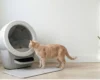
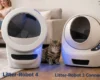
Best Automatic Litter Box for Cats (2026): 3 Self-Cleaning Litter Boxes Compared
“Affiliate Disclosure: As an Amazon Associate, we earn from qualifying purchases. This post may contain affiliate links, which means we may receive a small commission if you purchase through our links, at no additional cost to you. This helps support our website and allows us to continue providing helpful reviews and guides for cat owners.”
Surprising fact: recent lab tests show one smart unit cut daily scooping time by over 80% while still requiring monthly deep cleaning.

We tested the top premium models to set realistic expectations for busy, tech-forward US households.
We’ll compare the Litter-Robot 4, PETKIT Pura Max, and PetSafe ScoopFree and focus on safety sensors, odor control, and smart notifications that stop surprises.
Our aim is clear: balance performance, pet safety, and ownership friction rather than chase upfront price alone.
Highlights we’ll explore include Litter-Robot 4’s data tracking and quiet operation, PETKIT’s compact smart design, and ScoopFree’s crystal-tray convenience.
We’ll base pros and cons on lab notes and technical specs while avoiding overreach when sources lack detail.
Key Takeaways
- Premium units reduce daily scooping but shift work to periodic emptying and cleaning.
- Litter-Robot 4 stands out for sensors, app data, and quiet operation.
- PETKIT Pura Max offers a compact smart option for smaller spaces.
- ScoopFree simplifies waste handling with disposable trays and crystal litter.
- We prioritize safety, odor control, and low ownership friction over low price.
Why we’re comparing premium self-cleaning litter boxes for US homes
We compared premium self-cleaning units to see how they change daily care and long-term upkeep in typical US homes.
Practical meaning: an automatic self-cleaning unit runs a cleaning cycle after a cat leaves, separating solid waste so owners avoid scooping multiple times per day.
That said, automatic systems do not remove all owner work. They convert frequent scooping into periodic tasks: emptying a waste drawer or swapping a tray, topping off litter, and scheduled deep cleaning every few weeks.
Who benefits most
Multi-cat homes need throughput and robust odor control. Small apartments want compact footprints and quiet cycles. Homes with seniors or kittens require low entry heights and reliable sensor-based safety.
What we prioritized
- Safety: sensors that pause cycles if a pet is present.
- Odor control: sealed storage, filters, and absorbent media that limit odors between emptying days.
- Quiet operation: to allow placement in living areas without disturbance.
- Cleaning effort: total maintenance over months and years, not just first-week setup.
We framed this comparison around cat safety and owner ease-of-cleaning while focusing on Litter-Robot’s rotating drum and the rake-and-crystal approach used by PetSafe ScoopFree.
Quick comparison snapshot of our top picks
Use this concise table to match a model to your home. We focus on waste workflow, required space, and safety so you can self-select fast.
Automation + data: Litter-Robot 4
Why pick it: robust app tracking (use, weight, litter and waste levels), whisper-quiet cycling, and a pullout waste drawer.
Who it suits: multi-cat homes and owners who want health data and low daily hands-on time.
Safety note: sensor pausing prevents cycles with a pet inside; check entry height for kittens and seniors.
Hands-off disposable system: PetSafe ScoopFree
Why pick it: a tray-based workflow—swap a full disposable tray instead of emptying a drawer.
Who it suits: apartment dwellers and owners who prefer simple monthly swaps over frequent emptying.
Safety note: rake pauses if the pet returns mid-cycle; crystals absorb urine but may feel different under paws.
Compact smart option: PETKIT Pura Max
Why pick it: compact design with app-first controls and a small footprint for tight space situations.
Who it suits: single-cat homes or small-room setups where design and app control matter most.
Safety note: the unit uses safety sensors to reduce pinch risk; capacity limits may affect heavy use.
“Pick the model that matches your daily routine: drawer-based data systems reduce day-to-day chores, while tray systems trade waste handling for simple monthly swaps.”
How to choose the best automatic litter box for cats
Picking a premium unit should hinge on safety sensors, how it handles smells, and the daily cleaning load. Start by listing what matters most in your home: multi-cat traffic, bedroom placement, or minimal hands-on work.
Deep Dive: If you want to see our long-term testing results and hidden features, read our Comprehensive Litter-Robot 4 Review.
Safety features that matter
Sensor-based pause/stop is a must. Premium models must not start a cycle while a pet is inside.
We note Litter-Robot uses entrance motion and weight sensing and won’t run with a cat present; kittens under 3 pounds need caution.
Odor control approaches
Three architectures matter: sealed waste drawer plus carbon filter, absorbent crystal media, or strong ventilation. A sealed waste drawer limits odors between emptying days. Crystal cat litter absorbs urine and reduces smell but changes feel under paws.
Noise and placement
quieter cycling lets you place the unit near bedrooms or living rooms. Louder mechanisms force distant placement and add maintenance friction.
Cleaning workload and access
Expect three recurring tasks: emptying (waste drawer or disposable tray), topping up litter, and scheduled deep cleaning.
We compare drawer-based systems (pull-out emptying) with ScoopFree’s tray swap and units that need teardown wipe-downs.
| Requirement | What to check | Why it matters |
|---|---|---|
| Safety | Motion + weight sensors; minimum weight threshold | Prevents cycles with a cat inside and avoids injury |
| Odor control | Sealed drawer, carbon filter, or crystal media | Determines how long odor stays low between visits |
| Space & entry | Footprint (inches) and entry height | Ensures seniors, kittens, and tripod pets can access reliably |
| Cleaning style | Waste drawer vs disposable tray vs deep clean | Affects recurring effort, cost, and mess management |
Practical checklist
- Measure footprint plus clearance to pull out a waste drawer or tray.
- Confirm proximity to a power outlet for plug-in models like the Litter-Robot (29.5 x 22 x 27 inches).
- Check manufacturer guidance on clumping litter, crystal litter, or regular litter limits.
Litter-Robot 4 overview: odor trap technology, multi-cat weight tracking, and quiet operation
The Litter‑Robot 4 blends a rotating drum and app tracking to reduce daily scooping and surface‑level odor. Its front‑load, washer‑style drum sifts usable litter through a grate while solid clumps drop into a pullout waste drawer.
How the rotating cleaning cycle separates clumps into a waste drawer
The unit waits briefly after a visit, then begins a slow cleaning cycle that turns the drum and isolates clumps. Usable litter falls back through the grate while solids slide into the sealed drawer below.
Odor management and the waste drawer system
By isolating waste in a covered drawer, the design limits ongoing odor between emptying sessions. Regular drawer checks keep smells low and make routine maintenance predictable.
Multi‑cat weight tracking and visit monitoring in the Whisker app
Whisker syncs visit counts, weight trends, and waste alerts to the app so we can spot changes across multiple pets. Weight tracking helps detect health shifts and supports targeted monitoring in busy homes.
Whisper‑quiet operation and what testers noticed in real homes
Testers noted how quietly the unit cycles—often quieter than a dishwasher—so placement near living areas is realistic. It is barely noticeable unless you are standing next to it.
Safety sensors: motion + weight detection that pauses cycles when a cat is present
Entrance motion and weight sensors prevent a cycle from starting with a pet inside and pause if a cat returns mid‑cycle. Note: kittens under about 3 pounds may need supervision during setup.
Litter-Robot 4 pros and cons based on customer feedback and technical specs
We summarize what owners and testers repeatedly noted about the Litter‑Robot 4 so you can weigh safety, maintenance, and space needs before buying.
Safety and cat confidence
Motion and weight sensors stop a cleaning cycle if a pet is inside or returns mid‑cycle. That behavior reduces pinch risk and builds trust with skittish animals.
Low‑weight caution: kittens under about 3 pounds may not trigger weight thresholds reliably during setup, so supervised use is wise at first.
Owner convenience and daily workflow
Set‑and‑forget rhythm: the rotating drum shifts daily scooping into periodic emptying. We found the pullout drawer makes disposal fast and mess‑limited.
Smart alerts: the app notifies us about full drawer and cycle errors, which cuts surprise maintenance time.
Size, placement, and visual impact
The unit is large—roughly 29.5 x 22 x 27 inches in many specs—so measure doorways and power proximity before you commit. The open entry can make the litter more visible than a hooded alternative, which matters in living spaces.
Performance quirks and upkeep
Certain litter types may stick inside the drum and affect level sensors. Verify compatibility with your chosen media to avoid false full alerts.
Monthly teardown cleaning is recommended. Initial disassembly has a learning curve, but reassembly gets faster with practice.
Ownership notes
Standard grocery bags can be too small for the drawer. Many owners prefer larger bag sizes or the brand’s liners to simplify disposal.
App learning curve: the app adds value, but it takes a few days to tune alerts and understand usage data.
| Aspect | What we observed | Owner action |
|---|---|---|
| Safety | Motion + weight sensors; pauses if pet present | Supervise small kittens; verify sensor thresholds |
| Footprint | ~29.5 x 22 x 27 inches; requires outlet | Measure doorways and clearance before placement |
| Waste handling | Pullout drawer; supports liners | Use larger bags or brand liners to avoid spills |
| Maintenance | Monthly teardown recommended; occasional sticking | Plan a monthly deep clean and test litter compatibility |
PETKIT Pura Max overview: compact design, xSecure safety system, and smart app control
This section examines how PETKIT Pura Max balances a compact footprint with clear safety features and useful app-driven monitoring. We focus on the real benefits owners see when space is limited and daily care needs to be simple.
Compact design advantages for tight spaces and modern home setups
Pura Max is built to sit in small corners, closets, or next to furniture where larger units won’t fit. The reduced footprint makes placement easier in apartments and narrow hallways.
Compact boxes often still require clearance for access and occasional drawer or panel removal. Measure placement to keep routine access simple.
xSecure safety system and anti-pinching/anti-trap protections
xSecure focuses on preventing pinch and trap risks by pausing movement when motion is detected near moving parts. That behavior reduces injury risk and builds trust with cautious pets.
Safety in a compact unit also means reliable pause‑when‑approached action so a curious pet that returns mid‑cycle is protected.
Smart app control for cleaning cycle timing, alerts, and monitoring
The PETKIT app lets us schedule when the cleaning cycle runs and receive maintenance alerts. Those alerts reduce surprise chores and help us plan emptying or topping up.
We can also use the app for basic usage monitoring to spot changes in visit patterns. That data is helpful in multi‑pet homes or when tracking a single cat’s routine.
PETKIT Pura Max pros and cons based on customer feedback and technical specs
Drawing on customer reports and spec checks, we outline what stands out and what to watch with the Pura Max.
Pros:
Space-saving design and app-first control
Compact footprint fits tight corners and small rooms. That makes placement easier in apartments and closets.
App control gives configurable cycle timing and push alerts. Tech-savvy owners gain quick awareness of maintenance and visit trends.
Safety-forward features
xSecure behavior pauses movement when motion is detected near moving parts. That reduces pinch risk when a curious cat returns mid-cycle.
Weight and motion checks help keep the unit from starting with a pet inside.
Cons:
Capacity and fit limits
The interior suits most average cats but can feel cramped for very large breeds. Multi-cat throughput may be constrained during busy periods.
Cleaning access, parts, and connectivity
Some owners noted tight access to corners during wipe-downs and more frequent parts attention than with larger drawer systems.
Dependence on the app and Wi‑Fi can create friction if connectivity drops or the app has outages.
| Area | What we observed | Owner action |
|---|---|---|
| Design | Compact; small footprint | Measure interior space; test entry for larger cats |
| App | Scheduling and alerts; remote monitoring | Ensure stable Wi‑Fi; review alert settings |
| Cleaning & parts | Tight access points; occasional part checks | Plan regular wipe-downs; keep spare parts handy |
| Safety | Motion + weight pause features | Supervise small kittens during setup; verify thresholds |
“We found the Pura Max ideal when space and app control mattered most, but larger households should consider throughput and cleaning access.”
Ownership reality check: setup takes a few sessions to tune app alerts and thresholds. Expect a short learning curve and occasional parts maintenance if used heavily.
PetSafe ScoopFree overview: crystal litter convenience and disposable tray system
We looked at how the PetSafe ScoopFree uses crystals and a rake-based process to cut daily hands-on cleaning.

How the rake-driven cleaning cycle moves solid waste
The unit waits after a cat leaves, then a sensor triggers a slow, quiet cleaning cycle. A rake sweeps through the bed and pushes solid waste into a covered compartment.
Why crystal cat litter matters in this design
Crystal cat litter is nonclumping and highly absorbent, so urine is captured rather than sifted into clumps. That absorption keeps the tray drier and reduces odors between swaps.
Disposable tray workflow and monthly upkeep
Owners slide out a full disposable tray, seal or cover it, and discard it. For a single-cat household the tray often lasts about a month, which minimizes direct contact with mess.
Apartment-friendly footprint and cat comfort
The ScoopFree measures about 27.6 x 19.1 x 15.7 inches, so it fits tight space and requires less clearance than rotating globe designs. The low profile helps placement in closets or small baths.
Note on comfort: crystal texture can feel firmer under paws and may need testing if a pet is sensitive.
PetSafe ScoopFree pros and cons based on customer feedback and technical specs
Our review of the ScoopFree highlights the trade-offs between very low-touch upkeep and recurring consumables. It performs well in small homes and is quiet enough for apartment placement.
What we liked
Low-touch cleaning: a covered waste compartment keeps mess out of sight and reduces visible odor. The rake runs with quiet operation, so cycles rarely disturb a room.
Easiest disposal
Tray swap workflow: owners slide out a sealed tray and discard it. That makes routine cleaning fast and appealing to those who prefer minimal contact with waste.
Main drawbacks
Cost and waste: recurring tray purchases raise total price over time and create more throwaway material than drawer systems.
Comfort and tracking: crystal media can feel sharp to sensitive paws and may track underfoot. Some owners report crystals on floors after use.
Wall height limits: at about 27.6 x 19.1 x 15.7 inches, the low walls can allow urine overspray with large pets unless an added cover is used.
| Pro / Con | What we observed | Owner action |
|---|---|---|
| Low-touch cleaning | Covered waste; quiet rake | Ideal for single-cat, low-contact homes |
| Disposal | Disposable tray | Swap monthly; minimal daily work |
| Recurring cost | Tray purchases | Factor into long-term price |
| Comfort & tracking | Crystal feel; tracking risk | Test pet comfort; use mats |
“ScoopFree is quiet and low-touch, but trays add cost and crystals can track.”
Safety comparison across all three automatic litter boxes
Our tests measured how each model keeps moving parts away from pets and how usable the unit is for older or small animals. We compared sensor behavior, entry design, and real-world accessibility to judge overall safety.
Sensor-based pausing and “no-cycle-with-cat-inside” protections
Litter‑Robot 4 uses motion plus weight sensing and will not start if a pet is detected. ScoopFree-style units rely on occupant sensors and a delayed rake. PETKIT pauses movement when motion is near moving parts.
In practice, you may see a paused cycle or delayed cleaning when a curious pet approaches. That behavior prevents harm and reduces startle reactions.
Special caution for kittens and minimum weight thresholds
Sensors often rely on weight. Kittens under about 3 pounds may not trigger some systems reliably. We recommend manual mode or supervised use until a kitten consistently registers on the scale.
Entry height, step design, and accessibility for seniors
Entry height and step texture matter for geriatric or tripod pets. A high step can block access and push an animal back to a traditional option.
- At-home checklist: let your pet enter freely, watch for paused cycles, and confirm pinch points are shielded.
- Acclimate pets gradually; start with power-off familiarization sessions.
“Safety combines sensors, thoughtful design, and a slow introduction so pets feel confident over the years.”
| Risk area | What to check | Action |
|---|---|---|
| Cycle start | Motion + weight response | Test with your pet present and observe pauses |
| Small pets | Minimum weight threshold | Use manual mode until reliable |
| Accessibility | Entry height & step texture | Measure and test with seniors |
Odor control and “odor trap” performance: what to expect in real homes
Smell management often decides whether a pet area feels tidy or becomes noticeable quickly. We compare how each design reduces smell and which behaviors keep rooms fresh between cleanings.
Carbon filters, sealed drawers, and absorbent crystals compared
Three levers matter: how fast solids separate from the bed, how isolated the stored waste is, and how the media handles urine.
Rotating drums that drop clumps into a pullout waste drawer isolate solids well. That separation limits direct smell near the unit.
Crystal litter absorbs urine and keeps the bed drier; combined with a covered compartment, it controls odors differently by locking in moisture.
How waste storage design impacts odors between emptying days
Capacity and notification timing shape real outcomes. Even great traps will smell if a full waste drawer or tray sits too long.
Placement and airflow also matter: a sealed compartment reduces room smell, but cramped, poor-vent areas let odors linger.
| Approach | How it controls smell | Owner action |
|---|---|---|
| Sealed waste drawer | Isolates solids; reduces surface odor | Empty weekly to biweekly depending on use |
| Crystal litter + covered compartment | Absorbs urine; keeps bed drier | Swap tray per manufacturer cadence; use mats to limit tracking |
| Filters & carbon | Reduces airborne odors near unit | Replace filters on schedule; monitor alerts |
Reality check: multi-pet homes fill storage faster, so odor control becomes as much about capacity as tech. Keep litter at recommended levels and act on full alerts to keep rooms smelling clean.
Ease of cleaning for owners: waste drawer vs disposable tray vs deep clean
Practical cleaning workflows—drawer emptying, tray swaps, and periodic teardowns—decide real owner effort.
Emptying and swapping
With the Litter‑Robot 4 we emptied a pullout waste drawer that accepts bag liners. Using larger bags or proprietary liners reduced direct contact and made disposal faster.
ScoopFree relies on a disposable tray that we swapped monthly for a single pet. That method minimizes touch but creates recurring waste and cost.
PETKIT Pura Max offers a simpler tray/drawer hybrid; empties are smaller but more frequent in busy homes.

Wipe-down vs full teardown
Routine wipe-downs handle most surface soil. We still recommend a monthly teardown for the LR4 to clear sticking and keep sensors reliable.
Tray systems need less frequent teardowns but require careful sealing when discarding used media.
Mess management and daily reality
Tracking can be reduced with a litter fence or the LR4 textured step. Place a mat at the entrance to trap scatter in apartments.
“Hands-off means less scooping each day, not zero maintenance. Expect periodic disposal and a monthly deep clean.”
| Workflow | Owner action | Why it matters |
|---|---|---|
| Waste drawer | Bag/liner swap; monthly teardown | Lower recurring cost; needs handling |
| Disposable tray | Swap & discard monthly | Minimal contact; higher consumable cost |
| Compact unit | Frequent small empties; spot wipes | Good for tight spaces; monitor parts |
Smart features that matter: app controls, tracking, and notifications
App-driven monitoring helps us move from intuition to data when tracking our pets’ bathroom habits. Smart features should reduce mental load and turn chores into scheduled tasks we can trust.
Health insights matter in multi-cat homes. The Whisker app tracks visits and weight trends over time so we can spot changes in behavior or sudden weight loss. Weight monitoring is a useful early signal, but similar-weight animals can blur identification.
Alerts that cut surprise maintenance
Timely alerts prevent overflows and odors. We prioritize notifications for full drawer, low litter levels, and cycle status so we act before performance drops.
When the unit must still work without the app
Must-have core functions: physical controls and reliable cleaning cycles are essential. The Litter‑Robot retains manual operation and runs well without an app, while PETKIT leans app-first and depends on Wi‑Fi for some features.
“Good smart features lower daily effort—just make sure core cleaning works even if your connection doesn’t.”
Space, noise, and placement: making an automatic litter box work at home
Placing a self-cleaning unit well saves time and keeps your home calm. We cover footprint, power needs, where noise shows up, and simple fixes to limit odors and tracking.
Measuring footprint and planning for outlets
Measure the unit’s footprint in inches and add clearance to pull out a drawer or swap a tray. For the Litter‑Robot 4, plan around 29.5 x 22 x 27 inches and leave room to access the waste drawer.
Confirm nearby outlets before buying. A short extension run is OK, but avoid tacked cords across walkways.
Quiet operation benchmarks and where noise still shows up
Even whisper‑quiet units produce brief sounds: motor start/stop, rake travel, or litter shifting. LR4 testers called it quieter than a dishwasher. Rake systems like ScoopFree are also low in ambient noise, but the sweep can be audible in quiet rooms.
Place the unit away from bedrooms if you are sensitive to occasional cycling noise.
Choosing a location to minimize odors and tracking
Avoid tight, unventilated corners that trap odors. Keep the unit accessible so we empty the drawer or swap trays on schedule; delayed emptying increases smell.
Use a mat, a low step, or a small fence to cut tracking. Hard flooring near the entry is easier to vacuum than deep‑pile carpet.
“Measure in inches, plan for outlets, and use simple accessories so the unit fits your space and daily routine.”
| Placement factor | What to check | Quick tip |
|---|---|---|
| Footprint | Measure unit in inches + clearance | Add 6–12 inches for access and cycling |
| Outlets | Proximity to power | Confirm outlet; avoid cords across paths |
| Noise | Motor, rake, litter shift | Keep away from bedrooms; test placement at night |
| Odors & tracking | Ventilation and flooring | Use mats, fences, and regular emptying |
Troubleshooting:
If a pet startles at cycling, move the unit a bit farther from resting areas and, when supported, schedule cleaning cycles for daytime. Small placement shifts often solve adoption issues quickly.
Which self-cleaning litter box should we buy for our cats?
Below we match each model to the problem it solves best, so buying is straightforward. Pick the option that matches your priority: data and quiet cycles, compact smart gear, or the lowest-touch disposal routine.
Choose Litter‑Robot 4 if you want data, quiet cycling, and premium automation
Why this model: it gives use, weight, and waste alerts via an app and runs very quietly. That suits multi-pet homes and owners who want health tracking.
Cleaning style: pullout drawer—less daily scooping but periodic emptying and monthly teardown.
Note: supervise tiny kittens during setup due to minimum weight thresholds.
Choose PETKIT Pura Max if you want compact design, advanced safety, and app control
Why this model: small footprint and reliable pause-on-motion safety. The app schedules cycles and sends alerts.
Cleaning style: smaller empties and occasional parts checks. Verify Wi‑Fi stability and capacity against your household needs.
Choose PetSafe ScoopFree if you want crystal media and simplest disposal
Why this model: crystal trays absorb urine and the disposable workflow minimizes direct handling. That makes it great for apartments and low-contact routines.
Trade-off: recurring consumable cost and potential tracking of crystals underfoot.
Final safety reminder: whichever model we buy, supervise the transition, confirm entry comfort, and test pause behavior so every cat adapts safely.
Conclusion
Conclusion
In short, pick the workflow you can live with. If you want automation plus data, choose the model with strong app tracking and quiet operation. If space or neat design matters most, favor the compact smart option. If minimal daily handling is the priority, a disposable tray approach lowers touch at the cost of recurring consumables.
Demand reliable safety behavior: test sensor pause, check kitten weight thresholds, and confirm entry access for seniors. Odor control is a system result: waste storage, chosen media, and timely emptying determine real room smell.
Automatic care reduces daily scooping but not upkeep. Compare upfront price, ongoing trays or liners, and time spent maintaining the unit. Measure your space, choose the workflow you can sustain, and pick the model that keeps your cat comfortable and your home consistently fresh.
FAQ
What does “automatic self-cleaning” mean and how does it handle solid waste and odor?
Automatic self-cleaning refers to systems that remove solid waste without manual scooping. Most models separate clumps or waste into a dedicated waste drawer or disposable tray after a timed cleaning cycle. Odor control comes from sealed drawers, carbon filters, or absorbent crystals; performance varies by design and how often we empty the waste compartment.
Are these self-cleaning systems safe for kittens, seniors, or injured cats?
Safety depends on sensors and entry design. Look for weight and motion sensors that pause cycles if a cat is detected, low entry heights for seniors, and anti-pinch protections. Kittens and very light cats may not trigger weight thresholds, so choose a model with sensitive detection or supervised use until we confirm safety.
Which litter types work best with these models: clumping, crystal, or regular nonclumping litter?
Compatibility varies. Rotating globe designs typically require clumping litter to form solid clumps, while rake-based units like crystal systems need nonclumping crystals. Regular nonclumping clay usually isn’t suitable for scoop-free mechanisms. Check each model’s guidance before buying to avoid sticking or poor performance.
How noisy are cleaning cycles, and will sound disturb our home or shy cats?
Noise levels differ by model. Premium units emphasize whisper-quiet motors and insulated cycles, making them suitable for living rooms or bedrooms. Compact or rake systems can still be quiet but may produce brief mechanical sounds. We recommend placing the unit where routine household noise masks brief cycles if cats are noise-sensitive.
How often do we need to empty the waste drawer or swap a disposable tray?
Frequency depends on household size and model capacity. For a single cat, a sealed drawer may need emptying every 1–2 weeks; multi-cat homes often require weekly attention or more. Disposable tray systems typically last 2–4 weeks per tray for one cat. Monitor odor and fullness alerts if the model offers them.
What cleaning and maintenance do owners need to perform besides emptying waste?
Routine tasks include topping or replacing litter/crystals, changing carbon filters, wiping interior surfaces, and periodic deep cleaning or teardown to remove buildup. Some models require monthly disassembly to clean crevices. Following manufacturer maintenance schedules keeps sensors and moving parts reliable.
Can we track our cat’s usage and health data with these units?
Several smart models include app connectivity for visit logs, weight tracking, and alerts for irregular patterns. These tools help us spot changes in frequency or weight that could indicate health issues. App accuracy and multi-cat separation features vary, so we choose models that match our monitoring needs.
What footprint and space considerations should we plan for installation?
Measure width, depth, and entry height before purchase. Rotating globe units often need more floor space and clearance to rotate, while compact units suit tight spots. Also plan for a nearby power outlet and a location that minimizes tracked litter and odor spread—bathrooms, laundry rooms, or tucked corners often work well.
Do self-cleaning units work with multiple cats and how do they handle multi-cat usage?
Many premium models are designed for multi-cat homes and include larger waste capacity and faster recovery between cycles. App-enabled units may track multiple cats by weight or visit timing. For heavy multi-cat usage, we recommend units rated for multi-cat households and more frequent emptying to control odors.
Are disposable tray systems more wasteful than drawer-based systems?
Disposable trays simplify cleanup by letting us swap a sealed tray when full, but they add recurring cost and waste. Drawer-based systems reduce single-use waste but require liner use and periodic emptying. Our choice depends on whether we prioritize convenience or sustainability and long-term cost.
What are common issues like clumping sticking or tracking underfoot, and how do we mitigate them?
Sticking can occur with certain litter blends or if clumps get damp. We reduce issues by using recommended litter types, maintaining proper litter depth, and cleaning buildup regularly. Tracking from crystals or clay can be reduced with entry ramps, litter mats, or high-sided entrances.
How do filters and sealed drawers compare to crystal litter for odor control?
Carbon filters and sealed drawers trap odors inside the unit until emptying. Crystal litter absorbs urine and neutralizes smells at the granule level. Each method works well in different scenarios—sealed drawers excel with solid-heavy waste while crystals help manage ammonia and moisture between emptying days.
What should we know about power outages and electronics reliability?
Most units require constant power to run cycles and apps; power loss pauses automation but usually leaves the unit usable as a manual tray. Battery backup is rare, so we recommend placing units on protected circuits or using a UPS if outages are frequent. Firmware updates can affect reliability, so keep connected models updated.
How steep is the learning curve for app-connected models and are apps required?
App setup is usually straightforward and provides features like scheduling, alerts, and usage logs. Some models still operate fully in offline mode with basic controls, but we lose tracking and remote alerts. Expect a brief learning curve for account setup, Wi‑Fi linking, and app notification preferences.
What warranty and customer support should we expect when buying these systems?
Reputable brands offer limited warranties that cover motors and electronics for a set period, often one to two years. Check support channels—phone, chat, and replacement part availability matter. Retain receipts and register devices to simplify warranty claims.