

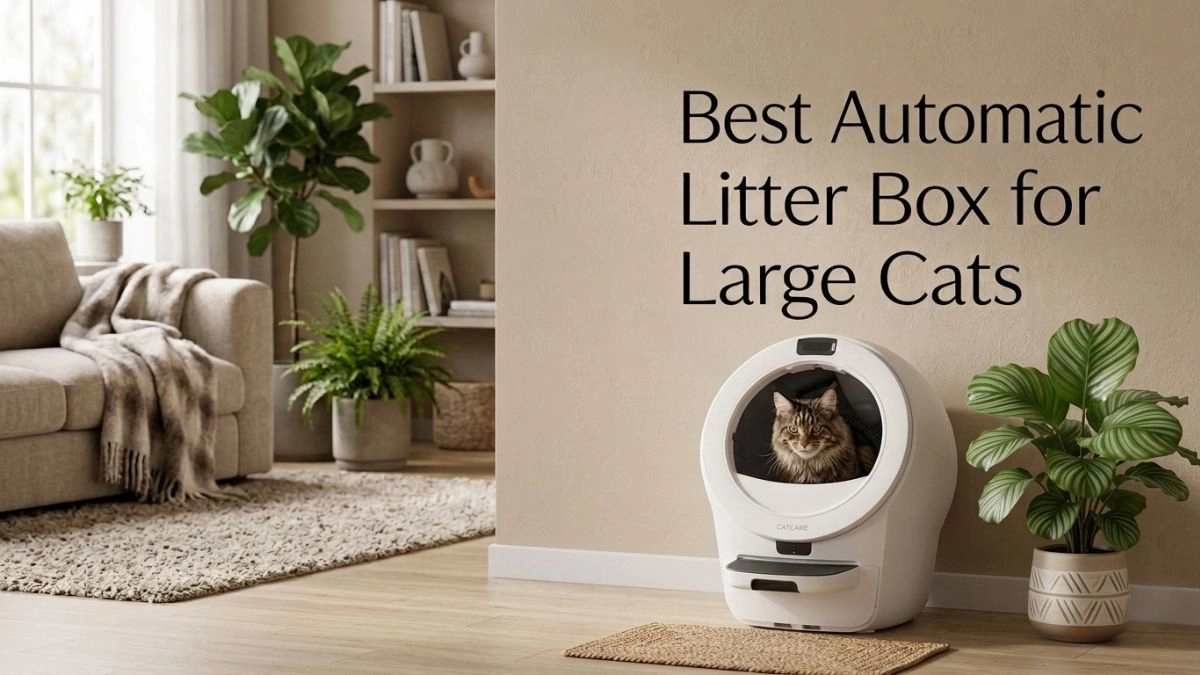
Best Automatic Litter Box for Large Cats (2026): Top Picks That Actually Fit Big Breeds
This post contains Amazon affiliate links. We may earn a commission at no extra cost to you.
Maine Coons can grow up to nearly 40 inches in length, yet many automatic litter boxes are still designed with limited interior space.
In practice, this creates a common problem: cats may fit inside the unit but struggle to turn around, position themselves properly, or exit comfortably. This often leads to litter scatter, mess along the walls, and in some cases, cats avoiding the box altogether.
If you’ve noticed your cat sitting on the edge, kicking litter outside, or hesitating before entering, the issue may not be behavior—it may be a lack of usable space.
In this guide, you’ll learn what actually matters when choosing the best automatic litter box for large cats in 2026, and how to avoid the most common mistakes that affect comfort, cleanliness, and long-term usability.
Let’s get straight into what you should look for to make the right choice for your home and your cat.
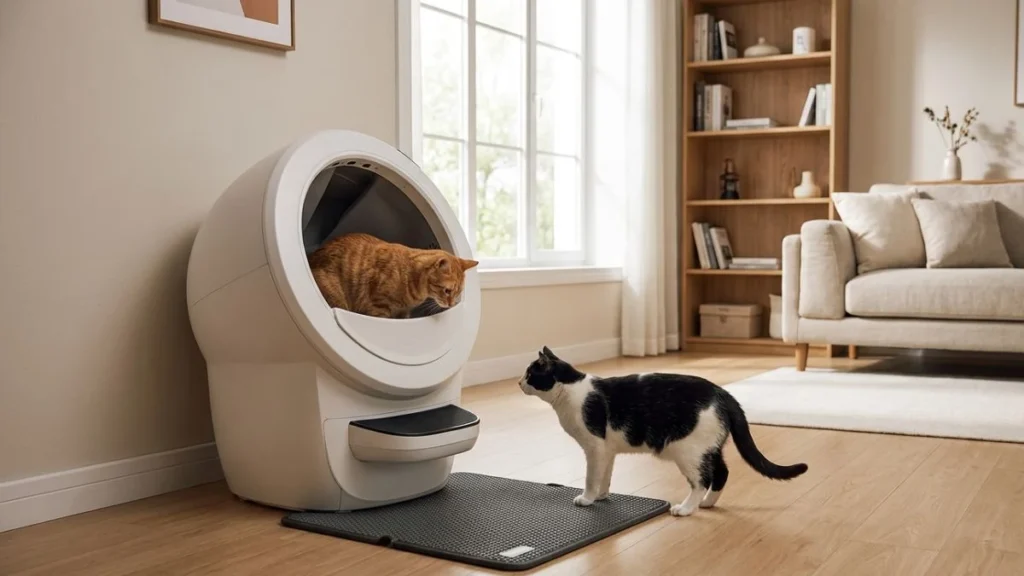
The Litter-Robot 4 stands out as a top pick for most homes thanks to its balance of space, reliability, and ease of use.
For the best litter options compatible with automatic systems, see our guide on Best Cat Litter for Automatic Litter Boxes 2026: Low Dust & Odor Control.
For Maine Coons and other long breeds, the PetSafe ScoopFree SmartSpin offers better internal room and comfort. The PETKIT Pura Max is a quieter option, making it ideal for apartments or noise-sensitive cats. Other models focus more heavily on odor control for busy, multi-cat households.
In this guide, we’ll break down key factors like turning space, entry height, and weight limits. We’ll also compare cleaning systems, noise levels, app features, and maintenance routines, so you can confidently choose the best automatic litter box for large cats available in the U.S.
Key Takeaways
- Big cats often “fit” in standard boxes but struggle to turn and exit cleanly, which leads to mess and litter tracking.
- The best automatic litter box for large cats prioritizes interior space, stability, and safety sensors—not just a “jumbo” label.
- Ongoing costs like liners and filters can significantly impact which automatic litter box for big cats offers the best long-term value.
Rotating drum and raking systems clean differently, and each comes with trade-offs in clumping, noise, and maintenance.
- This guide focuses on widely available models in the U.S. and explains which self-cleaning litter box for large cats is best for each situation.
- Each pick includes practical pros and cons to help you choose the best automatic litter box for large cats for your specific home setup.
Why Large Cats Need a Bigger, Better Self-Cleaning Litter Box
Big cats need more than just headroom. They need enough space to turn, squat, and exit comfortably without bumping into the walls.
A large self-cleaning litter box for cats can reduce stress because it better matches how bigger bodies naturally move.
The real problem: tight interiors, cramped turns, and messy exits
Most complaints start with the turn. When the chamber is too narrow, a long cat has to twist quickly just to reposition. This often pushes waste toward the rim or smears it along the sides.
Messy exits are another clear sign. With a small opening, hind paws can easily step where they shouldn’t. Some large male cats also spray higher, so shorter walls take more impact, and odors build up faster.
Big-breed comfort basics: roomy chamber, low-stress entry, stable footing
The best extra large automatic litter box provides enough depth and width for a full turn and a natural squat. This added space also helps keep clumps farther away from the entrance.
Entry matters too. A low, easy step-in is more comfortable for older cats and larger breeds that don’t like jumping.
For an automatic litter box for heavy cats, a wide and stable base is essential to prevent the unit from rocking when a 15–25 lb cat climbs in.
What “large” really means (Maine Coons, Ragdolls, long cats)
In the U.S., “large” often refers to breeds like Maine Coons, Ragdolls, and Norwegian Forest Cats.
Some of these cats aren’t especially heavy, but they are long from nose to tail. Because of that, they need enough space to turn comfortably—not just a litter box with a high weight capacity.
| Large Cat Profile | Common Challenge in Small Boxes | What a Better Fit Looks Like |
|---|---|---|
| Maine Coon | Wide stance hits the walls during a squat | Roomy chamber with extra side clearance |
| Ragdoll | Slow, careful stepping increases tracking at the exit | Low entry and enough floor space to place paws cleanly |
| Norwegian Forest Cat | Thick coat carries litter out when the box feels tight | Stable footing and a larger landing area |
| Long-bodied domestic cats | Can’t complete a full turn without brushing the walls | Longer interior that supports a natural pivot |
How small boxes cause odor, tracking, and avoidance
When a litter box is undersized, waste sits closer to the entry and gets disturbed more often. This leads to stronger odors and more litter sticking to crowded paws.
A large automatic cat litter box helps by keeping the “used” area farther away from where cats step in and out.
Some cats will avoid a box that feels cramped or dirty—even if it cleans itself. The next picks focus on interior space, stable bases, and odor control that better suit large cats and busy multi-cat homes.
Best Automatic Litter Boxes for Large Cats (Quick Picks)
Looking for a quick answer? These top picks are designed to meet the most important needs of large cats: space, stability, quiet operation, and effective odor control.
Each option helps reduce mess, litter tracking, and daily maintenance—especially for cats that are long, tall, or heavy.
Many people start by searching for the best self-cleaning litter box for big cats, but the right choice ultimately depends on your home setup and your cat’s habits.
Use these quick picks to narrow down your options before diving into the full details.
Best overall automatic litter box for large cats
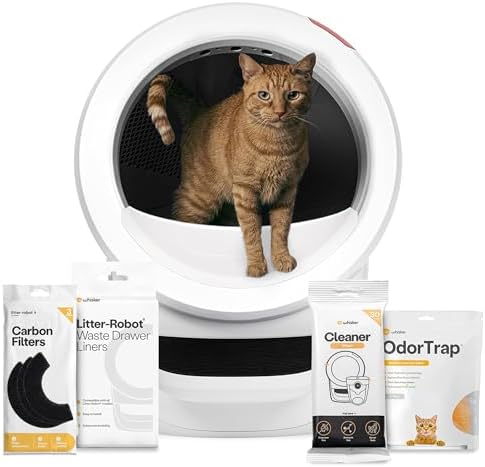
- SELF-CLEANING LITTER BOX: Never scoop again with Litter-Robot 4, the automatic, self-cleaning cat litter box. The patent…
- MONITOR + CONTROL VIA APP: Control the WiFi-enabled sifting litter box straight from the Whisker app. Monitor waste and …
- REDUCES LITTER BOX ODORS & TRACKING: The automatic clean cycle and OdorTrap Packs significantly reduce odors compared to…
The Whisker Litter-Robot 4 is a top pick for most large breeds. It provides a spacious interior, consistent cleaning cycles, and an easy-to-empty waste drawer.
It’s a strong option for users who want reliability without frequent issues or the need for deep manual cleaning
Best for Maine Coon and extra large breeds

- Package List: PETKIT PuraMax, K3 air purifier smart spray, cat litter mat, clay litter sifter, cat litter remover, waste…
- 100% SAFE FOR CATS: With several safety mechanisms as well as excellent smart sensors, the xSecure system offers your ca…
- Extra Large Capacity for Large Cats and Multi-cat Family: Size of the inner bucket: 18.89 x 20.47 inch(diameter), 76L la…
The PETKIT Pura Max is well suited for cats that need extra room and a stable entry. It works well for Maine Coons and other extra-large breeds that require more interior space to turn comfortably.
When evaluating this type of litter box, pay close attention to interior clearance and how confident your cat feels entering and exiting.
Best quiet option for large cats (apartments)

- Smart Cleaning Technology: With the PetSafe SmartSpin, you can spend less time cleaning and more time bonding with your …
- Hands-Free Cleaning: Enjoy up to two weeks without scooping; SmartSpin sifts clumps into a sealed waste drawer, offering…
- Monitor Health Easily: Use the PetSafe Pet Companion app for real-time updates on your cat’s weight and litter habits, r…
The PetSafe ScoopFree SmartSpin is designed to operate quietly, making it a great choice for light sleepers and noise-sensitive cats. Its smooth cleaning cycles produce fewer loud mechanical sounds, which is especially important in apartments where noise can carry easily.
If you’re comparing options, it’s also helpful to understand how different systems operate. See our guide on how automatic litter boxes work to better evaluate noise levels, cleaning mechanisms, and overall performance
Best for odor control (multi-cat homes)
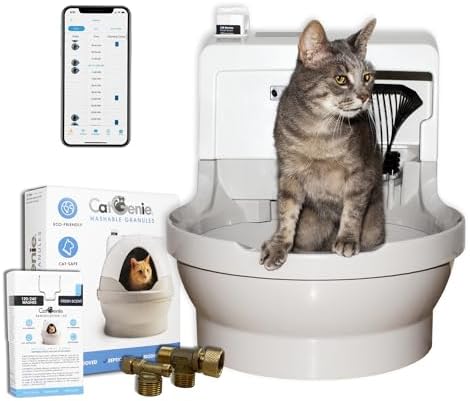
- 𝗙𝗨𝗟𝗟𝗬 𝗔𝗨𝗧𝗢𝗠𝗔𝗧𝗜𝗖 𝗦𝗘𝗟𝗙-𝗖𝗟𝗘𝗔𝗡𝗜𝗡𝗚 𝗟𝗜𝗧𝗧𝗘𝗥 𝗕𝗢𝗫 𝗪𝗜𝗧𝗛 𝗡𝗢 𝗦𝗖𝗢𝗢𝗣𝗜𝗡𝗚 – Automatically scoops waste, flushes it away, washes the gran…
- 𝗥𝗘𝗨𝗦𝗔𝗕𝗟𝗘 𝗪𝗔𝗦𝗛𝗔𝗕𝗟𝗘 𝗚𝗥𝗔𝗡𝗨𝗟𝗘 𝗦𝗬𝗦𝗧𝗘𝗠 (𝗡𝗢 𝗟𝗜𝗧𝗧𝗘𝗥 𝗧𝗢 𝗥𝗘𝗣𝗟𝗔𝗖𝗘) – Uses reusable Washable Granules instead of gross disposable li…
- 𝗙𝗨𝗟𝗟𝗬 𝗦𝗘𝗟𝗙 𝗪𝗔𝗦𝗛𝗜𝗡𝗚, 𝗙𝗟𝗨𝗦𝗛𝗜𝗡𝗚 𝗔𝗡𝗗 𝗗𝗥𝗬𝗜𝗡𝗚 𝗦𝗬𝗦𝗧𝗘𝗠 – After each cycle, waste is liquefied and flushed, while the bowl and gr…
The CatGenie A.I. is designed for consistent waste handling and effective containment, which helps reduce odor buildup in multi-cat households.
With multiple cats using the same unit, odor control becomes a critical factor, and systems like this aim to manage waste more efficiently over time.
When choosing a litter box focused on odor control, look for features such as a sealed waste compartment, regular cleaning cycles, and built-in or replaceable filters.
For a deeper understanding of why odor can build up in some systems, you can also check our guide on why automatic litter boxes smell and how to fix it.
| Winner Category | Model | Why it works for large cats | Best fit for | What to watch |
|---|---|---|---|---|
| Best overall | Whisker Litter-Robot 4 | Roomy chamber feel, steady sensors, and easy-to-empty waste drawer | Single large cat or mixed-size homes | Requires enough floor space; place on a firm, level surface |
| Best for Maine Coon / extra-large | PETKIT Pura Max | Improved turn-around comfort and stable entry for long-bodied cats | Maine Coons, Ragdolls, and other large or tall cats | Measure entry height and interior clearance before purchasing |
| Best quiet (apartments) | PetSafe ScoopFree SmartSpin | Smooth cleaning motion with fewer sudden mechanical noises | Noise-sensitive homes and nighttime use | Keep the area dry and use the recommended litter type |
| Best odor control (multi-cat) | CatGenie A.I. | Frequent waste handling and tighter containment to reduce lingering odors | Homes with two or more cats and higher daily usage | Requires proper placement near utilities and regular maintenance |
Benefits of Using an Automatic Litter Box for Large Cats
Big cats require a litter box that accommodates their size and movement. A spacious automatic litter box allows them to turn comfortably, squat naturally, and exit without restriction. This helps reduce stress and supports consistent litter box habits.
In addition, automatic systems reduce the need for daily manual scooping, which is especially helpful in multi-cat households. By keeping waste contained and cleaning cycles consistent, these devices help maintain a cleaner environment and minimize odor buildup over time.
For large breeds, comfort and space are just as important as automation. When a litter box matches their physical needs, cats are more likely to use it consistently. This helps avoid common issues like avoidance or improper use.
How do automatic litter boxes keep cats safe?
These systems are designed with built-in safety mechanisms that detect when a cat is inside, pause operation, and only begin cleaning after the cat has exited. Learn more about these safety features in our guide on Are Automatic Litter Boxes Safe for Cats? Vet-Verified Facts You Need to Know (2026).
How automatic litter boxes work
Automatic litter boxes use sensors, timers, and rotating or raking mechanisms to detect when a cat has left the unit and then start a cleaning cycle. To better understand how these systems operate in detail, see our guide on How Do Automatic Litter Boxes Work? Complete Guide to Self-Cleaning Systems (2026).
These systems are designed to separate waste into a sealed compartment while minimizing human intervention.
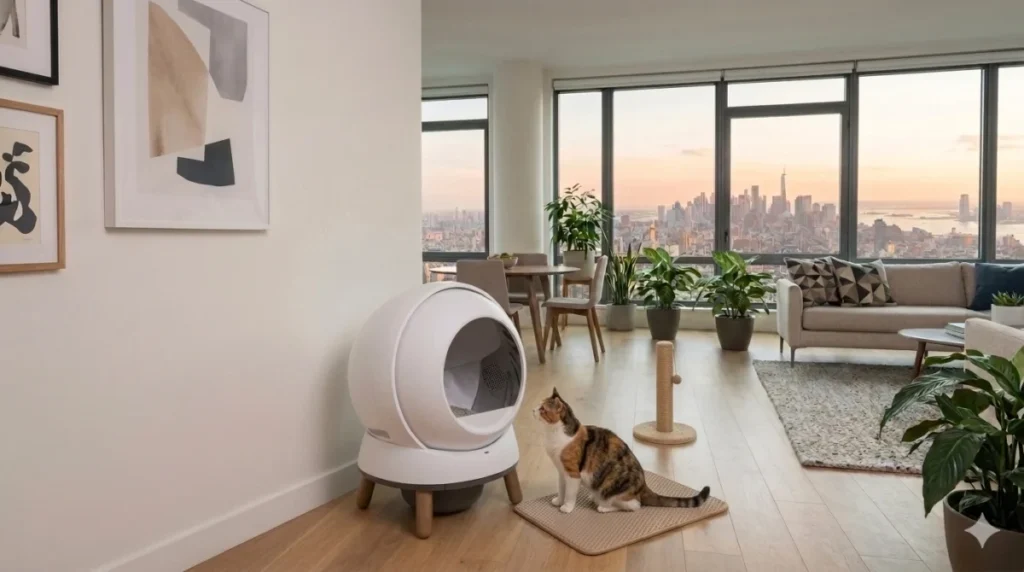
More comfort for big cats
Big cats need enough space to turn, squat, and move naturally. When a litter box is too small, they may bump into the sides or feel restricted, which can lead to hesitation or avoidance over time.
A large automatic litter box provides the extra interior room needed for a more natural experience. This added comfort encourages consistent use and helps maintain healthy litter box habits.
Less mess and litter tracking
Smaller litter boxes can often lead to messier outcomes. Cats may brush against the edges, kick litter out, or scatter granules when stepping in and out.
An automatic litter box designed for large cats typically features a wider entry and a more stable stepping area. This helps reduce litter scatter and keeps the surrounding floor cleaner.
Some models also include design elements that help contain loose granules before they reach the floor.
Better odor control
Large cats produce larger clumps that can develop odors more quickly. A high-capacity automatic litter box helps separate and contain waste promptly, reducing odor buildup between cleaning cycles.
For more details on odor causes and fixes, see our guide on Why Does My Automatic Litter Box Smell? (7 Causes & Easy Fixes That Actually Work).
Features such as sealed waste drawers and carbon filters can further improve odor control. The goal is efficient waste removal rather than masking smells with added fragrances.
For a deeper look at why odors develop and how to manage them effectively, see our guide on why automatic litter boxes smell and how to fix common issues.
Less daily maintenance
Automatic litter boxes still require some maintenance, but they significantly reduce the need for daily scooping.
In most cases, you simply need to empty the waste drawer, replace the liner, and top off the litter.
This is especially helpful in multi-cat households or during busy schedules. A high-capacity automatic litter box can hold more waste, reducing how often it needs to be emptied.
If you’re wondering whether these systems are safe, see our guide on are automatic litter boxes safe for cats. There, we explain how sensors, design, and proper sizing contribute to safe operation.
| Benefit | What causes it | What you notice at home | What to look for |
|---|---|---|---|
| More comfort | Room to turn, wider chamber, stable base | Fewer rushed trips, less box avoidance | Large interior, low-stress entry, steady footing |
| Less mess and tracking | Better positioning reduces edge hits; cleaner exits | Less scatter near the box, fewer surprise spots | Wide doorway, step or grid entry, taller splash walls |
| Better odor control | Faster waste removal and sealed storage | Less lingering smell between cleanouts | Sealed drawer, carbon filter option, timely cycles |
| Less daily maintenance | Automated sifting replaces frequent scooping | Shorter daily routine, easier weekly reset | Easy-access drawer, simple liner system, clear fill line |
For many cat owners, the biggest benefit is consistency. A spacious automatic litter box helps keep the litter area cleaner and makes daily care easier without turning it into a chore.
Choosing an automatic litter box for large cats with a high-capacity design is a practical decision. This is especially true for households with bigger clumps, heavier usage, and multiple cleanings per day.
If you’re still evaluating performance and reliability, you may also want to read our guide on whether automatic litter boxes really work to better understand real-world expectations.
What to Look for in the best automatic litter box for large cats
Size matters, but not just in terms of exterior dimensions. The best litter box for large cats must comfortably fit their body size and natural behavior while also fitting your available space at home.
When evaluating options, focus on four key factors: interior space, weight capacity, easy entry, and built-in safety features. Together, these elements help ensure the litter box is truly suitable for large breeds and consistent daily use.
To understand how these features work together in practice, it can also help to review how automatic litter boxes work and what mechanisms are responsible for cleaning and safety.
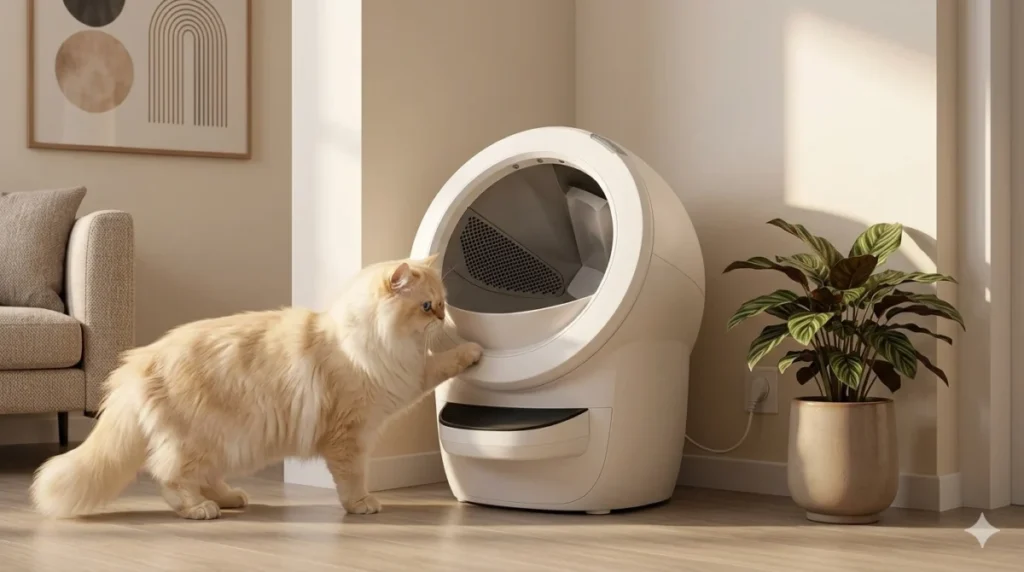
Interior space and turn-around room
Focus on the interior space, not just the exterior dimensions. Long cats need enough room to turn comfortably without hitting the sides. This helps them position themselves properly and avoid mess.
Drum and dome-style designs can sometimes be misleading. While they may appear large from the outside, the usable interior space can be more limited. Always check detailed dimensions and real user photos when evaluating a model.
A larger interior also helps reduce mess. It allows your cat to stand and move naturally, which can minimize litter sticking to the walls and reduce tracking around the box.
If you want to better understand how different designs affect movement and cleaning, see our guide on how automatic litter boxes work.
Weight capacity and stability
Check both the weight limit and the base design. A litter box for heavy cats should feel stable, with a wide base and non-slip feet to keep it firmly in place during use.
If a unit is not well constructed, it may wobble when a cat steps in or out. This can make cats hesitant to use it, interfere with sensors, and lead to more litter being kicked outside the box.
For multi-cat households, stability becomes even more important. A large litter box will cycle more frequently, so a sturdy frame that remains steady and operates quietly is essential.
For a deeper understanding of how sensor systems and safety mechanisms interact with stability, see our guide on whether automatic litter boxes are safe for cats.
Entry height and accessibility
Large cats typically prefer a wide opening with sufficient headroom. If the entry is higher off the ground, consider models that include a sturdy step or ramp, especially for senior cats or those with mobility issues.
Very high entry points can also contribute to litter scatter when cats jump in or out. For cats with arthritis or joint sensitivity, a high step may become a barrier that discourages regular use.
When comparing litter boxes, pay close attention to the entry design. In many cases, a wide and low entry is more practical and comfortable than a taller opening, even if the overall unit appears larger.
If you’re also concerned about safe usage and design features, see our guide on whether automatic litter boxes are safe for cats to better understand how accessibility and safety work together.
Safety features and sensors
How do automatic litter boxes keep cats safe?
These systems detect when a cat is inside, pause operation, and only start cleaning after the cat has exited. This prevents interference and moves waste safely into a sealed drawer.
When choosing a model, look for reliable sensors that can detect presence and stop the cycle immediately if a cat re-enters. This is especially important for larger cats that may take longer to turn around.
Proper setup also matters. Place the unit on a flat, stable surface, follow the fill line, and respect the manufacturer’s weight guidelines.
For a deeper look at how these systems work in real-world use, see our guide on how automatic litter boxes work, where we explain sensors, timing, and cleaning cycles in detail.
| What to check | What “good” looks like | Why it matters for large cats | Quick at-home test |
|---|---|---|---|
| Usable interior space | Wide standing area with clear turn-around room, not just a large shell | Supports a full stance and better aim, reducing edge hits and wall smears | Measure your cat’s nose-to-base length and compare it to the interior depth |
| Weight rating and base | Rated for heavy cats, wide base, non-slip contact points | Limits wobble that can scare cats and cause sensor errors during cycles | Press on the rim and corners; the unit should not rock or slide |
| Entry height and opening | Low step-in or included step, wide doorway, good head clearance | Reduces strain for senior cats and minimizes litter scatter from jumping | Observe a normal entry; paws should step in rather than jump up |
| Safety sensors and delays | Presence detection, pause/resume behavior, adjustable delay timer | Prevents cycling while a cat is inside and supports slower movers | After use, confirm the unit waits before cycling and stops if approached |
| Waste handling capacity | Sealed drawer design sized for frequent use in busy homes | Helps control odor and extends time between emptying | Track how many days you can go between emptying based on your current usage |
Common Mistakes to Avoid
Even a well-designed large cat self-cleaning litter box can underperform if it doesn’t match your cat’s size or your home setup.
Most issues come down to sizing, stability, and small setup details that are often overlooked during purchase.
Choosing a box that’s too small
The biggest mistake is choosing based on exterior size rather than the usable interior space. A long cat needs enough room to turn, squat, and exit without hitting the walls.
When the interior feels cramped, cats may sit on the edge, kick litter out, or avoid the box altogether. In many cases, the best litter box for large cats isn’t the one with the smallest footprint, but the one that offers the most usable space inside.
Ignoring weight limits
Weight limits are about more than avoiding damage or warranty issues. If the base isn’t stable, a large cat may feel insecure, and the cleaning cycle could pause or fail.
Before choosing a large automatic litter box, consider your cat’s current weight and expected adult size. Make sure the unit sits firmly on your floor. On slippery tile or uneven surfaces like vinyl, stability matters just as much as the stated weight rating.
Not considering entry height
Big cats—especially seniors, heavier breeds, or those recovering from surgery—may struggle with high entry points. A tall step-in can turn an otherwise great self-cleaning litter box into a daily challenge.
When evaluating options, pay attention to entry height, doorway width, and whether a ramp or step is included. A lower, smoother entry not only improves accessibility but can also help reduce litter tracking by preventing rushed or awkward exits.
Focusing only on price instead of space
A low price can be tempting, but cramped designs often cost more in the long run in terms of time and maintenance.
If your cat cannot stand and move comfortably, you may end up spending more time cleaning, sweeping, and refilling litter.
When comparing options, consider ongoing costs such as liners and filters—but don’t let price be the only deciding factor.
Prioritizing interior space and reliability usually leads to a more comfortable experience for your cat and a more practical setup for your home, even if the upfront cost is higher.
| Mistake | What you’ll likely notice at home | What to check before buying |
|---|---|---|
| Too small inside | Side spraying, litter outside the box, quick in-and-out behavior | Interior turning radius, chamber width, and how the opening aligns with your cat’s shoulders |
| Overlooking weight and stability | Shaking during entry, mid-cycle stops, nervousness around the unit | Rated capacity, base footprint, and whether the unit sits flat on your specific floor |
| Entry is too high or narrow | Hesitation, missed steps, litter scatter from jump-outs | Step-in height, doorway width, ramp compatibility, and grip at the threshold |
| Buying on price alone | More daily cleaning, lingering odor, and a “backup box” you didn’t plan on | Usable interior space, motor reputation, replacement part costs, and how often consumables are needed |
Setup is important, too. Use the appropriate litter type, maintain the correct fill line, and place the unit in a quiet, low-traffic area where your cat feels comfortable.
Small details—such as using a steady mat, ensuring a level surface, and choosing a calm location—can prevent many common issues with a large automatic litter box, especially for first-time users.
Conclusion
When choosing the best automatic litter box for large cats, focus on the fundamentals: space, stability, and reliable safety sensors. A roomy interior and a steady base allow your cat to move comfortably without stress, mess, or hesitation.
For most homes, a simple and well-built model is the best choice. If you have a Maine Coon or another large breed, prioritize a spacious unit to prevent cramped movement. In apartments, a quieter model helps reduce noise-related stress. For multi-cat households, strong odor control becomes especially important.
Before making a purchase, measure your cat from nose to base of tail and allow extra room for turning. Also consider the available floor space where the unit will be placed. Check weight capacity and entry height to ensure stability and easy access, particularly for older or heavier cats.
Finally, plan a smooth transition. Keep the previous litter box nearby for a few days and continue using the same litter your cat is familiar with. When properly sized and set up, the right litter box can significantly reduce mess, odor, and daily maintenance—making it a worthwhile long-term investment.
FAQ
What makes the best automatic litter box for large cats different from standard models?
The best automatic litter box for large cats offers a spacious interior that allows big cats to turn and squat comfortably. It also features a stable base that doesn’t rock under heavier weight. Look for a wide entry, realistic weight ratings, and a sealed waste drawer for improved odor control and reduced tracking.
What size should I look for in an extra large automatic litter box?
Focus on interior dimensions rather than exterior size. An extra large automatic litter box should provide enough room for your cat to turn and squat comfortably, with adequate headroom to avoid contact with the walls, which can lead to misses and messy exits.
Which automatic litter box for Maine Coon cats is best for long bodies and big turns?
For Maine Coon cats, choose a model with a spacious chamber and a low, easy entry. Long-bodied cats need enough space to rotate without feeling cramped. Limited turning space can lead to litter tracking and improper positioning..
Are automatic litter boxes safe for cats, especially heavy or large breeds?
Yes, when equipped with reliable sensors and proper safety mechanisms. Always place the unit on a hard, level surface, follow the recommended fill line, and adhere to the manufacturer’s weight guidelines.
How do automatic litter boxes work?
They detect when your cat has used the box, wait for a short delay, and then begin the cleaning cycle. Depending on the design, a rotating drum or rake separates waste and deposits it into a sealed drawer, helping control odor and maintain cleanliness.
What’s better for big cats: a rotating drum or a raking self-cleaning system?
Rotating drum systems typically provide a more enclosed cleaning environment, while raking systems are simpler and easier to maintain. The best choice depends on your cat’s size, comfort, and whether the design allows enough interior space for natural movement.
What is the best litter box for large cats automatic models for multi-cat homes?
Multi-cat households benefit from high-capacity automatic litter boxes with sealed waste drawers and frequent cleaning cycles. Models like PETKIT Pura Max and Litter-Robot 4 are commonly chosen for their ability to reduce odor and handle heavier usage.
What should I look for in a quiet automatic litter box for large cats?
Look for smooth, low-noise cycles and a stable base that minimizes vibration on hard floors. Quiet operation is especially important in apartments or for cats sensitive to sound.
How much weight can an automatic litter box for heavy cats handle?
This varies by model, so always check the manufacturer’s weight rating and real-world stability. A proper unit should feel solid during use, as instability can cause fear, sensor issues, and increased litter scatter.
Why does a large automatic cat litter box help reduce tracking and mess?
A larger interior allows your cat to position itself correctly, reducing contact with the edges. Wider entries and optional steps or grids can also help remove litter from paws before exiting, minimizing tracking.
Do I need special litter for a large cat self cleaning litter box?
Many systems work best with clumping litter, while some require specific crystal or proprietary litter types. Always follow the manufacturer’s recommendations, as incorrect litter can cause clogs or poor performance.
What ongoing costs should I expect with the best self cleaning litter box for big cats?
Expect costs for liners, carbon filters, occasional maintenance supplies, and regular litter. When evaluating options, consider how often the waste drawer needs emptying and whether consumables are required or optional.
Is there a non-electric option that still works well for large cats?
Yes. The Omega Paw Roll’N Clean is a manual, semi-automatic option that separates waste through a rolling mechanism. It can be suitable if you want a simpler alternative without motors or sensors, though it requires manual operation.
What’s the biggest mistake people make when buying an automatic litter box for big cats?
Choosing based on exterior size or price instead of interior space and stability. A proper fit must accommodate natural turning and squatting behavior—otherwise, issues like odor, tracking, and avoidance are more likely.