

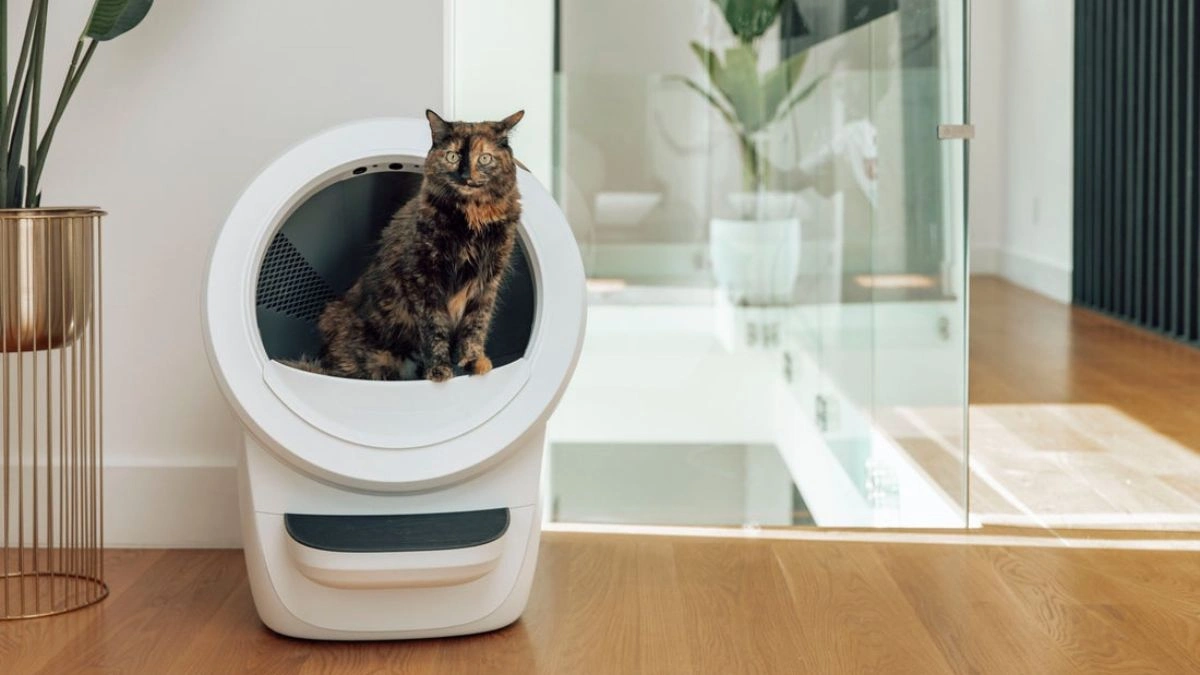
How Long Do Automatic Litter Boxes Last? The Hidden Costs No One Talks About
At first, automatic litter boxes feel like a game-changing upgrade.
Less scooping. Better odor control. A cleaner home with less daily effort.
But after months — or even years — of daily use, many cat owners start asking a different question:
How long do automatic litter boxes actually last before problems begin?
The truth is that lifespan depends heavily on maintenance, litter quality, build design, and how many cats use the system every day.
Some units keep running smoothly for years.
Others begin showing problems much sooner than owners expect.
Others develop sensor failures, odor buildup, motor issues, or expensive replacement costs much sooner than expected.
In this guide, you’ll learn:
• how long automatic litter boxes typically last
• the hidden long-term costs most owners don’t expect
• what shortens their lifespan faster
• and which models tend to hold up best over time
Why Some Automatic Litter Boxes Last for Years — And Others Don’t
Not all automatic litter boxes age the same way.
Some continue working reliably for years with only minor maintenance.
Others begin developing problems surprisingly fast — especially in homes with multiple cats, heavy daily use, or inconsistent cleaning routines.
One of the biggest mistakes owners make is assuming these systems are completely maintenance-free.
In reality, motors, sensors, liners, filters, and waste drawers all experience wear over time.
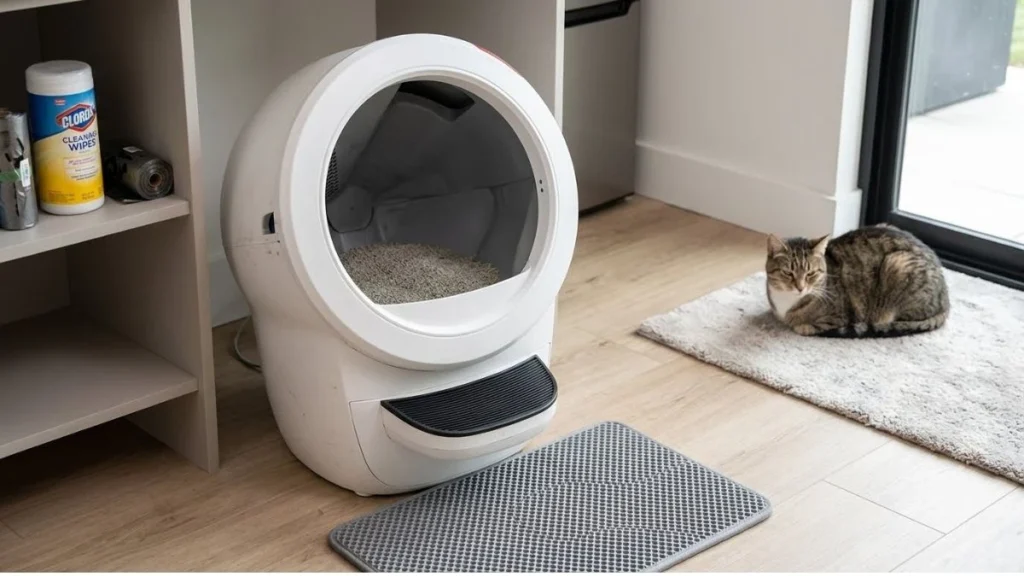
The type of litter you use also plays a major role in long-term durability.
Low-quality litter can increase dust buildup, strain moving components, and create odor problems that become harder to manage over time.
And while premium models often last longer, they can also come with higher replacement part costs if something eventually fails.
Understanding what actually affects lifespan helps you avoid expensive surprises later.
How Long Do Automatic Litter Boxes Actually Last?
Most automatic litter boxes are designed to last somewhere between 3 to 7 years.
But in real homes, lifespan depends heavily on:
• how often the box is used
• how well it’s maintained
• the number of cats using it
• and the overall build quality of the system
In lighter-use homes with consistent cleaning, some premium models can continue working reliably for many years.
But in busy households — especially with multiple cats — wear and tear tends to appear much faster.
After years of daily cycling, components like motors, sensors, waste drawers, liners, and odor filters naturally begin losing efficiency.
Dust buildup, moisture exposure, poor-quality litter, and skipped maintenance routines can accelerate these problems even more.
That’s why some owners still use their automatic litter box after five years with few issues, while others start experiencing sensor failures or cleaning problems much sooner.
Premium models such as the Litter-Robot 4 are generally built for longer-term durability, but even high-end systems still require proper upkeep to maintain performance over time.
What Long-Term Ownership Actually Feels Like
Owning an automatic litter box long-term is very different from using one during the first few weeks.
At first, the experience feels incredibly convenient.
Less scooping. Better odor control. A cleaner-looking home with less daily effort.
But over time, owners usually realize these systems still require consistent maintenance to keep performing properly.
Waste drawers need regular attention.
Sensors collect dust.
Odor filters lose effectiveness.
And moving parts slowly experience wear after months of daily cycling.
In homes with multiple cats, this maintenance becomes even more important because the system handles significantly more waste every day.
Many long-term owners develop simple habits that help extend the lifespan of the unit:
• wiping sensors regularly
• checking for litter buildup
• emptying the waste drawer before overflow
• and deep cleaning the system every few months
When these routines are ignored, small issues often become expensive problems later.
That’s one of the biggest differences between owners who get years of reliable performance and those who start experiencing failures much sooner.
The Hidden Costs Most Owners Don’t Expect
One of the biggest surprises with automatic litter boxes is that the purchase price is usually only the beginning.
Over time, many owners end up spending far more than they originally expected on:
• replacement filters
• liners and waste bags
• premium litter
• replacement parts
• and long-term maintenance
Some systems also rely heavily on proprietary accessories that cost significantly more than standard alternatives.
For example, odor filters often need regular replacement to maintain proper smell control.
Waste bags, liners, and specialty litter can also become recurring monthly expenses — especially in homes with multiple cats.
And when components like motors, sensors, or drawer mechanisms eventually fail, replacement parts can sometimes be surprisingly expensive.
That doesn’t necessarily make automatic litter boxes a bad investment.
But it does mean owners should think beyond the initial purchase price before choosing a system.
Understanding these long-term costs early helps prevent frustration later.
Common Problems That Start Appearing Over Time
One thing many owners don’t expect is that automatic litter boxes usually become harder to maintain over the years.
At first, odor control often works extremely well.
But after months of daily use, many systems slowly begin developing issues like:
• persistent odor buildup
• litter accumulation in hidden areas
• motor strain
• more frequent cleaning needs
One of the most common complaints is that smells start lingering even after the waste drawer is emptied.
Over time, ammonia residue, moisture, dust, and waste particles can slowly build up inside the system — especially around internal components that are harder to clean properly.
Some owners also underestimate how tiring deep cleaning can become after years of use.
Disassembling certain models, cleaning sensors, removing stuck litter, and wiping internal surfaces regularly can eventually feel much more demanding than expected.
Homes with multiple cats often experience these problems faster because the system cycles more frequently and handles significantly more waste every day.
That’s why long-term performance usually depends less on the original marketing claims — and more on how easy the system is to maintain consistently over time.
Mechanical Wear and Sensor Problems
One of the biggest long-term issues with automatic litter boxes is mechanical wear.
Even premium systems contain moving parts that experience stress every single day.
Over time, components like motors, gears, sensors, drawer mechanisms, and rotating parts naturally begin losing efficiency.
For many owners, sensor-related issues become especially frustrating after months or years of use.
Some systems start showing:
• false “drawer full” notifications
• interrupted cleaning cycles
• delayed sensor reactions
• or random app alerts that appear without a clear reason
Dust, litter particles, and waste residue can slowly build up around sensitive internal components, affecting how accurately the system operates.
In some cases, stuck litter or debris can even interfere with the cleaning cycle itself, placing extra strain on the motor and internal mechanisms.
As these systems age, owners often notice they require:
• more frequent troubleshooting
• more cleaning
• and more manual intervention to keep everything running properly
That doesn’t mean automatic litter boxes stop being useful.
But it does mean long-term reliability usually depends heavily on consistent upkeep and regular cleaning habits.
Rotating vs Rake-Style Automatic Litter Boxes: Which Lasts Longer?
Not all automatic litter boxes work the same way.
And over time, the cleaning mechanism itself can make a huge difference in durability, maintenance needs, noise levels, and long-term ownership costs.
Rotating systems — like the Litter-Robot 4 — typically use a globe-style design that separates clean litter from waste through a rotating cleaning cycle.
These systems are often better at handling:
• multiple cats
• larger waste capacity
• and long-term odor control
They also tend to feel more premium overall, though repairs and replacement parts can sometimes be more expensive if problems eventually appear.
Rake-style systems — such as the PetSafe ScoopFree — work differently.
Instead of rotating, they use a mechanical rake that pulls waste into a covered compartment after the cat leaves the box.
These systems are usually simpler in design, but they can become more sensitive to:
• litter buildup
• stuck waste
• tray replacement costs
• and long-term wear on the rake mechanism itself
Over time, many owners find that rotating systems generally handle heavy daily use more effectively, while rake-style models may require more frequent tray replacements and closer monitoring.
Neither design is perfect.
The better choice often depends on your budget, cleaning preferences, and how many cats will use the system every day.
App and Wi-Fi Problems Owners Often Face Over Time
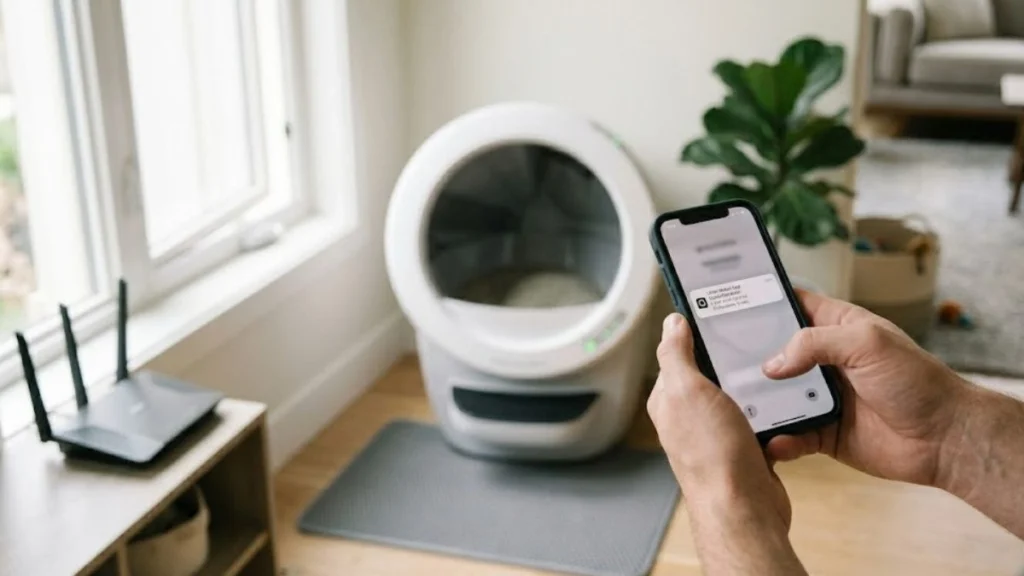
One of the biggest selling points of many modern automatic litter boxes is their smart app connectivity.
Features like:
• waste drawer alerts
• usage tracking
• cleaning notifications
• and remote monitoring
can make these systems feel far more advanced and convenient.
After months or years of use, many owners discover that app-based features can become one of the most frustrating parts of the experience.
Common complaints include:
• Wi-Fi connection failures
• delayed notifications
• inaccurate waste drawer alerts
• syncing problems
• and random app disconnects
In some homes, unstable connectivity can even interfere with how reliably notifications are delivered.
That means owners may not realize the waste drawer is full until odor buildup or cleaning problems have already started.
Software updates can sometimes create new issues as well.
Certain models may temporarily lose features, disconnect from the app, or require repeated troubleshooting after firmware updates.
While smart features can absolutely improve convenience, long-term reliability still depends heavily on how stable the software experience remains over time.
That’s why many experienced owners eventually care just as much about hardware reliability as they do about smart features and app controls.
Are Automatic Litter Boxes Worth the Long-Term Cost?
Automatic litter boxes are expensive upfront.
Many premium models cost hundreds of dollars before accessories, litter, replacement filters, or extra parts are even included.
At first, that price can feel difficult to justify.
But for many owners, the real value comes from:
• saving time every day
• reducing daily scooping
• improving odor control
• and making litter maintenance feel far less exhausting
For busy households, that convenience alone can become extremely valuable over time.
Homes with multiple cats often benefit the most because the system handles waste far more frequently than a traditional litter box setup.
Still, long-term ownership costs can add up faster than many people expect.
Over several years, owners may spend money on:
• replacement filters
• liners and waste bags
• replacement sensors or motors
• premium litter
• and ongoing maintenance supplies
That’s why the real question usually isn’t whether automatic litter boxes are cheap.
It’s whether the daily convenience, cleaner environment, and time savings feel worth the ongoing investment for your specific situation.
For many owners, the answer is yes.
But the experience tends to be much better when expectations are realistic from the beginning.
Best Ways to Make an Automatic Litter Box Last Longer
The lifespan of an automatic litter box depends heavily on how consistently it’s maintained over time.
Many of the most expensive problems owners face — including sensor failures, odor buildup, motor strain, and cleaning issues — often start with poor maintenance habits.
One of the best things owners can do is follow a simple, consistent cleaning routine.
That usually includes:
• emptying the waste drawer before overflow
• wiping sensors regularly
• removing litter buildup from moving parts
• and deep cleaning the unit every few months
Deep cleaning becomes especially important over time because dust, ammonia residue, and moisture can slowly accumulate inside hidden areas of the system.
Ignoring these areas for too long can reduce performance and place additional stress on internal components.
Owners should also pay attention to:
• unusual noises
• interrupted cleaning cycles
• delayed sensor reactions
• and excessive odor buildup
These warning signs often appear before larger mechanical failures happen.
Replacing worn filters, liners, or damaged components early can also help prevent more expensive repairs later.
In many cases, owners who follow proper maintenance habits get significantly more years of reliable performance from their automatic litter box.
Using the Right Litter Can Significantly Extend Lifespan
One of the most overlooked factors in long-term performance is the type of litter used inside the system.
Many automatic litter boxes are designed to work best with high-quality clumping litter that forms solid, dry clumps during the cleaning cycle.
Using the wrong litter can lead to:
• sensor problems
• stuck waste
• excessive dust buildup
• poor odor control
• and additional strain on moving components
Poor-quality litter can also gradually increase the need for deep cleaning and place additional stress on the system over the years.
Most premium models — including systems like the Litter-Robot 4 — perform best when litter forms clean clumps that separate easily during rotation or sifting.
Owners should also avoid:
• overfilling the unit
• using overly lightweight litter
• and ignoring the manufacturer’s recommended fill line
Even small mistakes with litter choice can eventually affect:
• cleaning performance
• odor management
• sensor accuracy
• and long-term durability
In many cases, investing in better litter actually helps reduce maintenance problems and extends the overall lifespan of the unit.
How Your Home Environment Affects Long-Term Performance
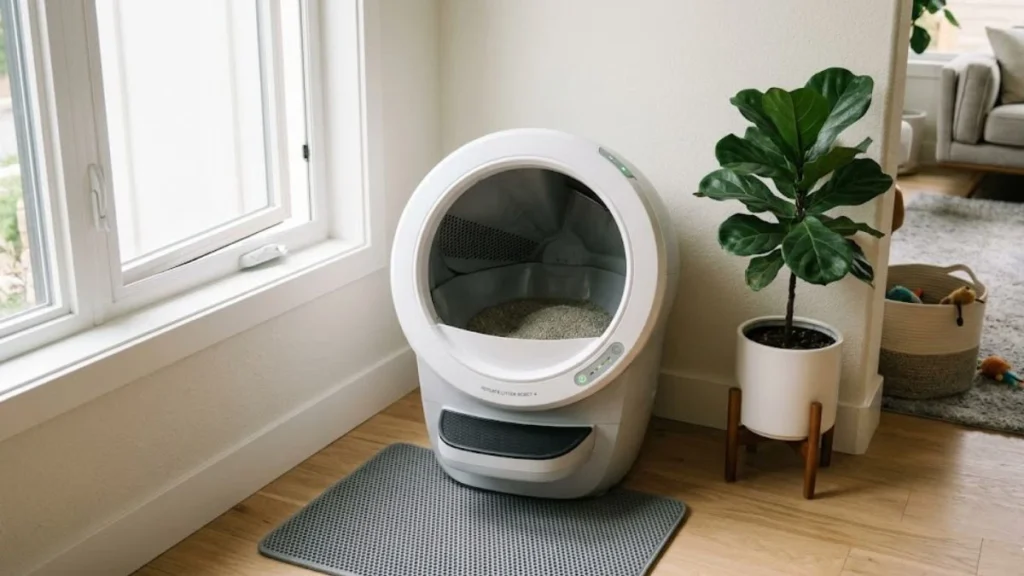
Where you place an automatic litter box can have a much bigger impact on lifespan and performance than many owners realize.
Environmental conditions like dust, humidity, poor ventilation, uneven flooring, and limited airflow can gradually affect long-term performance.
For example, excess moisture can increase:
• odor buildup
• internal residue
• and long-term wear on electronic components
Dust accumulation can also interfere with sensor accuracy, especially in systems that rely heavily on weight sensors or automated safety features.
Uneven flooring creates another common problem.
If the unit is not placed on a stable surface, some systems may experience:
• inaccurate readings
• interrupted cleaning cycles
• or inconsistent waste detection
Ventilation matters as well.
Placing the unit in a small enclosed area without proper airflow can make smells become much stronger over time — especially in homes with multiple cats.
That’s why many experienced owners choose locations that are:
• easy to clean
• well ventilated
• away from excess moisture
• and easy to access for regular maintenance
Small environmental factors may not seem important at first, but over several years, they can significantly affect both performance and long-term durability.
What Future Automatic Litter Boxes Will Probably Improve
Automatic litter boxes are evolving much faster than they were just a few years ago.
Many newer systems already focus heavily on:
• better odor control
• quieter cleaning cycles
• smarter safety sensors
• and improved app connectivity
But long-term ownership feedback is also shaping the next generation of designs.
One of the biggest complaints from current owners is that some systems still become difficult to clean properly over time.
That’s why future models will likely focus more on:
• easier deep cleaning
• simpler disassembly
• more durable moving parts
• and better resistance to dust and moisture buildup
Manufacturers are also investing heavily in smarter software features.
Future systems may offer:
• improved health tracking
• more accurate cat recognition
• better weight monitoring
• and more reliable app notifications
Many owners are also hoping future models reduce the long-term costs associated with:
• replacement filters
• proprietary accessories
• and expensive replacement parts
As the technology continues improving, the biggest goal will likely be creating systems that require:
• less maintenance
• fewer repairs
• and more reliable long-term performance overall
How to Choose an Automatic Litter Box That Lasts Longer
Not all automatic litter boxes are built with the same level of durability.
And when you’re investing hundreds of dollars into a system you may use for years, choosing the right model becomes extremely important.
Before buying, experienced owners usually pay close attention to:
• warranty coverage
• replacement part availability
• long-term maintenance costs
• cleaning difficulty
• and real-world owner reviews
One of the smartest things buyers can do is look beyond marketing claims and focus on how the system performs after months or years of daily use.
Some models look impressive at first but become frustrating once:
• sensors start failing
• odors become harder to control
• replacement parts become expensive
• or deep cleaning becomes difficult
It’s also important to consider:
• how many cats will use the system
• your available space
• noise levels
• app reliability
• and the long-term cost of accessories like filters and liners
For many owners, spending slightly more upfront on a reliable system ends up being cheaper than constantly replacing lower-quality units later.
The best automatic litter box usually isn’t the cheapest one.
It’s the one that continues performing reliably with fewer problems over time.
What Changes in Homes With Multiple Cats
Automatic litter boxes usually experience much more wear in multi-cat households.
The more frequently the system cycles each day, the faster components like motors, sensors, waste drawers, and odor filters begin experiencing long-term stress.
In homes with several cats, owners often notice:
• the waste drawer fills much faster
• odor buildup becomes harder to control
• deep cleaning is needed more often
• and maintenance demands increase significantly over time
Heavy daily use can also increase the chances of:
• sensor issues
• interrupted cleaning cycles
• stuck waste
• and mechanical wear appearing earlier than expected
That’s why choosing a system designed for heavier daily use becomes especially important in multi-cat homes.
Larger waste capacity, stronger motors, and better odor management can make a major difference in long-term reliability.
Many experienced owners also recommend:
• checking the waste drawer more frequently
• deep cleaning more consistently
• and monitoring how comfortably each cat uses the system
In some homes, overcrowding around a single litter box can even create stress between cats, especially if cleaning performance starts declining over time.
For households with multiple cats, long-term success usually depends on choosing a system that can realistically handle heavy daily use without becoming difficult to maintain.
Final Thoughts
Automatic litter boxes can absolutely make daily life easier.
For many owners, the convenience of less scooping, better odor control, and a cleaner home makes the investment feel worthwhile over time.
But long-term ownership is rarely as maintenance-free as the marketing sometimes suggests.
Over the years, factors like:
• maintenance habits
• litter quality
• cleaning frequency
• household size
• and overall build quality
can dramatically affect how long the system continues performing reliably.
Owners who stay consistent with cleaning and maintenance usually experience:
• fewer mechanical problems
• better odor control
• and significantly longer lifespan from the unit
Meanwhile, neglected systems often begin developing sensor issues, odor buildup, cleaning problems, and mechanical wear much sooner.
That doesn’t mean automatic litter boxes are a bad investment.
It simply means the best experience usually comes from choosing the right system, maintaining it properly, and understanding the real long-term responsibilities before buying.
For the right home, a high-quality automatic litter box can still be one of the most useful upgrades a cat owner makes.
Automatic Litter Box FAQ
How long do automatic litter boxes usually last?
Most automatic litter boxes last between 3 to 7 years, depending on maintenance, litter quality, daily usage, and overall build quality. Premium models often last longer when cleaned consistently and used properly.
Why do automatic litter boxes stop working over time?
Common causes include sensor failures, motor wear, dust buildup, stuck litter, moisture exposure, and poor maintenance habits. Over time, moving parts naturally experience wear from daily cleaning cycles.
Do automatic litter boxes require a lot of maintenance?
While they reduce daily scooping, automatic litter boxes still require regular cleaning, waste drawer emptying, sensor wiping, and occasional deep cleaning to maintain long-term performance.
What parts fail most often in self-cleaning litter boxes?
The most common long-term issues involve motors, sensors, waste drawer mechanisms, odor filters, and moving cleaning components that experience repeated daily use.
Can the wrong litter damage an automatic litter box?
Yes. Low-quality or incompatible litter can cause sensor issues, stuck waste, poor clumping, excess dust buildup, and strain on moving parts, which may shorten the lifespan of the system.
Are automatic litter boxes worth it for multiple cats?
For many households, yes. Automatic litter boxes can save significant time in multi-cat homes, but they also require more frequent cleaning and a system designed for heavier daily use.
How often should you deep clean an automatic litter box?
Most owners should deep clean their automatic litter box every 1 to 3 months, depending on the number of cats, litter type, and overall usage frequency.
Do automatic litter boxes start smelling after a few years?
They can if maintenance becomes inconsistent. Odor buildup, ammonia residue, dirty sensors, and worn filters often become more noticeable over time without proper cleaning routines.