

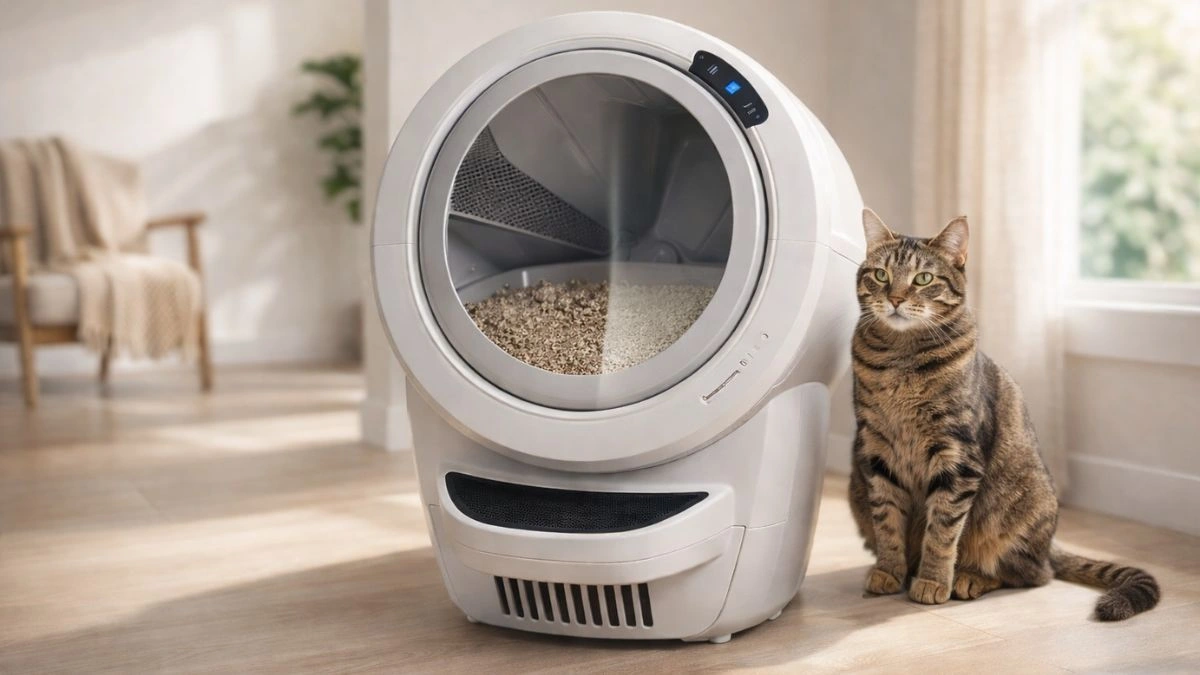
How to Stop Odor in Automatic Litter Boxes (Advanced Guide That Actually Works)
Quick Answer
If your automatic litter box smells, the most common causes are waste buildup, poor airflow, or the wrong litter type. Improving daily maintenance, ventilation, and using proper clumping litter can quickly eliminate odor and keep your home fresh.
Expert Verdict (Quick Summary)
In most cases, the issue isn’t the machine—it’s how the system is being used and maintained.
Best quick fix: check the waste drawer daily, improve airflow, and switch to a high-quality clumping or crystal litter.
In real-world use, consistent small habits make the biggest difference. And if odor still persists, a sealed system like the Litter-Robot 4 can significantly reduce smells thanks to better waste containment and airflow control.
Are you waking up to a sharp, lingering smell from your automatic litter box and wondering if the system is failing your home?
That strong odor can quickly turn a convenient solution into a daily frustration—and even affect your cat’s comfort and behavior.
You need a practical, reliable approach that actually works without adding more effort to your routine.
This advanced guide focuses on real-world fixes, smart routines, and proven odor control strategies. You’ll learn what actually causes litter box smell, how to fix it step by step, and how to keep your home fresh consistently.
In real-world use, even high-end automatic units can develop odor issues if small details are ignored. As Rob Hunter of PetSafe highlights, daily maintenance still plays a key role—even with self-cleaning systems.
Keep reading for actionable strategies that eliminate odor at the source, improve your cat’s environment, and simplify your routine.
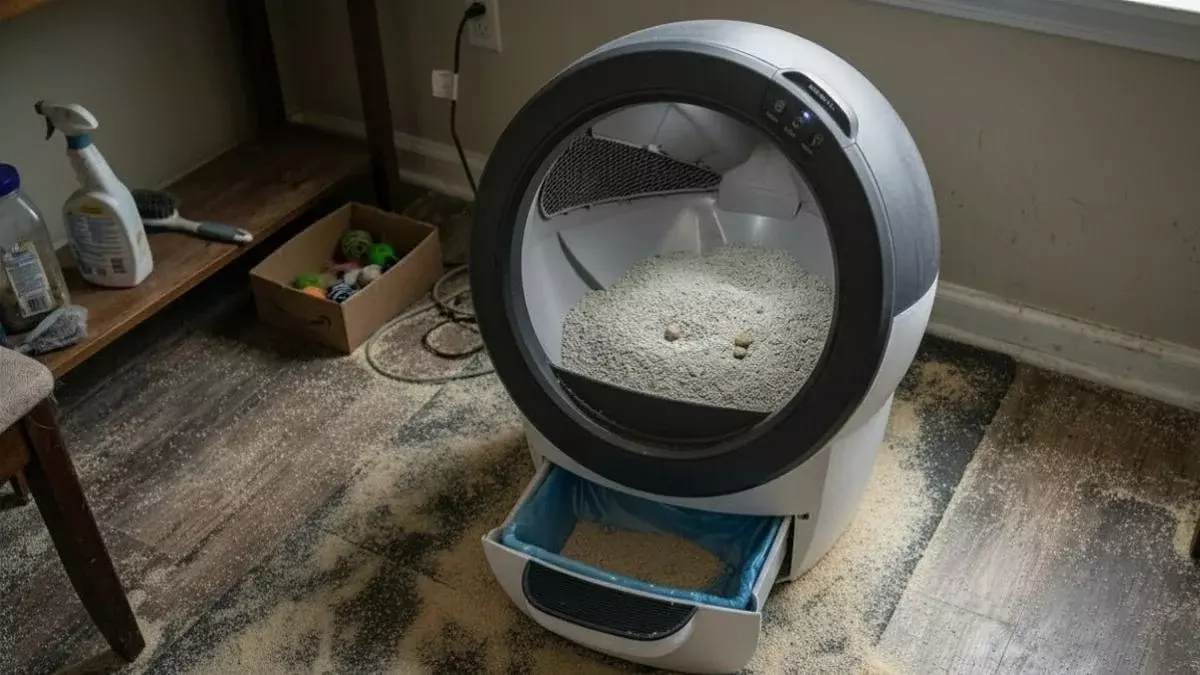
Key Takeaways
- Understand how your unit handles waste to identify the real source of odor (not just the surface smell).
- Follow a simple daily routine to support automatic cleaning cycles and prevent buildup.
- Choose the right litter type and filters to improve odor control and system performance.
- Apply proven odor control methods instead of masking smells with fragrances.
- Small, consistent habits lead to better long-term freshness and less maintenance.
Understanding Why Your Automatic Litter Box Smells
To fix the problem effectively, you need to trace odor back to its real source—not just the smell itself.
In most cases, odor builds in specific zones, such as the waste drawer, damp litter areas, or poorly ventilated spaces. These are the points where waste sits longer and airflow is limited, allowing bacteria and ammonia to develop.
In real-world use, many odor issues are not caused by the unit itself, but by how waste accumulates and how the environment affects it.
If you’re noticing persistent smell even after cleaning, it may be due to deeper issues like buildup patterns or system behavior. In that case, it helps to understand the full breakdown of causes and fixes in this guide on why automatic litter boxes smell and how to fix it.
Identifying where waste stays longest and where air circulation is weak will give you a clear path to fix the root cause instead of masking the problem.
Identifying Waste Buildup Patterns
When waste sits too long in the drawer, odor builds up much faster than most people expect. Even with automatic cycles, delayed removal allows ammonia and bacteria to develop quickly.
In real-world use, this is one of the most common causes of persistent smell—especially in multi-cat homes or when the drawer isn’t checked frequently.
To reduce this, monitor your cat’s usage patterns and make sure the unit is cycling properly. If the system is not cleaning at the right time, waste can remain exposed longer than it should. In these cases, it’s worth checking this troubleshooting guide on why automatic litter boxes may stop cleaning properly.
Check seals and drawer fit regularly. A loose or misaligned seal allows odor to escape even if the cleaning cycle runs correctly, making the problem seem worse than it actually is.
Managing Moisture and Ventilation Issues
Humidity is one of the biggest hidden causes of odor. When litter stays damp, it breaks down faster and allows bacteria to grow, which intensifies cat urine smell over time.
Rooms like bathrooms and laundry areas are especially problematic because they trap moisture and reduce evaporation. In real-world use, moving the litter box to a drier space can significantly reduce odor almost immediately.
Proper airflow is just as important. Stagnant air traps ammonia and prevents litter from drying, creating the perfect environment for persistent smells.
For effective odor control, place the unit in a dry, well-ventilated area and inspect vents and seals regularly. If you’re unsure which litter performs best in humid conditions, choosing the right type makes a major difference—especially in automatic systems. You can explore the best options in this guide to the best cat litter for automatic litter boxes.
To keep odor under control, a few simple adjustments can make a noticeable difference:
- Track where waste accumulates and adjust cleaning frequency accordingly
- Move units out of damp or humid rooms whenever possible
- Ensure the waste drawer is properly sealed to prevent odor leaks
In practical terms, these small changes often solve most odor issues without requiring new equipment or complex fixes.
How to Stop Odor in Automatic Litter Box Units Through Proper Placement
Where you place your unit directly affects how quickly odors spread and build up inside your home.
Choosing a dry, well-ventilated location gives you a major advantage in long-term odor control, helping litter stay drier and reducing the conditions that allow bacteria and ammonia to develop.
Avoid placing your unit in humid areas like bathrooms or laundry rooms. Moisture keeps litter damp, which accelerates bacterial growth and makes litter box odor significantly worse over time.
Instead, position the unit near natural airflow, such as a fan or A/C vent. This helps dry soiled litter faster and improves the evaporation of urine, reducing odor buildup.
For best results:
- Keep the litter box in an open, well-ventilated space
- Avoid tight corners where air circulation is limited
- Place the unit where odors won’t become trapped
If you have multiple cats, consider placing litter boxes in separate areas of your home. This helps distribute waste more evenly and prevents strong, concentrated smells in a single location.
In real-world use, proper placement alone can significantly improve odor control—sometimes without changing litter or increasing cleaning frequency. And if you’re unsure how these systems manage waste and airflow internally, understanding how automatic litter boxes work can help you optimize their performance.
Good placement also keeps your cat more comfortable and reduces the risk of accidents outside the box. With the right setup, your automatic unit performs more efficiently—and your home stays consistently fresh.
Selecting the Right Litter for Maximum Odor Control
Litter type plays a critical role in how effectively urine and waste are contained—and directly impacts your home’s air quality and odor control.
Different materials behave very differently inside automatic systems. Crystal litter, for example, can be significantly more effective at controlling odor because its porous structure absorbs moisture quickly and slows bacterial growth.
In real-world use, crystal litter tends to last longer in low-humidity environments, while high-quality clay options perform better in terms of clumping consistency and sensor compatibility.
Clumping performance is just as important. High-quality clumping litter forms solid clumps quickly, which helps isolate waste, reduce exposure, and extend the time between full cleanings.
If you’re unsure which option works best for your setup, choosing the right product can make a major difference in both performance and smell control. You can explore the best litter options for automatic systems in this guide to the best cat litter for automatic litter boxes.
The Role of Clumping Agents
You should make sure the litter you choose matches your unit’s specific requirements. Some automatic models rely on precise clumping behavior for sensors to detect waste and trigger cleaning cycles correctly.
In real-world use, using the wrong type of litter can lead to delayed cycles, poor waste separation, and increased odor over time.
“Using the correct type ensures sensors detect waste reliably and triggers cleaning cycles on schedule.”
| Litter Type | Odor Control | Best Use |
|---|---|---|
| Crystal | Excellent | Long intervals, multi-cat homes |
| Clumping Clay | Good | Standard units, fast clumping |
| Non-clumping | Fair | Not ideal for automatic systems |
| Scented Products | Poor | Avoid if your cat is sensitive |
To get the best results from your litter choice, a few small adjustments can significantly improve odor control:
- Add a small pinch of baking soda for extra neutralizing power, but avoid overuse—cats have sensitive noses
- Avoid scented litter options, as they can repel your cat and often mask odors instead of eliminating them
In practical terms, the right litter combined with proper usage habits can make a bigger difference than the machine itself.
Troubleshooting Sensor and Cleaning Cycle Issues
A misfiring sensor or a loose waste drawer seal is often the reason behind sudden, persistent odor—even when the unit appears to be working normally.
In real-world use, many odor problems are actually caused by delayed or failed cleaning cycles, allowing waste to sit longer than expected.
If your unit isn’t cycling properly or seems inconsistent, it may be a deeper mechanical issue that requires closer inspection of sensors, seals, and cleaning performance.
Sensor Calibration and Accuracy
Start by checking the sensors. Proper calibration ensures the unit begins its cleaning cycle shortly after your cat leaves, preventing waste from sitting exposed.
If sensors are inaccurate, waste can remain inside the unit longer, leading to stronger odor buildup over time.
Clean sensors regularly using a dry, soft cloth to remove dust and residue. In multi-cat households, make sure the system can accurately detect each cat’s weight so cleaning cycles trigger consistently.
Waste Drawer Seal Integrity
Inspect the waste drawer and seal at least once a week. A misaligned or partially inserted drawer allows odors to escape, reducing overall odor control—even if the unit is cycling correctly.
To prevent this, follow a few key checks:
- Ensure the drawer is fully inserted—even a small gap can leak smells
- Check for worn or warped seals and replace them when needed
- Realign a crooked or uneven drawer, as many issues come from simple misplacement
In real-world use, small alignment problems are one of the most overlooked causes of persistent odor.
“Simple sensor cleaning and a tight seal keep most mechanical problems from becoming a smell problem.”
Daily Maintenance Routines for Freshness
A simple daily routine is one of the most effective ways to prevent odor before it starts and keep your unit working as intended.
You don’t need much time—just a few consistent checks each day can make a major difference in long-term odor control.
In real-world use, even high-end automatic units require light daily attention to perform at their best.
To maintain freshness, follow this quick routine:
- Scoop or check the waste drawer at least once every 24 hours to prevent buildup
- If using non-clumping litter, remove soiled material immediately to avoid rapid ammonia formation
- Check the drawer each morning for fullness and loose clumps
- Add a small pinch of baking soda for extra odor control (use sparingly and ensure pet safety)
- In multi-cat homes, monitor sensor activity and cleaning cycles daily
- Keep an air purifier nearby to manage lingering odors and improve air quality
- Sweep or vacuum around the unit to prevent tracked litter from spreading odor
In practical terms, these small daily habits are what separate a clean, odor-free setup from a constantly frustrating one.
“Consistent, short habits are the most effective way to preserve freshness and extend product life.”
Weekly Deep Cleaning and Sanitization Protocols
A quick weekly cleaning routine helps prevent bacteria buildup from turning minor odors into persistent problems.
By removing residue early, you stop odor at the source and keep your unit performing efficiently over time.

To keep your unit in top condition, a short weekly routine is enough to prevent bacteria buildup and control odor effectively.
Follow this simple cleaning checklist:
- Wipe the globe or pan interior with an enzymatic cleaner to break down urine residue and reduce bacteria
- Check the base if using clumping litter and remove any wet clumps before they harden
- Empty and clean the waste drawer at least once per week, as old waste is a major source of lingering odor
- Increase cleaning frequency in multi-cat households to handle higher usage
- Allow all surfaces to dry completely after cleaning, since moisture promotes mold and bacterial growth
- Schedule a full deep clean once a month to reach hidden areas and prevent long-term buildup
In real-world use, consistent weekly maintenance is what prevents small odor issues from becoming persistent problems.
Proper sanitization is essential for maintaining effective odor control, while also keeping your cat’s environment safe, clean, and comfortable.
| Task | Frequency | Why It Matters |
|---|---|---|
| Wipe interior with enzymatic cleaner | Weekly | Breaks down urine residue and bacteria |
| Inspect base and pan | Weekly | Removes stuck clumps and waste buildup |
| Full deep clean | Monthly | Eliminates hidden buildup and extends unit life |
In practical terms, following this simple schedule helps prevent long-term odor buildup while keeping your unit efficient and easier to maintain.
“Weekly attention prevents small problems from becoming persistent issues.”
Monthly Overhaul and Component Replacement
Once a month, treat your unit like a full reset. Empty all waste, replace all litter, and thoroughly clean each component to remove residue that daily and weekly routines may miss.
This deeper cleaning helps prevent odor from settling into plastic surfaces, which is one of the main causes of persistent smells over time.
In real-world use, skipping this monthly reset is often what leads to that “permanent odor” effect—even when the unit appears clean.
When to Replace the Entire Unit
During your monthly check, inspect all components—especially plastic surfaces and moving parts. If the base or pan shows deep scratches, it may be time to replace the unit, as bacteria can hide in crevices and cause persistent odor that cleaning won’t remove.
Regular maintenance still matters. A full monthly litter replacement and deep cleaning help prevent saturated waste buildup, particularly when using non-clumping litter.
Also check for signs of wear:
- Worn seals that allow odor to escape
- Aging gears or motors that disrupt cleaning cycles
- Inaccurate sensors that delay waste removal
Over time, plastic naturally absorbs odor and performance declines. In most cases, replacing the unit every 2–3 years helps maintain consistent hygiene and odor control.
In real-world use, once odor starts to persist inside the structure itself, replacing individual parts often isn’t enough.
“Even with careful cleaning, persistent smell through plastic is a clear sign you need a new unit.”
If you’re considering an upgrade, choosing a model with better sealing and odor control design can make a noticeable difference in daily use. You can compare top-performing options in this guide to the best automatic litter boxes for cats.
Keep a simple monthly routine and prioritize replacements that protect your cat’s health while keeping your home consistently fresh.
Common Mistakes That Worsen Odor
Even well-designed automatic litter boxes can develop odor issues when small but critical mistakes are overlooked.
A few common habits can quickly turn a manageable system into a constant source of unpleasant smells inside your home.
Recognizing these mistakes early allows you to fix them fast—and maintain a cleaner, fresher environment for both you and your cat.

Avoiding a few common mistakes can make a major difference in odor control and overall hygiene.
Here are the most frequent issues—and how they impact your setup:
- Poor placement in a cramped or unventilated area traps odors and may cause your cat to avoid the box
- Relying on scented products often masks odors temporarily while worsening the underlying problem
- Not emptying the waste drawer regularly allows ammonia buildup to spread throughout your home
- Using the wrong clumping litter can interfere with sensors and leave waste exposed
- Adding too much baking soda may irritate your cat and lead to accidents outside the box
- Neglecting sensor cleaning allows dust and debris to disrupt cleaning cycles
- Placing the box in a hard-to-reach area can make your cat avoid using it altogether
In real-world use, these small mistakes are often the root cause of persistent odor—even when the unit itself is functioning properly.
Avoiding them helps protect your home’s air quality, reduces long-term odor issues, and keeps your cat more comfortable. Simple adjustments in routine and setup can make a noticeable difference.
Conclusion
Consistent, simple habits are the foundation of effective odor control and long-term performance. A quick daily check, a weekly clean, and a monthly inspection keep your automatic litter box working efficiently while maintaining a fresh home environment.
Choosing the right litter type and placing the unit in a well-ventilated area significantly improves results. Avoid strong artificial scents, as they can disrupt your cat’s behavior and reduce the system’s effectiveness.
If odor persists, inspect key components like sensors and waste drawer seals, and consider replacing the unit every few years to eliminate deep-set smells that cleaning alone can’t resolve.
In real-world use, consistency is what makes the biggest difference. With the right routine, you protect your cat’s comfort, maintain better hygiene, and enjoy reliable odor control over time.
FAQ: Automatic Litter Box Odor
Why does my automatic litter box still smell even after emptying?
Automatic litter box odor usually persists due to hidden buildup in seals, sensors, filters, or internal surfaces—not just visible waste. Waste can remain trapped in crevices, while saturated filters and moist residue allow bacteria to grow. In real-world use, the most common causes are dirty waste drawer seals, saturated filters, and residue on internal surfaces. Clean components weekly, replace filters as recommended, and always dry all parts completely before reassembly.
How often should you change cat litter for best odor control?
For effective litter box odor control, litter should be changed based on usage and consistency. With one cat, scoop daily and do a full change every 2 to 4 weeks. In multi-cat homes, scoop twice daily and do a full change every 1 to 2 weeks. Using high-quality clumping litter helps trap waste faster and reduce odor between cleanings.
What litter types work best with automatic litter boxes?
The best litter for automatic litter boxes is fine-grain clumping clay or silica crystal litter. Fine-grain clumping clay provides strong clumps and better sensor compatibility, while crystal litter offers superior moisture absorption and odor control. Avoid non-clumping or heavy litter, as it can stick to components and disrupt cleaning cycles.
Can baking soda help control odor in automatic litter boxes?
Baking soda can help neutralize litter box odor, but only when used in small amounts. A light layer improves odor control, while overuse may clog mechanisms or interfere with sensors. Always avoid direct contact with internal components and ensure compatibility with your unit.
How do placement and ventilation affect litter box smell?
Litter box placement directly affects odor buildup and air quality. The unit should be placed in a dry, well-ventilated area, away from enclosed spaces, excess heat, and humidity. Proper airflow helps reduce ammonia buildup, improves litter drying, and limits bacterial growth
What daily routine works best for multi-cat households?
Multi-cat households require a stricter daily routine to control odor. Check or run cleaning cycles at least once per day, empty the waste drawer more frequently, and use one litter box per cat plus one extra when possible. In practical terms, more cats create faster buildup, making consistency essential.
How do I fix sensors that don’t trigger cleaning cycles?
Sensor issues are usually caused by dust, residue, or calibration problems. Clean sensors with a lint-free cloth, remove litter dust and buildup, and recalibrate according to the manufacturer’s instructions. Also check power supply, unit leveling, and sensor alignment. If the issue persists, replacement or support may be required.
When should you replace seals, filters, or internal parts?
Replace seals, filters, or internal parts when wear or odor persists after cleaning. Look for cracks, warping, looseness, or reduced airflow. Worn components allow odor to escape and reduce system efficiency.
How often should you replace the entire automatic litter box?
Automatic litter boxes should typically be replaced every 2 to 4 years. Replace sooner if odor becomes embedded in plastic, cleaning performance declines, or mechanical issues become frequent. In real-world use, once odor penetrates internal materials, replacement is often the only long-term solution.
What common mistakes make litter box odor worse?
Common mistakes can quickly worsen litter box odor, even in automatic systems. These include using the wrong litter, skipping regular cleaning, overfilling the unit, poor placement in humid areas, and ignoring filters or seals. Small issues build up over time and lead to persistent odor problems.
Are enzyme cleaners effective for removing urine odor?
Enzyme cleaners are highly effective for removing urine odor at the source. They break down organic compounds instead of masking smells. For best results, apply to non-electronic surfaces, allow proper dwell time, and avoid contact with sensors or electronic components.
What deep-clean routine prevents long-term odor buildup?
removable parts regularly, wash with warm water and mild detergent, sanitize with a pet-safe cleaner, and clean hidden areas where residue accumulates. Always rinse thoroughly and allow everything to air-dry completely.