

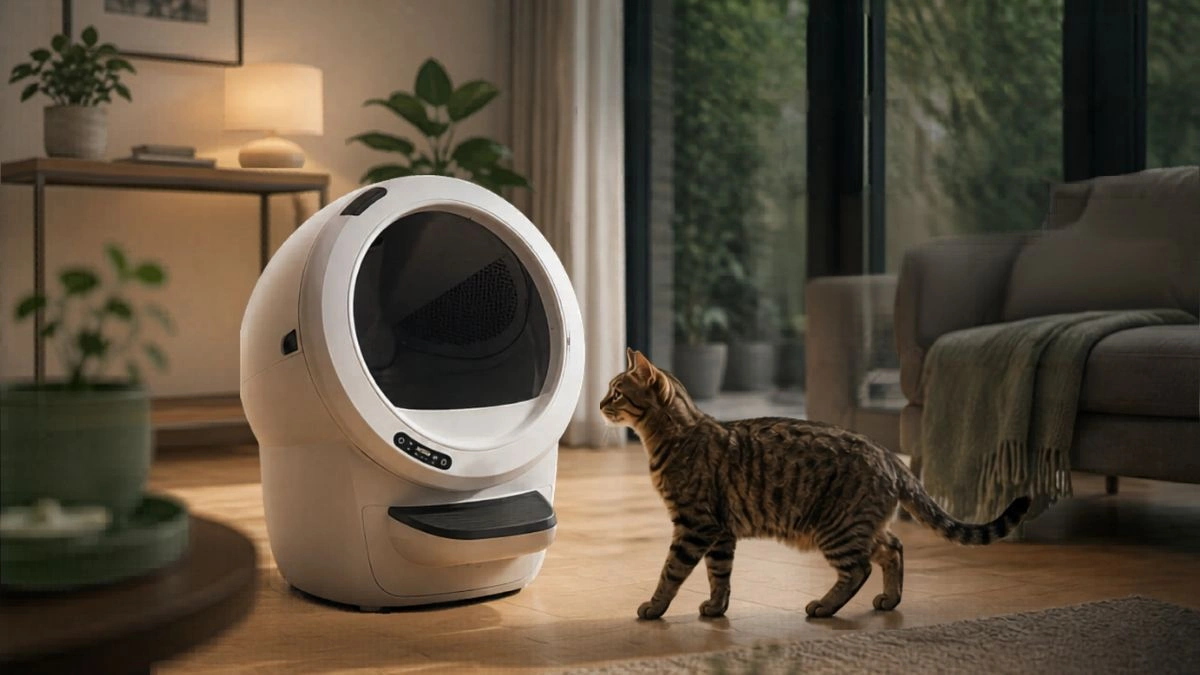
Are Automatic Litter Boxes Worth It for Busy Owners? Or Just Another Daily Hassle? (2026)
No time to scoop every day? Are automatic litter boxes actually worth it when your schedule is packed — or do they just replace one chore with another?
For many cat owners, a busy routine makes it easy to delay cleaning. Skip a day… then another… and suddenly odor builds up, your home feels less fresh, and your cat may even start avoiding the box.
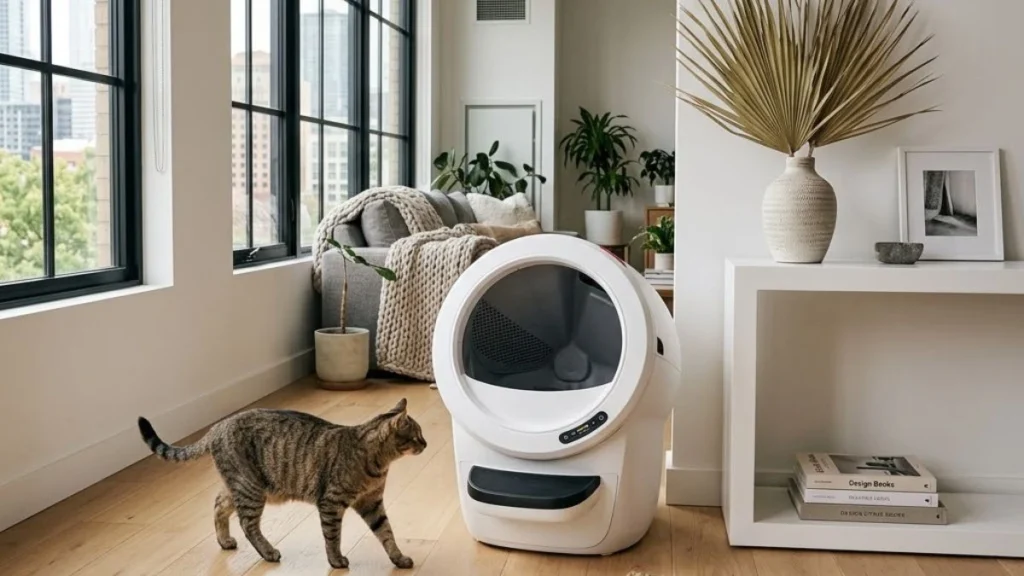
In fact, many people start questioning whether automatic litter boxes really work in real homes — or if they’re just overhyped.
It’s not just about convenience. As veterinarians often point out, inconsistent litter box cleaning can create stress for your cat and lead to unwanted behavior.
That’s why understanding how automatic litter boxes actually work in daily use is key before deciding if they’re worth it for your lifestyle
This 2026 guide cuts through the hype. Instead of repeating marketing claims, we’ll break down what really happens in real homes — the good, the bad, and the mistakes most people make.
Key Takeaways
- Daily scooping quickly becomes a time burden for busy owners.
- Odor builds fast when cleaning is inconsistent.
- Automatic systems improve consistency — but don’t eliminate maintenance.
- Most problems come from setup mistakes, not the product itself.
- Real-world performance matters more than marketing claims.
- The biggest benefit isn’t convenience — it’s routine consistency.
Quick Answer & Key Takeaways
Yes — automatic litter boxes are worth it for busy owners when used correctly. They eliminate daily scooping, reduce odor, and create a more consistent cleaning routine.
However, they are not maintenance-free. You still need to empty the waste drawer, use the right litter, and keep a simple cleaning routine.
When properly set up, they don’t just save time — they reduce stress and keep your home consistently cleaner.
As many experts point out, a consistently clean litter box is essential for your cat’s health, helping prevent issues related to poor hygiene and irregular cleaning.
Instant Summary of Benefits
- You save 30–60 minutes per week by eliminating daily scooping.
- The system removes waste automatically after each use.
- Your home stays fresher with reduced odor buildup.
- Many models include app tracking for monitoring habits remotely.
Key Takeaway Points for Busy Cat Owners
- This system reduces the daily burden of manual cleaning and odor control.
- A consistently clean litter box supports your cat’s health and behavior.
- Automation helps create a predictable and stress-free routine.
- The biggest benefit isn’t convenience — it’s consistency over time.
- Long-term use can reduce litter waste and improve efficiency.
- Proper setup matters more than the product itself.
- Gradual introduction helps avoid resistance from your cat.
Why Daily Litter Cleaning Becomes a Problem (Fast)
Keeping your home fresh with a cat shouldn’t feel like a constant battle — but for many owners, it quickly turns into exactly that.
The combination of daily waste, odor buildup, and inconsistent cleaning routines creates a cycle that’s hard to keep up with — especially when your schedule is already full.
And the moment you skip a day, everything changes.
How Much Time Are You Actually Losing Every Week?
Manual scooping takes around 5 to 10 minutes per day. It doesn’t sound like much — until you add it up.
Over a week, that’s 30 to 60 minutes spent on a single repetitive task.
For busy owners, this becomes more than just a chore. It’s a constant interruption in your routine, something you have to remember, plan for, and deal with no matter how tired you are.
Why Odor Becomes a Bigger Problem Than You Expect
When cleaning isn’t consistent, waste builds up quickly. And with it, odor spreads fast through your home — often faster than people expect.
But here’s what most owners don’t realize:
The problem usually isn’t just the litter box — it’s the setup.
In fact, many common issues come from not understanding why automatic litter boxes start to smell and how to fix it.
When odor is not controlled properly:
- your home feels less clean and less comfortable.
- your cat may avoid the box completely.
- cleaning becomes more frequent, frustrating, and time-consuming.
Why Inconsistency Affects Your Cat More Than You Think
Cats are extremely sensitive to cleanliness. A litter box that isn’t consistently clean can lead to stress, avoidance behavior, and even accidents outside the box.
This isn’t just a convenience issue — it’s a behavior and hygiene issue.
That’s why solving the root problem isn’t about cleaning more.
It’s about creating a system that keeps things consistently clean without relying on your daily effort.
Traditional vs Automatic Litter Boxes: A Real Time-Saving Comparison
A side-by-side comparison reveals something most people don’t expect:
the biggest difference isn’t effort — it’s consistency.
While traditional litter boxes depend entirely on your routine, automatic systems work in the background, keeping the box clean even when you’re busy.
Time Savings Table Overview
The data below shows where your time actually goes — and where you get it back.
| Task | Traditional Method | Automatic System |
|---|---|---|
| Daily effort | 5–10 minutes scooping | 0 minutes (automatic cycle) |
| Weekly time | 30–60 minutes total | ~10 minutes maintenance |
| Odor control | Inconsistent | Consistent cleaning |
| Litter usage | Standard | Up to 50% less waste |
Effort and Consistency: What Actually Changes
A traditional litter box demands your attention every single day.
If you skip even once, odor and buildup start immediately.
With an automatic system, the process is different:
- waste is removed shortly after each use
- the litter surface stays consistently clean
- your role shifts from daily work to simple weekly maintenance
This doesn’t eliminate responsibility — but it removes the most repetitive part of the routine.
Why This Matters More Than You Think
For most busy owners, the real benefit isn’t just saving time.
It’s removing the mental burden of thinking about cleaning every single day.
That’s where automatic systems win:
- less mental load.
- more predictability.
- a cleaner environment for your cat.
And when used correctly, they also reduce many common issues — especially those related to setup, maintenance, and performance problems.
What Actually Changes After 7 Days of Use
Real-world performance doesn’t happen instantly. It unfolds in phases — and what happens in the first few days is very different from what happens after one week.
Day 1–3: Curiosity, Hesitation, and Adjustment
In the beginning, most cats are curious — but cautious.
They may:
- approach the unit slowly
- observe the movement or sound
- hesitate before using it
This is completely normal.
During this phase, it’s important to monitor your cat’s behavior closely and make sure they are not avoiding the box.
A simple strategy that works in real homes:
keep the old litter box nearby for a few days
This creates a low-stress transition and helps your cat adapt naturally.
Day 4–7: Routine Starts to Form
By the end of the first week, something important happens:
this is where everything starts to feel easier.
Once they understand the environment:
- usage becomes consistent
- hesitation drops significantly
- the cleaning cycle is no longer a concern
At this stage, you’ll start noticing the real benefit:
✔ the litter surface stays clean after each use
✔ odor is significantly reduced
✔ your daily involvement drops dramatically
After One Week: Where It Starts to Feel Worth It
This is the turning point.
Instead of thinking about cleaning every day, you’re simply managing the system occasionally.
In most single-cat homes:
- the waste drawer stays manageable for several days.
- cleaning becomes a quick weekly task.
- your routine feels lighter and more predictable.
And this is exactly where many owners realize
automatic litter boxes are not just convenient — they’re consistent.
Why Placement Still Matters During This Phase
Even with automation, results depend heavily on setup.
If the unit is placed in a noisy or high-traffic area, your cat may take longer to adapt — or avoid it entirely.
That’s why following proper automatic litter box placement guidelines makes a huge difference in how quickly your cat adjusts.
Are Automatic Litter Boxes Worth It? Pros, Cons, and Who Benefits Most
A self-cleaning litter box can feel like a huge upgrade — but only if it fits your routine and your cat’s behavior.
The key isn’t just what the machine does — it’s how well it fits your lifestyle.
Pros and Key Benefits Explained
The advantages are clear when the system is used correctly:
- Superior odor control: waste is removed quickly and contained, keeping your home noticeably fresher
- Less daily work: eliminates the need for manual scooping every single day
- More predictability: the litter stays clean after each use, not just when you remember
- Health tracking: many models track usage, helping you spot behavior changes early
This is why many owners move from frustration to a more predictable, low-effort routine.
Cons and Limitations to Consider
Despite the benefits, there are trade-offs you need to understand:
- Higher upfront cost: significantly more expensive than a traditional box
- Still requires maintenance: not “set and forget” — you’ll still need weekly cleaning and checks
- Noise sensitivity: some cats may be startled by the cleaning cycle at first
- Setup matters: poor placement or wrong litter can cause performance issues quickly
In fact, many frustrations happen when owners don’t follow proper automatic litter box maintenance routines.
Who Benefits the Most (And Who Doesn’t)
This is where things become clear.
Best for:
- busy owners who want less daily effort
- multi-cat households needing consistent cleanliness
- people struggling with odor control
- anyone who wants a more automated routine
Not ideal for:
- owners who prefer full manual control
- cats that are extremely sensitive to noise
- homes where proper setup isn’t possible
The Real Decision Comes Down to This
Automatic litter boxes don’t eliminate responsibility.
They eliminate the most repetitive part of it.
And for busy owners, that’s usually what matters most.
Why Most People Think It’s Not Worth It (And Get It Wrong)
To get the full benefit of a self-cleaning litter box, you need to avoid a few common mistakes.
The truth is simple: most problems don’t come from the machine — they come from how it’s used.
Ignore these details, and what should save you time can quickly become a constant source of frustration.
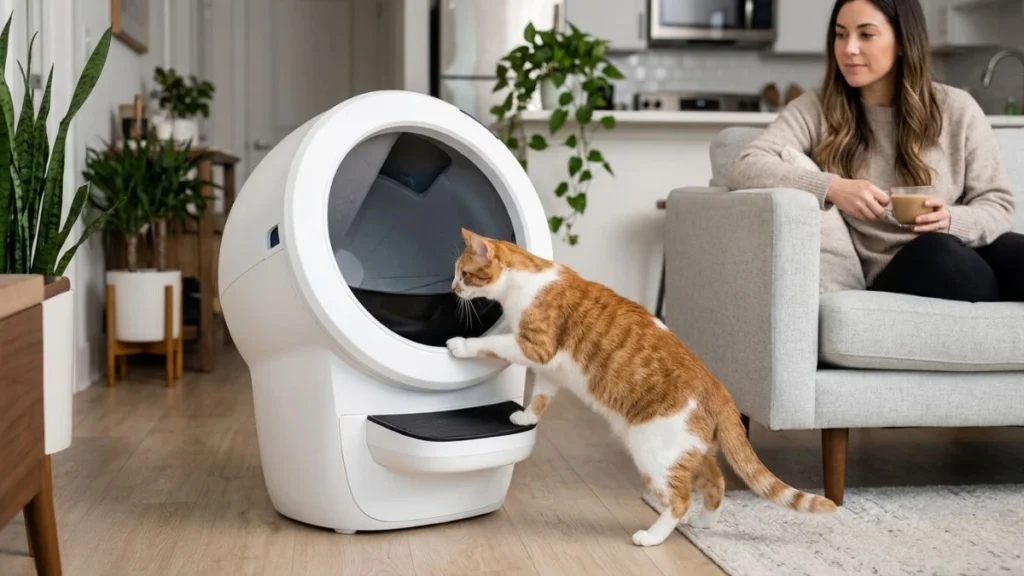
Choosing the Right Litter and Placement (Where Most Issues Start)
Using the wrong type of litter is one of the most common reasons systems fail.
- non-clumping litter → breaks the cleaning cycle
- dusty or lightweight litter → causes buildup and errors
Choosing the best litter for automatic litter boxes is critical for performance.
Placement is just as important.
If the unit is placed in a noisy or high-traffic area, your cat may:
- feel stressed
- avoid the box
- take longer to adapt
Small setup mistakes like this often explain why your automatic litter box starts to smell even when you clean it regularly.
Maintenance Pitfalls That Cause Most Problems
Even the best systems fail when maintenance is ignored.
The most common mistakes:
- not emptying the waste drawer regularly.
- letting buildup accumulate inside the globe.
- ignoring small performance issues early.
In many cases, issues happen simply because owners don’t follow a proper automatic litter box cleaning schedule.
To avoid this, keep it simple.
- empty the drawer on schedule.
- wipe the interior regularly.
- keep the unit on a level surface.
Why Fixing These Mistakes Changes Everything
When these issues are corrected:
- the system runs smoothly and consistently
- odor is significantly reduced
- your cat uses the box without hesitation
And suddenly, what felt frustrating starts to feel effortless and reliable.
How Cats Adapt to Automatic Litter Boxes in Busy Homes
Your cat’s comfort with a self-cleaning system depends on two things: instinct and environment.
In busy homes, one factor makes the biggest difference:
consistent cleanliness
Cats naturally prefer a clean space. When the litter box stays clean after each use, adaptation becomes much easier and faster.
Behavioral Adaptation: What to Expect
Most cats adjust within a few days — but the process isn’t instant.
At first, they may:
- be curious but cautious
- observe the movement or sound
- hesitate before fully using it
This is normal.
Over time, they begin to associate the system with a stable and consistently clean litter area, which builds trust.
Understanding whether cats actually like automatic litter boxes helps set realistic expectations during this phase.
| Consideration | Single Cat Home | Multi-Cat Home |
|---|---|---|
| Space needed | Standard size | Larger interior required |
| Cleaning cycle | Simple routine | Must avoid overlap |
| Waste management | 7–10 days | More frequent emptying |
| Behavior tracking | Straightforward | Needs closer monitoring |
In multi-cat homes, consistency becomes even more important to avoid territorial stress.
Tips for Managing Multi-Cat Households
If you have more than one cat, a few details make a big difference:
- ensure the unit is large enough for all cats.
- keep the area quiet and low-stress.
- monitor early behavior closely.
- empty the waste drawer more frequently.
Many owners underestimate how different things can be in multi-cat homes — especially when deciding if automatic litter boxes are worth it for multiple cats.
Why Environment Still Matters
Even with automation, setup plays a huge role.
If the space feels unsafe or unpredictable, your cat may:
- delay using the box.
- avoid it completely.
- develop inconsistent habits.
That’s why environment + consistency together are what truly determine success.
Cost, Litter Savings, and Maintenance: What You’re Really Paying For
Smart owners don’t just look at the price — they look at time, effort, and long-term value.
The real question isn’t “Is it expensive?”
It’s “What am I saving every week?”
Investment vs. Long-Term Savings
Most automatic litter boxes cost between $500 and $900 upfront.
At first, that seems high.
But here’s what changes over time:
- you eliminate daily scooping effort.
- you reduce odor-related cleaning.
- you use less litter over time.
In fact, many systems remove only soiled clumps, which can reduce litter usage by up to 50–60% annually.
That’s where the value starts to become clear.
Where You Actually Save Money (And Effort)
Beyond time, there are practical savings:
- fewer full litter replacements.
- less wasted material.
- standard waste bags (no special supplies needed).
Over time, this balances part of the initial cost — especially in busy or multi-cat homes.
Ongoing Maintenance: What It Really Looks Like
Automatic doesn’t mean zero effort — it means less frequent, more efficient maintenance flow
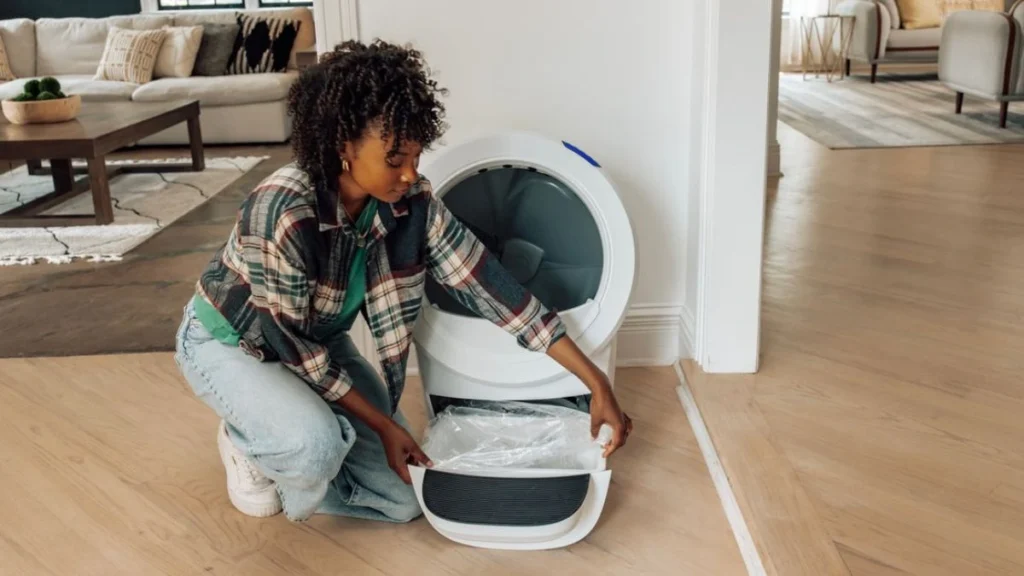
A simple routine is all you need:
- empty the waste drawer once per week.
- wipe the interior during cleaning cycles.
- check the system regularly.
Most issues only appear when owners ignore early signs — especially when the automatic litter box is not working properly.
Why This Changes the Experience Completely
When maintenance is simple and predictable:
- your home stays consistently clean
- odor stays under control
- your routine becomes lighter and easier to manage
And that’s what makes the investment feel worth it.
Final Verdict: Are Automatic Litter Boxes Worth It for Busy Owners?
The real test of any pet product is simple:
Does it remove more problems than it creates?
When it comes to automatic litter boxes, the answer is clear — for busy owners, they do.
They won’t eliminate responsibility completely —
but they remove the part most people hate.
daily scooping, odor buildup, and constant maintenance pressure
What You’re Actually Getting
When used correctly, an automatic litter box gives you:
- more time back every week
- a consistently clean environment
- less stress around daily routines
- a home that feels cleaner without constant effort
What You Still Need to Do
To get the full benefit, you still need:
- basic weekly maintenance
- proper setup
- the right litter and placement
In other words, it’s not “no work” — it’s less work, done smarter.
The Bottom Line
If your routine is busy, this isn’t just a convenience upgrade.
It’s a predictability upgrade.
And in real homes, that’s what makes the biggest difference.
Ready to Take the Next Step?
If you’re considering making the switch, the best way to start is by comparing your options and finding the right fit for your home.
That’s why it helps to explore the best automatic litter boxes in 2026 before choosing one.
Automatic Litter Box Questions
Are automatic litter boxes really worth it for busy owners?
Yes — for most busy owners, they are worth it. They eliminate daily scooping, reduce odor, and create a more consistent routine. However, they still require basic maintenance to perform well.
Do automatic litter boxes actually save time every day?
Yes. Instead of spending 5–10 minutes scooping daily, the system handles waste automatically. Over time, this can save 30–60 minutes per week.
Why do some automatic litter boxes still smell?
In most cases, odor comes from setup mistakes, wrong litter, or poor maintenance — not the machine itself. When used correctly, these systems significantly reduce smell.
Are automatic litter boxes safe for all cats?
Most modern models are designed with multiple safety sensors, making them safe for healthy adult cats. However, very small kittens or sensitive cats may require supervision during adaptation.
Do cats actually like automatic litter boxes?
Most cats adapt within a few days, especially if the environment is quiet and the box stays clean. Consistency and proper placement are key for successful adoption.
Can one automatic litter box handle multiple cats?
Yes, but it depends on the model and usage. In multi-cat homes, you may need more frequent emptying and proper monitoring to maintain performance.
How much maintenance do automatic litter boxes really need?
They are not maintenance-free. Most systems require weekly drawer emptying, light cleaning, and basic checks to keep everything running smoothly.