

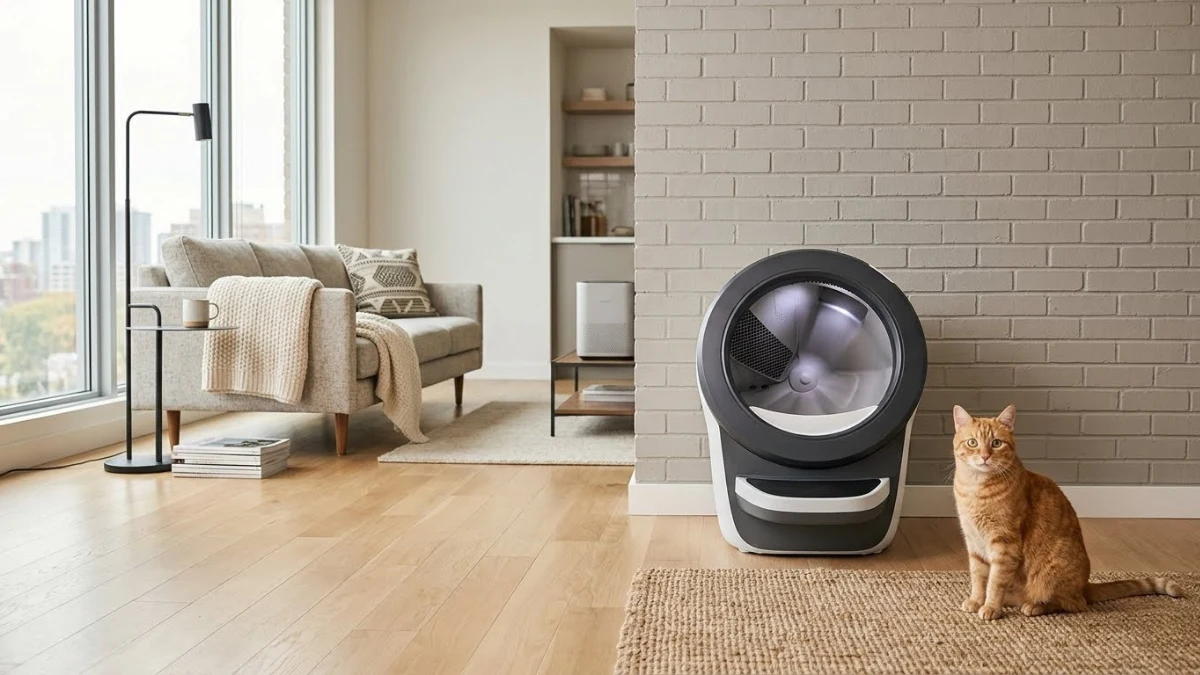
Best Automatic Litter Box for Odor Control (2026)
Does the smell in your home make you wonder if your cat’s litter box is the real problem?
You’re not alone. Many cat owners assume that scooping more often is the only way to control litter box odors. In reality, odor control depends on several factors, including litter box design, waste containment, filtration, and the materials used inside the unit.
Modern automatic litter boxes are designed to reduce daily maintenance while helping contain odors before they spread throughout your home. Features such as sealed waste drawers, carbon filters, and self-cleaning cycles can make a noticeable difference, especially in apartments, multi-cat households, and smaller living spaces.
Material choice also plays an important role. Stainless steel interiors are generally more resistant to odor absorption and easier to keep clean than traditional plastic surfaces. At the same time, choosing the right litter and following a simple maintenance routine can significantly improve overall performance.
The best automatic litter box for odor control is one that matches your cat’s habits, fits your available space, and makes it easier to maintain a cleaner, fresher home with less daily effort.
Quick Answer for Busy Cat Owners
When time is limited, the best automatic litter box for odor control is one that combines reliable self-cleaning, sealed waste storage, effective filtration, and simple maintenance.
For most cat owners, automatic litter boxes with sealed waste drawers and carbon filters provide the best balance between odor control and convenience. By removing waste shortly after each use and storing it in a closed compartment, these systems help reduce the spread of unwanted smells throughout the home.
If you live in an apartment or smaller space, a quiet self-cleaning model can make a noticeable difference by reducing both noise and odor buildup. Households with multiple cats may benefit from larger units that offer higher waste capacity and more frequent cleaning cycles.
Budget-friendly litter boxes can still perform well when paired with high-quality clumping litter and a consistent cleaning routine, although they typically require more hands-on maintenance than automatic systems.
The most effective odor-control system is not necessarily the most expensive one. The best choice is the model that matches your cat’s habits, your available space, and the level of maintenance you’re comfortable with.

- Sealed waste drawers help contain odors by isolating waste in a closed compartment instead of leaving it exposed to the air.
- Carbon filters and self-cleaning cycles work together to reduce odor buildup between emptying sessions.
- Larger-capacity models are often the best choice for multi-cat homes, where waste accumulates faster throughout the day.
- The right clumping litter can dramatically improve odor control, regardless of which litter box you choose.
- Regular maintenance remains essential, since even the best automatic litter box cannot fully eliminate odors without proper cleaning.
| Type | Pros | Notes |
|---|---|---|
| High-end (Whisker Litter Robot 4) | Hands-free cleaning, app tracking, sealed waste drawer | Higher price; typically requires weekly drawer emptying |
| Quiet model (Meowant SC02) | Low noise (≈38dB), gentle cleaning cycle | Excellent for apartments, bedrooms, and nighttime use |
| Budget (Amazon Basics) | Affordable, simple design, high sides | Requires manual scooping; strong litter containment |
Understanding How Odor Control Systems Work
Effective odor control isn’t just about scooping more often. The best automatic litter boxes combine sealed waste storage, filtration technology, and smart waste handling to stop smells before they spread throughout your home.
How a system traps odors comes down to three key components: the sealed waste drawer, the filtration system, and the way waste is collected after each use. Together, these features help reduce airborne ammonia, bacterial growth, and lingering odors, keeping your home fresher between cleanings.
Sealed Waste Drawers
Sealed waste drawers are the first line of defense against litter box odors. By isolating waste inside a dedicated compartment, they prevent ammonia-rich air from circulating throughout your living space.
Many premium self-cleaning litter boxes use enclosed waste drawers that remain sealed until emptying day, significantly reducing odor leakage compared to traditional open litter boxes.
Carbon Filter Technology
Carbon filters help absorb and neutralize lingering odors before they escape the waste compartment. If you’re dealing with persistent smells, understanding the anchor text most common causes of litter box odors can help you solve the problem faster. Many modern automatic litter boxes also include replaceable carbon filters that continuously capture odor particles between cleaning cycles.
To maintain peak performance, replace carbon filters according to the manufacturer’s recommendations.
Waste Compartment Design
The design of the waste compartment plays a major role in long-term odor control. Well-designed systems move waste into a closed area immediately after the cleaning cycle, reducing exposure to air and limiting bacterial buildup.
Less exposed waste means fewer odor-causing bacteria, a cleaner litter area, and a fresher environment for both cats and owners.
- Practical benefit: A sealed waste drawer combined with an effective carbon filter can significantly reduce how often you need deep cleaning.
- Maintenance tip: Always use compatible clumping litter and replace filters on schedule to maintain maximum odor control.
The Best Automatic Litter Box for Odor Control in 2026
If your goal is to reduce litter box odors while spending less time scooping, choosing the right self-cleaning system can make a significant difference.
Among the most popular options available today, the Whisker Litter-Robot 4 stands out for its combination of automatic waste removal, sealed waste storage, and smart monitoring features. Its rotating drum system separates waste after each use and moves it into a dedicated waste drawer, helping reduce odor buildup between cleanings.
The unit measures approximately 22 inches wide and 27 inches deep, so it works best in homes with enough floor space for a larger litter box setup. In return, owners benefit from fewer daily chores and a cleaner litter area throughout the week.
Another advantage is the companion app, which allows you to monitor litter box activity, cleaning status, and weight trends. These insights can be useful for tracking changes in your cat’s routine and identifying potential issues early.
If you’re considering this model, our detailed Litter-Robot 4 review covers everything from odor control and maintenance to long-term value and everyday usability.
- Compatible with most high-quality clumping litters recommended by the manufacturer.
- Reduces daily scooping to a simple weekly maintenance routine for many households.
- Sealed waste storage helps contain odors more effectively than traditional open litter boxes.
- Routine maintenance is straightforward, requiring periodic drawer emptying, filter replacement, and interior cleaning.
| Feature | Benefit | Notes |
|---|---|---|
| Rotating drum | Automates waste separation | Reduces manual scooping to weekly maintenance |
| Sealed waste drawer | Helps contain odors | Replace carbon filters as recommended |
| App tracking | Monitors weight and litter box visits | Useful for early health monitoring |
Evaluating Premium Versus Budget Models
When comparing premium and budget litter boxes, the biggest differences come down to odor control, convenience, durability, and long-term maintenance requirements.
Pros of Premium Models
Premium self-cleaning litter boxes often include sealed waste drawers, advanced safety sensors, app connectivity, and automatic cleaning cycles. These features help reduce daily maintenance while improving odor management between cleaning sessions.
Many high-end models also use higher-quality materials and more sophisticated filtration systems, making them a popular choice for cat owners who want a cleaner home with less effort.
If you’re wondering whether the extra investment is worthwhile, it’s worth exploring whether automatic litter boxes really work in everyday homes, including their real benefits, limitations, and long-term value.
Cons of Budget-Friendly Options
Budget-friendly litter boxes require a smaller upfront investment and can work well for owners who don’t mind regular maintenance. However, most rely on manual scooping and basic odor-control methods, which often means more hands-on cleaning over time.
Lower-cost plastic litter boxes may also develop scratches that trap bacteria and odors, making them harder to keep fresh compared to premium self-cleaning alternatives.
For owners focused on maximizing odor control, choosing the right litter for an automatic litter box can often improve performance just as much as upgrading the litter box itself.
Ultimately, the best choice depends on your budget, available space, cleaning preferences, and your cat’s individual needs. Premium models offer greater convenience and stronger odor management, while budget options remain a practical solution for many households.
| Type | Strength | Trade-off |
|---|---|---|
| Premium models | App tracking, advanced sensors, sealed waste storage | Higher price, larger footprint |
| Budget boxes | Lower cost, compact design | Manual scooping, fewer odor-control features |
| What to consider | Time, maintenance, pet health monitoring | Choose based on your routine, budget, and available space |
Why Your Litter Box Smells
Persistent litter box odors rarely come from a single cause. In most cases, the problem involves a combination of cleaning habits, litter quality, ventilation, and litter box design.
The two most common causes are ammonia buildup and bacterial growth. When urine isn’t removed quickly, ammonia accumulates and creates the strong odor many cat owners notice first. Over time, plastic litter boxes can develop small scratches that trap bacteria and biofilm, making odors much harder to eliminate completely.
If you’re dealing with ongoing odor issues, it may be worth reviewing your cleaning routine, litter quality, ventilation, and litter box maintenance before replacing your current setup.
- Ammonia buildup is one of the most common sources of litter box odors.
- Scratched plastic surfaces can trap bacteria and make smells harder to remove.
- Low-quality or non-clumping litter may leave waste stuck to the sides and bottom of the box.
- Poor ventilation allows odors to concentrate, especially in smaller rooms.
- Diet and health conditions can sometimes cause stronger-smelling waste that requires additional attention.
Regular deep cleaning with mild soap and water helps remove biofilm, bacteria, and odor-causing residue. Replacing litter on schedule and choosing a box with enough space for your cat can significantly reduce smells while creating a cleaner, healthier environment.
Essential Features for Odor Management
Choosing the right features can dramatically reduce odors, maintenance requirements, and day-to-day litter box problems.
Reliable sensors are the foundation of any effective self-cleaning litter box. They ensure the cleaning cycle starts only after your cat has safely left the unit, reducing safety risks while preventing unnecessary cycles that can spread odors and dust.
Sensor Accuracy
High-precision sensors detect weight, motion, and activity patterns to help prevent false triggers. Many premium models combine gravity and infrared sensors to improve reliability, safety, and overall performance.
If safety is one of your biggest concerns, it’s worth understanding how safe automatic litter boxes really are for cats before choosing a model.
Sealed waste drawers are another essential feature for odor control. A well-designed drawer keeps waste contained between emptying sessions and significantly reduces odor leakage. Models that combine sealed drawers with carbon filters typically deliver the strongest odor-control performance.
- Material: Non-stick stainless steel or coated surfaces reduce residue buildup and make cleaning easier.
- App tracking: Remote alerts can notify you when the waste drawer is full or when a filter needs replacement.
- Low entry height: Improves accessibility for senior cats and helps reduce accidents while making the litter box easier to use.
| Feature | Benefit | Why it matters |
|---|---|---|
| Sensor accuracy | Reduces false cycles | Improves safety and shortens cleaning cycles |
| Sealed waste drawer | Contains odors | Limits airborne waste between cleanings |
| Carbon filter | Neutralizes odors | Adds passive odor management |
| Material & design | Easier cleaning, less sticking | Reduces bacterial buildup and maintenance time |
Top Picks for Apartment Living
Living in an apartment doesn’t mean you have to live with litter box odors. The right combination of compact design, effective odor control, and quiet operation can make a noticeable difference in smaller spaces.
When choosing an automatic litter box for an apartment, look for features such as sealed waste storage, carbon filtration, and low-noise cleaning cycles. These features help minimize odors while reducing disruptions in bedrooms, bathrooms, and shared living areas.
Placement matters just as much as the litter box itself. A well-ventilated, low-traffic area can help improve odor control while giving your cat a calm and consistent place to use the litter box.
- Compact designs fit more easily into apartments and smaller rooms.
- Quiet operation helps reduce disturbances, especially in bedrooms and shared living spaces.
- Proper ventilation helps odors dissipate naturally instead of accumulating indoors.
- Easy maintenance makes it simpler to keep the litter area clean and fresh throughout the week.
| Model | Fit | Key Benefit |
|---|---|---|
| Meowant SC01 | Small apartments, closet placement | Self-cleaning, quiet operation, saves time |
| Arm & Hammer Sifting | Tight bathrooms, under-sink spaces | Affordable, high sides, simple maintenance |
| Vertical enclosed models | Multi-use rooms | Maximizes floor space and helps contain litter scatter |
Solutions for Multi-Cat Households

Multi-cat homes create more waste, more litter box visits, and greater odor challenges. Choosing the right system can significantly reduce maintenance while helping keep the litter area cleaner throughout the day.
Managing Waste Load
High-capacity litter boxes are often the best choice for households with multiple cats because they can handle more frequent use before requiring maintenance. Combined with automatic cleaning cycles, they help reduce odor buildup and maintain a cleaner litter surface between visits.
Automated cleaning also minimizes waste exposure, which can improve hygiene and create a more comfortable environment for every cat in the household.
If you’re comparing options, focus on models with larger waste capacity, reliable sensors, and effective odor-control systems designed for frequent daily use.
Cats in multi-cat homes generally benefit from:
- Larger waste capacity to reduce emptying frequency.
- Faster cleaning cycles that keep the litter area ready for the next visit.
- Reliable sensors that safely manage frequent daily use.
- Strong odor-control systems that help handle heavier waste loads.
Reducing Territorial Stress
Territorial behavior can contribute to litter box problems in multi-cat homes. When several cats share the same space, overcrowding and competition may lead to inconsistent litter box use and a less hygienic environment.
One commonly recommended approach is providing one litter box per cat, plus one extra. This setup helps reduce conflicts, encourages regular use, and keeps litter areas cleaner overall.
Strategic placement also matters. Distributing litter boxes throughout the home can reduce crowding while giving each cat easier access to a clean and comfortable space.
- Space: Place litter boxes in different areas of the home to reduce competition.
- Maintenance: Choose larger-capacity systems that can handle heavier daily use.
- Design: Look for reliable sensors and efficient cleaning cycles that help maintain a consistently clean litter surface.
| Need | Recommendation | Why it helps |
|---|---|---|
| High waste load | Meowant MW-SC09 (106L) | Fewer waste drawer emptying sessions |
| Territorial stress | One litter box per cat + one extra | Reduces conflict and inappropriate elimination |
| Health tracking | App-enabled models | Monitor weight trends and litter box visits |
The Role of Litter Compatibility
Your cat’s comfort and your litter box’s performance often depend on one simple factor: choosing the right litter.
Many self-cleaning litter boxes rely on clumping litter to create firm waste clumps that can be separated efficiently. Non-clumping litter may break apart during the cleaning cycle, increasing maintenance requirements and reducing overall performance.
Cats can also be sensitive to changes in litter texture. Switching litter too quickly may cause litter box avoidance or accidents elsewhere in the home. A gradual transition usually produces the best results and helps your cat adapt more comfortably.
If your cat seems hesitant to use a new system, it’s worth understanding why some cats prefer traditional litter boxes and whether cats actually like automatic litter boxes before making changes to your setup.
“Always check your manufacturer’s manual to confirm which litter types and settings are compatible with your system.”
- Clumping clay litter remains the most common choice because it forms solid clumps that self-cleaning mechanisms can handle efficiently.
- Some advanced systems can also work with crystal or tofu-based litter, although they may require specific settings or maintenance adjustments.
- Using the correct litter reduces jams, improves cleaning efficiency, and helps control odors between cleaning cycles.
Safety Considerations for Automated Units
Every self-cleaning litter box should include reliable safety systems that stop operation immediately when a cat is detected.
Sensor reliability should be a top priority. Modern models often use a combination of weight sensors and infrared sensors to pause cleaning cycles whenever a cat approaches or re-enters the unit. This helps reduce the risk of injury while improving overall reliability.
Anti-Pinch Mechanisms
Anti-pinch technology is now a standard feature in many high-quality automatic litter boxes. Well-designed rotating systems help prevent paws, tails, or fur from becoming trapped during the cleaning cycle.
For maximum protection, look for units that combine multiple sensor types. Together, these systems provide an additional layer of safety while ensuring the litter box operates only when it is safe to do so.
- Test sensors regularly after setup to ensure they are functioning correctly.
- Read the user manual carefully so you understand how the safety systems operate.
- Choose reputable products with documented safety features, especially if your cats spend long periods unsupervised.
| Feature | Why it Matters | Tip |
|---|---|---|
| Weight sensor | Detects cat presence | Calibrate during setup |
| Infrared sensor | Monitors the entrance area | Keep sensors clean and unobstructed |
| Seamless drum | Helps prevent pinching | Inspect moving components regularly |
Comparing Mechanical Rake Systems and Rotating Drums
Choosing between a mechanical rake system and a rotating drum design depends on your available space, maintenance preferences, and odor-control expectations.
Mechanical rake systems use a motorized rake to move waste into a covered compartment after each use. Their compact design makes them a practical option for smaller homes, while the lower upfront cost appeals to budget-conscious owners.
However, some rake-based systems require proprietary trays or disposable inserts, which can increase long-term operating costs. They may also provide less effective odor containment compared to premium self-cleaning alternatives.
Rotating drum models use gravity and sifting technology to separate waste from clean litter. These systems typically offer larger waste capacity, stronger odor control, and less day-to-day maintenance, making them a popular choice for busy households.
The trade-off is size and cost. Rotating drum units usually require more floor space and a higher initial investment, but many owners find the added convenience worthwhile over the long term.
Regardless of the system you choose, regular maintenance remains essential. Empty waste drawers, clean internal surfaces, inspect sensors, and use compatible litter to maintain performance and minimize odor issues.
| System | Strength | Consideration |
|---|---|---|
| Mechanical rake (PetSafe ScoopFree Pro) | Compact design, simple cleaning cycle | May require proprietary trays and recurring purchases |
| Rotating drum (Litter-Robot 4) | Efficient sifting, large capacity, sealed waste storage | Requires more floor space and a higher upfront investment |
| Shared needs | Reduced daily scooping and easier maintenance | Regular cleaning and proper litter selection remain essential |
Practical Maintenance Tips for Freshness

A simple maintenance routine can dramatically reduce odors, extend the life of your litter box, and create a cleaner, healthier environment for your cat.
Cleaning Frequency
Check the waste drawer daily. A quick inspection helps prevent overfilling and ensures the cleaning system continues to operate efficiently.
Replace the litter completely every 1–2 weeks. Fresh litter helps reduce bacterial buildup, improves odor control, and creates a more comfortable experience for your cat.
Deep clean the interior every 1–2 months using mild soap and water. Pay special attention to seals, sensors, and high-contact surfaces where residue can accumulate over time.
Consistent maintenance not only improves odor control but also helps extend the lifespan of the litter box and keeps all components working as intended.
Replacing Liners
Replace waste liners every 2–3 days to help minimize bacterial growth and keep odors under control. Using high-quality liners that fit properly can also make waste disposal faster, cleaner, and more convenient.
- Replace carbon filters whenever odors persist despite regular cleaning.
- Sweep tracked litter regularly to keep the surrounding area clean and reduce dust buildup.
- Inspect seals and sensors weekly to identify wear, residue buildup, or performance issues before they become larger problems.
“Regular maintenance is one of the simplest and most effective ways to improve odor control, extend the life of your litter box, and create a healthier environment for your cat.”
How to Prevent Lingering Odors
Small daily habits can reduce litter box odors more effectively than constantly buying new products.
Start with high-quality clumping litter. A good clumping litter traps moisture, helps control ammonia, and reduces the spread of odors throughout your home. This is especially important for self-cleaning litter boxes that depend on firm clumps for efficient waste removal.
Place the litter box in a well-ventilated area. Good airflow helps disperse odors that may escape the waste compartment and keeps the surrounding space fresher throughout the day.
Use odor-control products when necessary. Pet-safe deodorizing gels or sprays can help neutralize lingering smells that filters may miss. In multi-cat households, these products can provide an extra layer of odor protection between cleaning cycles.
Deep clean on a regular schedule. Enzymatic cleaners help break down organic residue and biofilm that ordinary soap may leave behind. Replacing litter and carbon filters on schedule also helps maintain long-term odor control.
“Consistency in cleaning and ventilation is often more effective than any single odor-control product.”
- Sweep and clean around the litter box weekly to prevent dust and litter buildup.
- Monitor your cat’s diet, since stronger-smelling waste may require more frequent maintenance.
- Check the waste drawer regularly and review app alerts if your litter box supports monitoring features.
| Action | Why it Helps | Frequency |
|---|---|---|
| High-quality clumping litter | Traps moisture and helps control ammonia | Replace every 1–2 weeks |
| Proper ventilation | Helps disperse odors naturally | Ongoing |
| Enzymatic deep cleaning | Removes residue and biofilm buildup | Monthly or as needed |
| Carbon filter replacement | Maintains odor-control efficiency | Follow manufacturer recommendations |
Assessing Long-Term Durability and Hygiene
Material quality and ease of maintenance play a major role in how long a litter box lasts and how effectively it controls odors over time.
Material hygiene is one of the most important factors to consider. Stainless steel resists scratches, staining, and odor absorption better than plastic, helping reduce bacterial buildup and making routine cleaning easier.
Plastic models are often lighter and more affordable, but repeated use can create small grooves that trap waste, bacteria, and lingering odors. If you choose a plastic unit, look for BPA-free, stain-resistant materials designed to withstand frequent cleaning.
Design and Maintenance
Durability goes beyond the material itself. High-quality self-cleaning litter boxes often use stronger motors, reinforced components, and more durable seals that hold up better over years of regular use.
Budget-friendly models can still perform well, but they may require replacement parts or more frequent maintenance sooner than premium alternatives.
“A durable, easy-to-disassemble litter box saves cleaning time, improves hygiene, and can reduce long-term ownership costs.”
- Choose models that disassemble easily so you can reach seals, sensors, and waste compartments during deep cleaning.
- Follow manufacturer care instructions because harsh chemicals may damage coatings, sensors, or internal components.
- Investing in better materials upfront can often reduce maintenance requirements and replacement costs over time.
| Factor | Why it Matters | Recommendation |
|---|---|---|
| Material | Affects staining, odor retention, and bacterial buildup | Prefer stainless steel; choose BPA-free plastic when necessary |
| Mechanical durability | Influences lifespan and maintenance needs | Check motor quality and warranty coverage |
| Serviceability | Determines how easy deep cleaning will be | Choose models that provide easy access to seals and waste compartments |
Expert Advice on Cat Preferences
A litter box can have excellent odor-control features, but it won’t be effective if your cat refuses to use it consistently.
Cats generally prefer a clean, quiet, and comfortable litter area. Strong artificial fragrances, excessive noise, or poor placement can discourage use and lead to accidents outside the litter box.
When introducing a new automatic litter box, a gradual transition usually works best. Placing the new unit near your cat’s current litter box allows them to become familiar with the new sights, sounds, and cleaning cycle before making a complete switch.
Noise can also influence acceptance. Some cats are more sensitive to movement and sound, while senior cats often benefit from low-entry designs that provide easier access.
“Every cat is different. Paying attention to your cat’s preferences can make the transition smoother and improve long-term litter box success.”
- Space: Cats need enough room to turn, dig, and move comfortably.
- Transition: Introduce new litter boxes gradually and use positive reinforcement during the first week.
- Comfort: Choose a location that is quiet, accessible, and free from unnecessary disturbances.
Conclusion
Choosing the best automatic litter box for odor control is about more than convenience—it’s about creating a cleaner, fresher, and healthier home for both you and your cat.
Features such as sealed waste drawers, carbon filters, reliable sensors, and effective self-cleaning systems can significantly reduce odors while minimizing daily maintenance. However, even the best litter box performs better when paired with the right litter and a consistent cleaning routine.
When comparing options, consider your cat’s size, age, personality, and daily habits. A model that works perfectly for one household may not be the ideal choice for another.
Most importantly, focus on finding a system that balances odor control, ease of maintenance, comfort, and long-term reliability. When those factors come together, you’ll spend less time dealing with litter box odors and more time enjoying a cleaner home and a happier cat.
Odor Control FAQ
How often should you empty an automatic litter box waste drawer?
Most self-cleaning litter boxes require the waste drawer to be emptied every few days in single-cat homes and more frequently in multi-cat households. Regular emptying helps maintain odor control and ensures the cleaning system continues to operate efficiently.
Do automatic litter boxes actually reduce odors?
Yes. Models with sealed waste drawers, carbon filters, and enclosed waste compartments are generally much better at controlling odors than traditional open litter boxes. However, regular maintenance and compatible litter remain essential.
Are automatic litter boxes safe for cats?
Modern self-cleaning litter boxes are designed with multiple safety features, including weight sensors, infrared sensors, and anti-pinch mechanisms. These systems help prevent the cleaning cycle from running while a cat is inside or near the unit.
What type of litter works best in self-cleaning litter boxes?
Most automatic litter boxes perform best with high-quality clumping litter because it forms firm clumps that are easy for the cleaning mechanism to separate. Always check the manufacturer’s recommendations before switching litter types.
Are automatic litter boxes worth the extra cost?
For many cat owners, yes. While premium models have a higher upfront cost, they reduce daily scooping, improve odor control, and save time over the long term. The value depends on your budget, lifestyle, and the number of cats in your home.
What is the best automatic litter box for multiple cats?
Large-capacity models with reliable sensors and spacious waste drawers typically perform best in multi-cat households. These systems can handle heavier daily use while helping reduce odor buildup and maintenance requirements.
How can you prevent lingering litter box odors?
The most effective approach combines regular cleaning, proper ventilation, quality clumping litter, and timely carbon filter replacement. Consistency is usually more important than relying on odor-control products alone.