

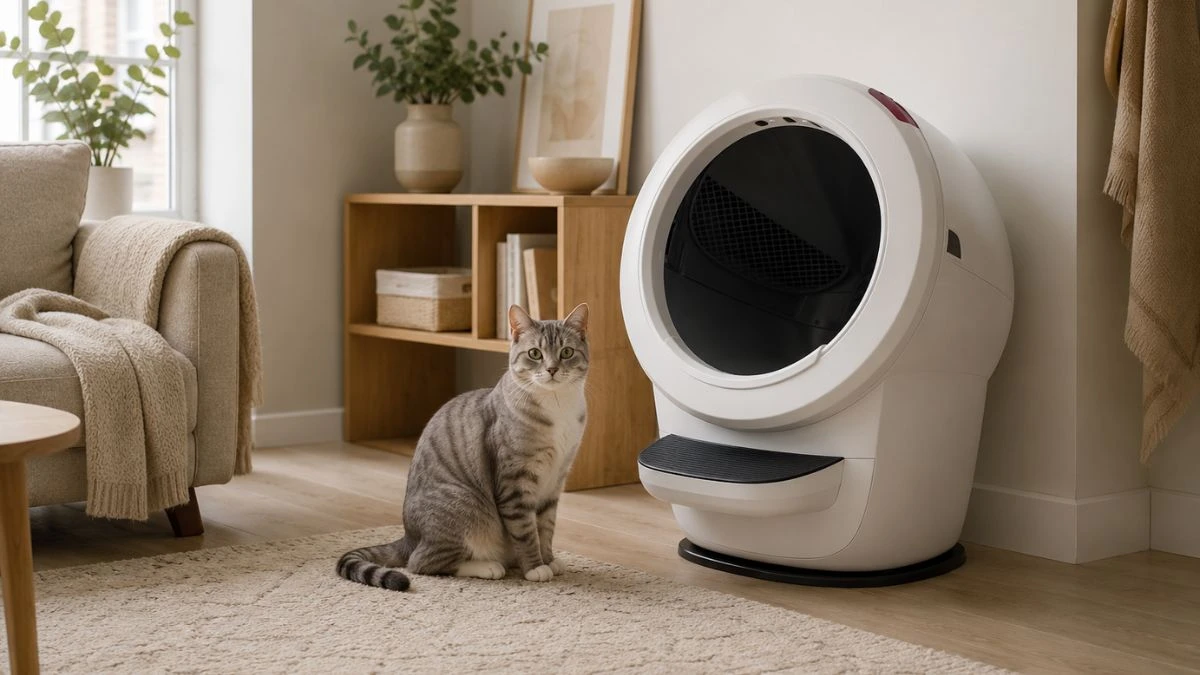
Think your self-cleaning system finally solved odor for your cats — or did it?
Ever brought home an automatic litter box expecting a cleaner, odor-free home — only to realize the smell never really disappeared?
You’re not alone.
Many self-cleaning litter boxes promise hands-off convenience. But after weeks of daily use, some owners still deal with lingering odors, stuck clumps, noisy cleaning cycles, and waste drawers that fill faster than expected.
We focused on real-world performance instead of generic specifications — testing how each model handled odor control, clumping litter, sensor reliability, daily maintenance, and multi-cat use in real homes.
After weeks of testing in apartments, small homes, and multi-cat environments, some models clearly stood out for better odor control, quieter cleaning cycles, and easier long-term maintenance.
What Actually Matters Most
- Odor control depends heavily on waste drawer size, seal quality, and maintenance routine.
- Sensor reliability matters more than flashy app features.
- Some models handled multi-cat use far better than others during daily testing.
- The Whisker Litter-Robot 4 performed especially well for odor control and waste capacity.
- Choosing the wrong litter can quickly reduce cleaning performance and increase smells.
Why Your Home Needs a Reliable Automatic Litter Box
A reliable self-cleaning system changes daily life by removing waste before odors have time to spread through your home.
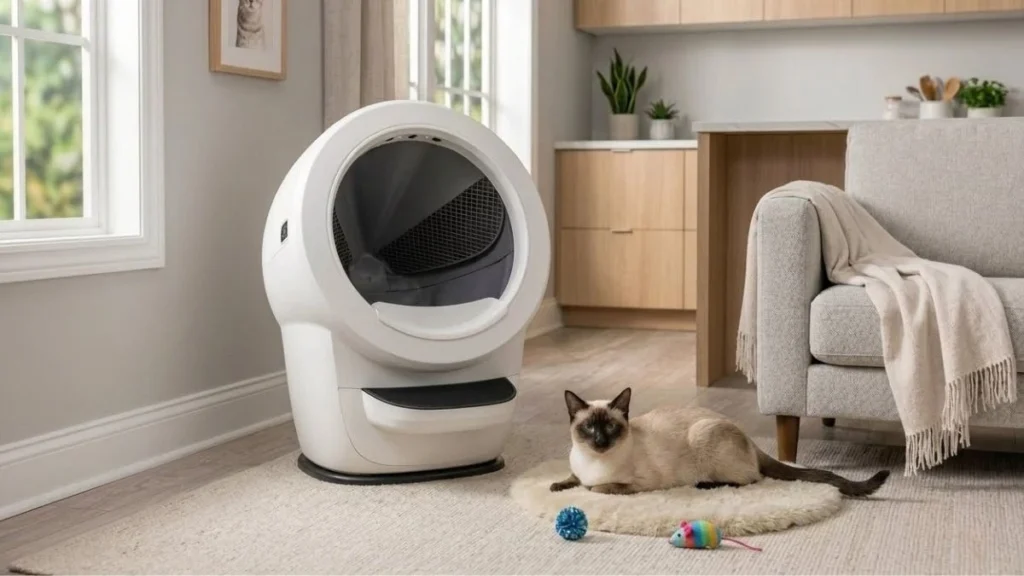
In apartments, space and odor control matter more than most owners expect. A compact automatic litter box with a tight waste seal helps maintain cleaner air and makes small spaces feel fresher throughout the day.
In small homes, appearance and daily cleanliness also become important. Some plastic interiors are easy to wash at first, but over time they can develop tiny grooves that trap odor, bacteria, and residue.
For multi-cat households, fast waste removal becomes a major advantage. Systems that clean consistently help reduce odor buildup and keep the litter area more comfortable for every cat in the home.
“Automating daily cleaning gives your cats a cleaner surface — and gives you back time every single week.”
One of the biggest differences we noticed during testing was how much maintenance quality affected long-term odor control. Some units stayed noticeably fresher after weeks of use, while others started trapping smells surprisingly fast.
- Reliable systems reduce daily scooping and help maintain a cleaner home.
- Higher-quality interiors resist odor absorption and buildup over time.
- The right model should match both your space and the number of cats you own.
- Consistent cleaning cycles matter far more than flashy extra features.
Understanding the Best Automatic Litter Box Options
When shopping for a self-cleaning litter box, real-world performance matters far more than flashy marketing features.
Some models look impressive online but struggle with odor control, noisy cleaning cycles, sensor problems, or daily maintenance after a few weeks of use.
The best systems consistently keep waste contained, reduce smells, and make everyday cleaning easier — especially in apartments and multi-cat homes.
Key Features to Look For
Odor control: Strong odor performance depends heavily on the waste drawer seal, airflow design, and how quickly waste gets removed after each visit. Models with weak seals tend to develop smells much faster over time.
Sensor reliability and noise: Reliable sensors prevent the cleaning cycle from starting too early while quieter motors help nervous cats adjust more comfortably to daily use.
Tracking and mess: Low-tracking entrances and spacious interiors help reduce scattered litter around the unit. During testing, larger openings also helped cats feel less confined and more willing to use the box consistently.
One thing we noticed quickly was that cleaning consistency mattered more than extra smart features. Some premium models had excellent apps but still struggled with odor buildup after heavy daily use.
Understanding Your Space
Before buying any automatic litter box, make sure the footprint actually fits your home.
Some premium systems are much larger than they appear in product photos and can overwhelm smaller apartments or tight laundry spaces.
An app can help monitor waste levels, cleaning cycles, and cat activity remotely — but practical details like drawer access, cleaning convenience, and noise levels often matter more in everyday use.
- Choose an entrance style your cat can comfortably use.
- Prioritize reliable sensors over unnecessary app features.
- Match waste drawer size to the number of cats in your home.
- Consider where the cleaning cycle noise will be least disruptive.
Real-World Performance in Small Apartments
Testing these automatic litter boxes in small apartments quickly revealed something many owners discover too late:
Size matters just as much as odor control.
Some units looked compact in product photos but felt surprisingly large once placed inside a real apartment or laundry area.
The Litter-Robot 4, for example, delivered excellent odor control during testing — but its wider footprint could easily dominate a smaller studio or bathroom space.
Meanwhile, slimmer models saved floor space but sometimes sacrificed waste capacity, odor sealing, or interior comfort for larger cats.
After weeks of daily use, we also noticed that consistent cleaning cycles made a major difference in how fresh small homes actually felt. Models with weaker seals or inconsistent waste removal started developing lingering odors much faster.
Designs that reduced tracking and step-off mess performed especially well in multi-cat environments. Cats also seemed more comfortable using units with roomy interiors where they could fully turn around without feeling cramped.
Advanced app-connected systems provided useful alerts for waste levels, activity tracking, and weight monitoring. In smaller homes, those notifications helped reduce unnecessary checking throughout the day.
Placement also mattered more than expected.
Putting the unit too close to living areas made cleaning cycle noise much more noticeable — especially overnight in smaller apartments.
| Environment | Key Concern | What Actually Helped Most |
|---|---|---|
| Small apartment | Odor and limited space | Compact footprint with strong waste sealing |
| Small home | Tracking and visible mess | Low-tracking entrances and easier cleaning access |
| Multi-cat household | Capacity and reliability | Consistent cleaning cycles and larger waste drawers |
Managing Odor Control in Multi-Cat Households
Managing odor in a multi-cat home is where many automatic litter boxes either perform well — or completely fall apart.
What worked for one cat often became much harder under heavier daily use. Waste drawers filled faster, odors built up more aggressively, and weaker cleaning systems struggled to keep up with constant traffic.
One of the biggest differences we noticed during testing was how much waste capacity and cleaning consistency affected long-term odor control.
Smaller waste drawers required frequent emptying and started developing smells surprisingly fast in busy households. Models with larger sealed compartments handled daily use much better and kept rooms fresher between cleanings.
Strategies for Multiple Cats
- Pick a unit with a high-capacity waste drawer to handle frequent daily use.
- Keep a consistent cleaning schedule to prevent odor buildup before it spreads.
- Choose designs that reduce tracking and litter scatter around the entrance area.
- Prioritize quiet motors and reliable sensors, especially in homes with nervous or shy cats.
- Wipe the interior regularly to maintain odor seals and prevent residue buildup over time.
- Monitor waste drawer levels closely during heavy multi-cat use.
Even the best automatic litter box still depends on regular maintenance.
The models that stayed freshest during testing were not always the most expensive — they were the ones that maintained consistent cleaning cycles without frequent jams or overflowing drawers
Evaluating the Whisker Litter-Robot 4 Performance
During testing, the Whisker Litter-Robot 4 consistently stood out for its strong odor control, quieter cleaning cycles, and larger waste capacity.
It was also one of the few models that continued performing well during heavier multi-cat use without requiring constant attention throughout the day.
Design and Size Considerations
Interior space: The larger opening and roomy interior made a noticeable difference for bigger cats. During testing, cats appeared more comfortable entering, turning around, and using the unit without hesitation.
Waste drawer capacity: The 10-liter waste drawer handled multiple daily deposits well and reduced how often the bin needed emptying. In smaller homes, that helped control odors more consistently between cleanings.
One downside, however, was the footprint.
The Litter-Robot 4 takes up more space than many owners expect, especially in apartments or tighter laundry areas.
App Integration Benefits
Remote tracking actually felt useful during daily use.
The app tracked cleaning cycles, waste drawer levels, and cat activity without requiring constant manual checking. Weight tracking and activity alerts also added another layer of convenience for owners monitoring long-term habits.
Unlike some app-connected models, notifications generally felt practical instead of overwhelming.
Noise Levels
One of the biggest surprises during testing was how quiet the Litter-Robot 4 remained during normal operation.
The softer cleaning cycle made it easier to place near living areas without becoming constantly distracting — especially compared to louder rake-style systems.
Safety and sensor performance also remained reliable throughout testing. The system consistently paused cycling when motion was detected, helping prevent accidental interruptions while maintaining smooth operation.
- Use high-quality clumping litter for the best cleaning performance.
- Expect a larger footprint, but stronger long-term odor control.
- Performs especially well in multi-cat households with heavier daily use.
Why Stainless Steel Models Offer Superior Hygiene
One thing that became very noticeable during testing was how differently stainless steel handled odor buildup and long-term cleanliness compared to plastic interiors.
Plastic surfaces often looked clean at first but slowly developed tiny scratches and grooves where odor, residue, and bacteria started building up over time.
Stainless steel resisted that buildup much better.
The smoother surface was easier to rinse, easier to wipe down, and far less likely to trap lingering smells after repeated daily use.
The WoofiGo Stainless Steel Cat Litter Box, for example, stayed noticeably fresher after cleaning and required less scrubbing compared to several plastic models tested alongside it.
Stainless steel models are usually heavier, but that extra weight also helped reduce movement and sliding during use.
For owners focused on long-term hygiene, odor control, and easier maintenance, stainless steel became one of the most practical upgrades we tested.
| Feature | Stainless Steel | Plastic Interiors |
|---|---|---|
| Odor absorption | Minimal over time | Often increases with daily use |
| Surface wear | Resists scratches and buildup | Small grooves trap residue |
| Cleaning effort | Faster rinsing and wiping | Requires deeper scrubbing |
| Long-term durability | More resistant to wear | May absorb odors over time |
| Daily maintenance | Easier to keep fresh | More buildup after repeated use |
The Reality of Daily Maintenance and Waste Drawers
No matter how advanced an automatic litter box looks, the waste drawer is where long-term performance is either maintained — or where problems slowly begin.
During testing, this became one of the biggest differences between models that actually stayed fresh and models that quickly became frustrating to live with.
Managing Waste Drawer Capacity
Capacity matters more than most owners expect.
Even larger waste drawers filled surprisingly fast in busy multi-cat homes. Once the drawer became too full, odors escaped more easily, cleaning cycles became less effective, and the entire area started smelling noticeably worse.
Some models handled heavy daily use extremely well. Others required constant emptying just to keep odors under control.
One thing we noticed quickly was that owners who delayed emptying the drawer often blamed the machine itself — when the real issue was simple maintenance buildup over time.
The Whisker Litter-Robot 4, for example, handled waste capacity better than most models tested and consistently sent reliable alerts before the drawer became overloaded.
- Match waste drawer size to the number of cats in your home.
- Use litter that forms tight, consistent clumps to reduce residue buildup inside the system.
- Wipe the drawer and interior regularly to prevent long-term odor buildup.
- Keep the drawer fully seated so sensors can run cleaning cycles correctly.
- Watch for changes in noise, tracking, or slower cleaning cycles, which often signal buildup problems.
After weeks of testing, one pattern became very clear:
Even premium automatic litter boxes still require consistent maintenance to control odor properly.
The best systems reduced daily work dramatically — but none completely eliminated the need for regular cleaning and waste management.
Assessing Sensor Reliability and Safety Features

Reliable sensors are one of the biggest differences between an automatic litter box that feels convenient — and one that quickly becomes frustrating.
During testing, sensor performance affected everything from cleaning consistency to odor control and overall daily reliability.
Most modern self-cleaning systems use weight, motion, or infrared sensors to detect when a cat enters or leaves the unit. Once the cat exits, the system waits before starting the cleaning cycle.
When sensors worked properly, the experience felt smooth, quiet, and almost effortless.
When they didn’t, problems appeared quickly.
Some weaker systems triggered false stops, delayed cleaning cycles, or inconsistent motion detection after dust and litter buildup started affecting the sensors.
One thing we noticed repeatedly was that dirty sensors caused far more issues than many owners realized.
Even premium models started behaving unpredictably when dust, litter residue, and debris accumulated around sensor areas for too long.
The best-performing systems used multiple safety sensors and responded immediately whenever a cat re-entered during a cycle. That added an important layer of safety while helping maintain consistent cleaning performance over time.
App-connected systems also helped monitor sensor behavior by sending alerts when the unit detected interruptions or unusual activity.
- Keep sensors clean and dust-free to maintain reliable performance.
- Check for litter buildup around sensor areas regularly.
- Watch for repeated cycle interruptions or delayed rotations.
- Models with multiple safety sensors generally performed more reliably during testing.
- Reliable sensor systems reduced both maintenance problems and long-term odor buildup.
After weeks of testing, one thing became very clear:
Sensor reliability affected far more than safety alone — it directly impacted odor control, maintenance needs, and long-term performance.
How Litter Types Impact Your Cleaning Cycle
One of the biggest surprises during testing was how dramatically the wrong litter type affected overall cleaning performance.
Some automatic litter boxes worked smoothly for weeks with the correct litter — then suddenly developed sticky clumps, stronger odors, sensor problems, excess tracking, and failed cleaning cycles after switching materials.
The type of litter you use directly impacts odor control, waste separation, cleaning consistency, and long-term maintenance inside the system.
Clumping Clay vs Crystal Litter
For most automatic litter boxes, clumping clay litter delivered the most reliable results during testing.
It formed tighter, cleaner clumps that rotating and sifting systems could remove more efficiently, helping reduce residue buildup and maintain better long-term freshness.
Crystal litter absorbed moisture well and helped reduce odors in some tray-style systems, but performance varied depending on the design. In several automatic units, crystals struggled to move smoothly through cleaning mechanisms built for traditional clumping litter.
One thing became extremely clear during testing:
Using incompatible litter often caused more performance issues than the machine itself.
Avoiding Mechanical Clogs
Regular non-clumping litter caused the most problems overall.
It frequently led to mechanical clogs, sticky residue, failed rotations, extra manual cleaning, and worsening odors inside the unit.
- Avoid non-clumping litter in rotating or sifting systems.
- Watch for large granules that can block entrances or sifting paths.
- Maintain the correct litter depth to help the cleaning cycle operate properly.
- Follow manufacturer recommendations to protect sensors, motors, and moving parts.
- The best-performing systems consistently used tight-clumping, low-dust litter during testing.
After weeks of daily use, litter quality proved to be one of the biggest factors affecting odor control, maintenance needs, cleaning reliability, and long-term performance.
Common Owner Frustrations and Hidden Issues
At first, many automatic litter boxes feel incredibly convenient.
But after weeks of daily use, small frustrations start becoming much more noticeable — especially in busy homes with multiple cats.
Some systems that initially seemed impressive slowly developed stronger odors, sticky buildup, louder cleaning cycles, unreliable alerts, or extra maintenance needs that product pages rarely mention.
False Alerts Become More Common Over Time
One of the most repeated issues during testing involved false “drawer full” notifications.
In many cases, the waste drawer still had space remaining. Dust buildup, litter residue, or slight drawer misalignment often caused sensors to behave inconsistently after prolonged use.
Higher-end models generally recovered faster after recalibration, while cheaper systems tended to develop recurring alert problems over time.
Hidden Maintenance Adds Up Quickly
One thing many owners underestimate is how much manual maintenance still happens behind the scenes.
Even self-cleaning systems occasionally needed wiping, scraping, or extra cleaning around chamber walls, sensor areas, and waste compartments to prevent buildup from affecting performance.
Over time, small amounts of residue started impacting odor control, cleaning reliability, and sensor accuracy more than expected.
App-connected models introduced additional frustrations in some homes.
Weak Wi-Fi connections, delayed notifications, or firmware updates occasionally interrupted app features and required troubleshooting before everything worked normally again.
- Some cleaning cycles became much louder than expected, especially at night.
- Lower-quality systems struggled more with odor buildup and sticky residue over time.
- Dust accumulation around sensors caused repeated interruptions in several models tested.
- Proprietary liners, filters, and accessories created higher long-term costs than many owners anticipated.
- Long-term reliability varied dramatically between premium and budget systems.
Long-term testing revealed frustrations that rarely appear during the first few days of use.
Automatic litter boxes dramatically reduce daily scooping — but they still require regular attention to stay clean, quiet, and odor-free long term.
| Issue | Common Cause | What Usually Helped |
|---|---|---|
| False full alerts | Dust buildup or misaligned drawer | Sensor reset and drawer adjustment |
| Sticky waste buildup | Low-quality litter or delayed cleaning | Manual wiping and fresh litter |
| App connection issues | Weak Wi-Fi or firmware problems | Reconnect app and update software |
| Strong lingering odors | Overfilled waste drawer | More frequent emptying and cleaning |
| Interrupted cleaning cycles | Dirty sensors or debris buildup | Cleaning sensor areas regularly |
Comparing Budget Picks Against Premium Systems
At first glance, cheaper automatic litter boxes can seem like the smarter deal.
But during long-term testing, the difference between budget systems and premium models became much more noticeable than the initial price tag alone.
Lower-cost models handled basic cleaning reasonably well at first, but many struggled with odor control, waste capacity, sensor consistency, and long-term durability after heavier daily use.
Premium systems, on the other hand, generally provided a smoother day-to-day experience with fewer interruptions, larger waste drawers, quieter cleaning cycles, and better odor containment.
Value vs Long-Term Performance
One of the biggest differences was how much daily attention each system required.
Budget models often needed more frequent emptying, extra wiping, and manual intervention to stay clean and odor-free over time.
Premium models reduced much more of that daily workload — especially in apartments and multi-cat households where cleaning demands increased quickly.
The Litter-Robot 4, for example, consistently handled heavier daily use with fewer odor problems and less manual maintenance compared to lower-cost systems tested alongside it.
That doesn’t mean expensive models are perfect.
However, they usually maintained better long-term consistency, stronger odor control, and fewer frustrating interruptions after weeks of continuous use.
| Feature | Budget Models | Premium Systems |
|---|---|---|
| Upfront price | Lower initial cost | Higher investment |
| Odor control | Less consistent over time | Better sealed waste systems |
| Cleaning effort | More manual maintenance | More automated daily cleaning |
| Waste capacity | Smaller drawers fill faster | Larger capacity for multi-cat use |
| Noise levels | Often louder during cycles | Usually quieter and smoother |
| Long-term durability | More wear over time | Better long-term reliability |
| Best for | Occasional or light use | Busy homes and multi-cat households |
Ultimately, the best choice depends on your budget, home size, number of cats, and tolerance for daily maintenance.
During testing, premium systems consistently delivered a more convenientlong-term experience — especially for owners prioritizing odor control and lower daily upkeep.
Tips for Successful Cat Acclimation

One thing we noticed during testing is that even the best automatic litter box can fail if a cat never feels comfortable using it.
Some cats adapted almost immediately, while others needed several days — or even weeks — before trusting the new system completely.
The biggest mistake owners made was trying to force the transition too quickly.
Let Curiosity Lead the Process
Place the new automatic litter box near your cat’s current box and allow them to explore it naturally at their own pace.
Cats tend to adjust much better when the new system feels familiar instead of sudden or intimidating.
Keeping the old litter box available during the transition also helped reduce stress, anxiety, and accidents during early testing.
Noise Is Often the Biggest Challenge
For shy or sensitive cats, the sound of the cleaning cycle was sometimes more intimidating than the box itself.
Turning the automatic cycle off for the first few days helped many cats build confidence before hearing movement, vibration, or motor noise regularly.
Using the same clumping litter texture and scent your cat already prefers also made adaptation much smoother.
- Let your cat explore the unit naturally without forcing interaction.
- Keep the previous litter box available during the adjustment period.
- Use familiar litter texture and scent whenever possible.
- Delay automatic cleaning cycles for several days during the transition.
- Reward curiosity and successful use with treats or praise.
- Avoid overreacting to minor behavior changes during the first week.
One pattern became very clear during testing:
Cats adjusted much faster when the environment stayed calm, familiar, and predictable.
| Step | Why It Helped | Recommended Timing |
|---|---|---|
| Place near old litter box | Familiar location reduces stress | Immediately |
| Use familiar litter | Maintains scent and texture comfort | First week |
| Delay automatic cycles | Reduces fear from movement and noise | 3–7 days |
| Reward positive behavior | Builds trust with the new system | During adjustment |
| Keep routines consistent | Helps reduce anxiety | First several weeks |
Deep Cleaning Strategies for Long-Term Use
One of the biggest differences between automatic litter boxes that stayed fresh long term and those that developed persistent odors came down to one thing:
Regular deep cleaning.
Even the best self-cleaning systems slowly collect dust, litter residue, bacteria, and trapped waste inside areas that daily cleaning cycles cannot fully reach.
During testing, models that looked clean on the surface sometimes hid buildup around sensors, internal tracks, waste drawers, and rotating mechanisms after several weeks of continuous use.
Why Deep Cleaning Matters
A full deep cleaning every 1–3 months helped maintain better odor control, smoother cleaning cycles, and more reliable sensor performance over time.
Taking the system apart also made it much easier to remove hidden residue that eventually caused strong smells, sticky buildup, and mechanical problems in heavily used units.
One thing we noticed repeatedly was that moisture caused more issues than many owners expected.
After rinsing the unit, all components needed to dry completely before reassembly to avoid mold growth, sensor problems, or electronic damage.
Areas Owners Often Forget to Clean
- Waste drawers and inner corners where residue slowly accumulates.
- Sensor areas affected by dust and litter buildup.
- Internal tracks and rotating parts that collect debris over time.
- Entry ramps and step areas where tracking becomes more noticeable.
- Seals and moving components that affect long-term odor control.
For homes with heavier daily use, deep cleaning became even more important because buildup developed much faster over time.
This became especially noticeable in homes with heavier daily litter box use.
Automatic litter boxes stayed fresher, quieter, and more reliable when owners treated deep cleaning as part of the routine — not just an emergency fix after odors appeared.
Why Some Automatic Systems Fail to Impress
At first, many automatic litter boxes sound like the perfect solution:
Less scooping, fewer odors, and almost no daily effort.
But during long-term testing, some systems created more maintenance, more frustration, and more hidden costs than owners expected.
Hidden Costs Add Up Quickly
One of the biggest disappointments involved systems that depended on proprietary trays, special crystal litter, replacement filters, or expensive accessories just to function properly long term.
At first, the lower upfront price looked attractive.
Over time, however, the ongoing costs often became much higher than expected — especially in homes with multiple cats and heavier daily use.
Weak Performance Becomes Obvious Over Time
Mechanical reliability mattered far more than flashy features during testing.
Some units looked modern and impressive but struggled with sensor failures, jammed cleaning cycles, weaker odor control, and frequent resets after several weeks of continuous use.
Once problems started appearing regularly, the “hands-free” experience disappeared quickly.
Odor control also separated the best systems from the worst.
Models with weak seals, smaller waste drawers, or inconsistent cleaning cycles allowed smells to spread much faster throughout the home.
Several lower-performing units also required constant scraping, unclogging, or manual adjustments just to keep functioning normally.
- Proprietary supplies often created higher long-term ownership costs.
- Weak sensors and unreliable cleaning cycles increased daily maintenance.
- Smaller waste drawers filled quickly and allowed odors to escape faster.
- Lower durability often led to more frustration after prolonged use.
- The best-performing systems consistently required fewer manual interventions over time.
One thing became extremely clear during testing:
The best automatic litter boxes were not necessarily the ones with the most features — they were the ones that stayed reliable, quiet, and easy to maintain after months of daily use.
Future Trends in Automated Waste Management
Automatic litter boxes are quickly evolving from simple cleaning devices into smart health and home-management systems.
After researching newer systems, a clear trend started emerging across the industry.
Future models will focus just as much on health tracking and convenience as basic waste removal.
Smarter Health Monitoring
Newer systems are beginning to use AI-powered tracking, weight monitoring, and activity analysis to identify subtle changes in a cat’s daily habits.
That data can help owners notice unusual bathroom behavior, weight fluctuations, or reduced litter box visits earlier than they normally would.
Some advanced systems are already moving toward individual cat recognition in multi-cat homes, allowing owners to monitor each pet separately through app-connected dashboards.
Better Odor Control Technology
Odor management is also improving rapidly.
Manufacturers are investing in activated carbon filtration, improved airflow systems, sealed waste drawers, and targeted odor-neutralizing technology to keep homes fresher for longer periods between cleanings.
Several newer designs are also prioritizing quieter motors and smoother cleaning cycles, especially for apartments and smaller homes where noise becomes more noticeable.
Easier Maintenance and Smarter Integration
Another major shift involves making systems easier to maintain long term.
Future models are increasingly designed with modular components, easier part replacement, and simplified deep cleaning access to reduce maintenance frustrations over time.
App integration is also becoming far more advanced.
Owners can now monitor cleaning cycles, waste levels, sensor activity, and health-related patterns directly from their phones without constantly checking the unit manually.
- AI-powered cat identification will continue improving in multi-cat homes.
- Advanced filtration systems will improve long-term odor control.
- Modular designs will make repairs and maintenance much easier.
- Quieter cleaning cycles will improve comfort in smaller living spaces.
- Smart integrations will continue reducing daily monitoring and maintenance effort.
One thing seems very likely moving forward:
Automatic litter boxes are becoming less about simple convenience — and more about creating cleaner, healthier, and lower-maintenance homes for both cats and owners.
Conclusion
After weeks of testing, one thing became impossible to ignore:
The best automatic litter boxes were not simply the most expensive models — they were the ones that stayed reliable, quieter, easier to maintain, and consistently better at controlling odor over time.
Strong odor control depended on much more than marketing claims.
Features like waste drawer capacity, sensor reliability, litter compatibility, cleaning consistency, and long-term maintenance made the biggest difference in real homes.
For apartments and multi-cat households especially, choosing the right system dramatically reduced daily scooping, lingering smells, and constant cleanup throughout the week.
At the same time, testing also showed that no automatic litter box is completely maintenance-free.
Even premium systems still performed best when owners stayed consistent with drawer emptying, deep cleaning, and proper litter management over time.
If you focus on the right balance of odor control, reliability, noise levels, maintenance needs, and long-term durability, an automatic litter box can make daily life noticeably cleaner and easier for both you and your cats.
After weeks of testing, the long-term differences between these systems became impossible to ignore.
The right automatic litter box does not just save time — it creates a fresher, lower-maintenance home that feels far more comfortable every single day.
Automatic Litter Box Questions
What is the best automatic litter box for odor control?
The best automatic litter boxes for odor control use sealed waste drawers, reliable cleaning cycles, and strong odor containment systems. During testing, larger waste capacity and consistent waste removal made the biggest difference in keeping homes smelling fresh over time.
Do automatic litter boxes really reduce smells?
Yes — but only when used correctly. Automatic litter boxes reduce odors by removing waste quickly before smells spread through the room. However, drawer maintenance, litter quality, and cleaning consistency still play a major role in long-term odor control.
Which litter works best in automatic litter boxes?
Most automatic litter boxes perform best with tight-clumping, low-dust clay litter. During testing, the wrong litter often caused sticky buildup, sensor problems, failed cleaning cycles, and stronger odors over time.
Are automatic litter boxes good for multiple cats?
Yes, many premium models work extremely well in multi-cat households, especially systems with larger waste drawers and reliable cleaning cycles. However, homes with multiple cats usually require more frequent drawer emptying and regular maintenance to prevent odor buildup.
How often should you empty an automatic litter box?
For one cat, most waste drawers lasted around 3–7 days during testing. In multi-cat homes, drawers filled much faster and often needed emptying every 1–3 days to maintain strong odor control and cleaning performance.
Are automatic litter boxes noisy at night?
Noise levels vary significantly between models. Some systems remained surprisingly quiet during testing, while others became disruptive in small apartments or overnight settings. Quieter motors and smoother cleaning cycles made a major difference in everyday comfort.
Are premium automatic litter boxes worth the extra money?
In many cases, yes. Premium models usually offered better odor control, quieter operation, larger waste capacity, stronger sensors, and fewer long-term frustrations compared to cheaper systems. During testing, they generally required less manual maintenance over time.